Let us be honest with you for a second. Publishing great content on your own site and waiting for the world to notice can feel a little like throwing a party and forgetting to send the invitations. You did the hard part. The room looks fantastic. And yet the door barely opens.
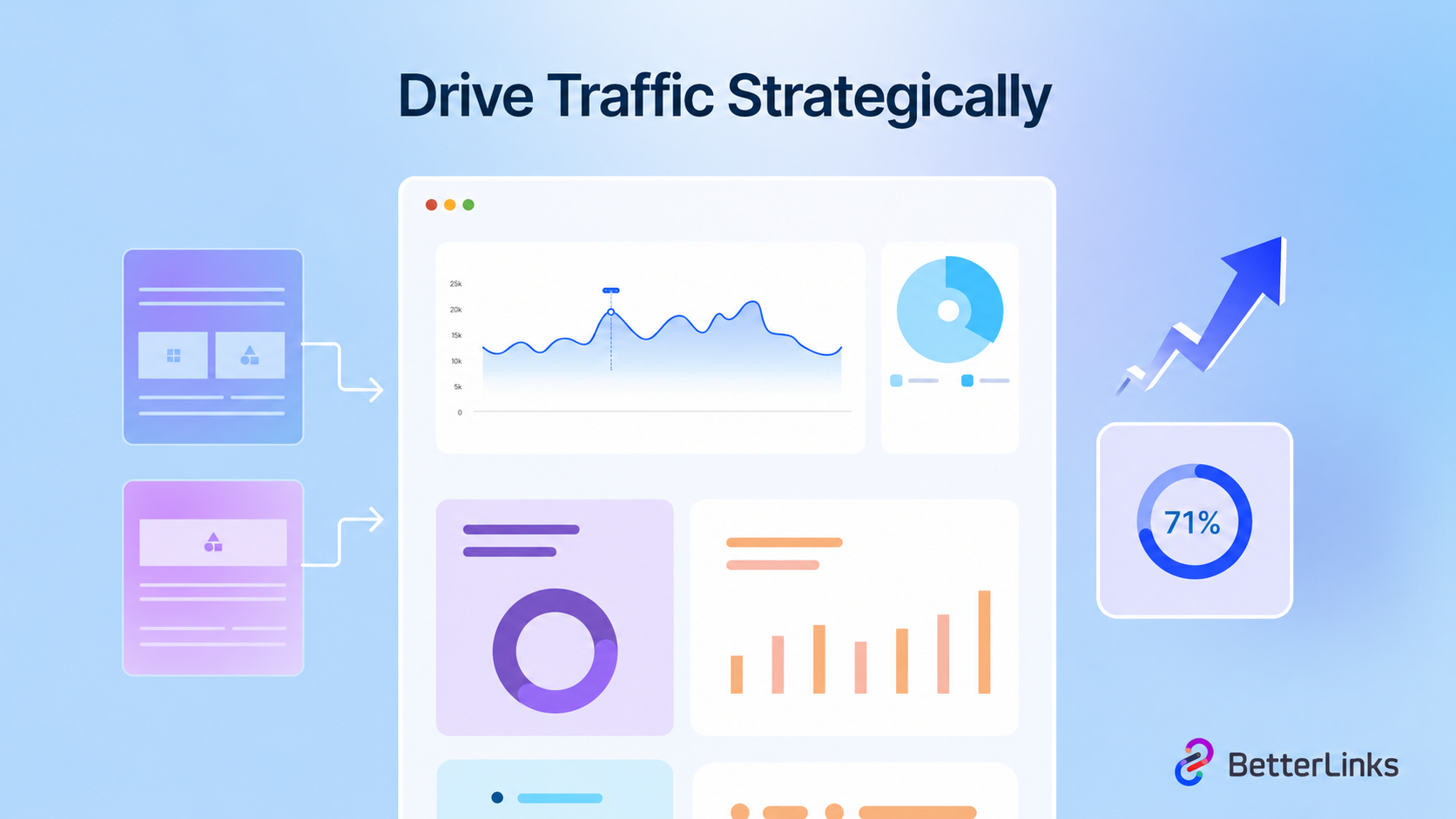
This is exactly where guest blogging to bring traffic earns its keep. When you publish on someone else’s established audience, you are not waiting for people to find you. You are walking into a room that is already full, being introduced by a host they already trust. Done well, it sends warm, qualified visitors straight to your website, builds your authority and earns the kind of editorial backlinks that search engines and answer engines quietly reward.
In this guide, we will walk you through the entire process the way we approach it ourselves at BetterLinks: how guest blogging works, why it still drives real referral traffic in 2026, how to find and pitch the right sites, how to write a post that actually converts readers and how to measure every single click so you know what is working.
| Quick answer: Guest blogging brings traffic to your website by placing your expertise in front of an established audience on a relevant, authoritative site. You contribute a valuable article, earn a contextual link back to your pages and turn that host’s readers into your own visitors, subscribers and customers. The traffic compounds over time through referral clicks, improved search rankings and growing brand recognition. |
Key Takeaways
- Guest blogging is still one of the most reliable ways to earn referral traffic and editorial backlinks at the same time.
- Relevance beats raw size. A niche-aligned blog with engaged readers outperforms a huge, unfocused one.
- Your author bio and in-content links are the actual traffic engine, so treat them with intent.
- Tracking matters. If you cannot measure clicks per placement, you are flying blind. We use branded, trackable links for every guest post.
- Guest posting also lifts your domain authority, which makes everything else you publish rank a little easier.
What Is Guest Blogging, Really?
Guest blogging, sometimes called guest posting, is the practice of writing and publishing an article on a website that you do not own. In exchange for the content, the host site typically lets you include a short author bio and one or more relevant links pointing back to your own website.
Think of it as a value swap. The host gets a fresh, expert article they did not have to write. You get exposure to their audience, a credibility boost from being featured on their platform, and a link that sends interested readers (and search crawlers) back to your corner of the internet. When both sides hold up their end, everybody wins.
Here is the mindset shift we want you to make early: guest blogging is not a link-grab. It is relationship marketing dressed up as content. The moment you treat it like a transaction, editors can smell it from a mile away. The moment you treat it like genuinely helping someone else’s readers, doors start opening.

Guest Blogging vs. Link Building: A Quick Clarification
People often use these terms interchangeably, and we get why. But they are not quite the same thing. Link building is the broad practice of acquiring backlinks from across the web. Guest blogging is one specific, white-hat method of doing that, with the bonus of also driving direct human traffic. If you have ever wondered whether link building is still relevant to SEO, guest posting is our favorite proof that the answer is a confident yes, as long as you do it for readers first.
Why Does Guest Blogging Still Bring Traffic in 2026?
We hear skepticism. “Isn’t guest blogging an old-school tactic? Doesn’t AI search make it pointless?” Fair questions. Here is our honest take: the tactic has not died, it has matured. The spammy version (mass-produced posts stuffed with exact-match anchors) is dead and buried, and good riddance. The thoughtful version is arguably more powerful than ever. Here is why.
1. Sends Qualified, Pre-Warmed Traffic
Search ads and cold social posts reach strangers. A guest post reaches people who are already reading about your exact topic, on a site they chose to visit, recommended implicitly by a publisher they trust. That visitor arrives curious rather than cautious. In our experience, this referral traffic tends to convert better than a lot of paid channels because the intent is already there.
2. Earns Editorial Backlinks That Lift Rankings
A contextual link from a respected site in your niche is one of the strongest trust signals in search. It tells Google, Bing and increasingly the AI answer engines that real publishers vouch for you. Over time, those links raise your domain authority and help your own pages climb. If you want to keep your link profile clean and natural while you do this, run a periodic backlink audit so nothing toxic sneaks in.
3. Builds Brand Authority And Recognition
There is a quiet compounding effect to seeing your name in bylines across the publications your audience already reads. The third or fourth time someone sees “by [you] of [your brand],” you stop being a stranger and start being a familiar expert. That recognition makes your own content easier to trust later, and it makes your branded searches go up.
4. Feeds Answer Engines And AI Overviews
This is the part most guides miss. Large language models and AI search experiences are trained and grounded on content published across authoritative sites. When your expertise appears, attributed, on trusted domains, you increase the chances of being cited or summarized in AI answers. If that idea is new to you, our guide on how to optimize content for answer engines pairs perfectly with a guest-posting strategy.
| Our Perspective: Guest blogging is no longer just an SEO tactic. It is a distribution channel that simultaneously serves human readers, search engines, and AI answer engines. Few other activities pull all three levers at once, which is why we keep coming back to it. |
How to Use Guest Blogging to Bring Traffic: The Step-by-Step Process
Alright, theory is nice, but you came here for a process. Here is the exact framework we follow. Work through it in order and resist the urge to skip the research steps, because that is where most people quietly sabotage themselves.
Step 1: Define What “Traffic” Actually Means for You
Before you pitch anyone, get clear on your goal. ‘More traffic’ is too vague to act on. Are you after raw visits, email signups, demo requests or sales? Your answer shapes every later decision, from which sites you target to how you write your bio and where you point your links. We always start a campaign by writing down a single primary metric and a single landing destination.
Step 2: Find Relevant, Traffic-Rich Sites
Relevance is the whole game. A guest post on a site your audience does not read is a beautiful billboard in an empty desert. Look for blogs that share your topic, attract real engagement (comments, shares, active social profiles) and accept contributors. A few ways we hunt for prospects:
- Search operators like “your topic + write for us,” “your topic + guest post guidelines,” or “your topic + contribute.”
- Reverse-engineer competitors. See where your peers have guest-posted and add those sites to your list.
- Follow the bylines of writers you respect in your niche and note where they publish.
- Check a prospect’s authority and ownership with a quick domain lookup, so you know you are pitching a legitimate, established site.
| Note: Do not chase domain authority numbers alone. A DA 90 site with a disengaged audience will send you fewer real visitors than a DA 45 niche blog whose readers hang on every word. Engaged relevance beats vanity metrics every time. |
Step 3: Build a Genuine Relationship Before You Pitch
Cold pitches work occasionally. Warm pitches work far more often. Before you ask for anything, spend a week or two being a real member of the community. Leave thoughtful comments. Share their posts and tag them. Reply to their newsletter. Editors notice familiar names, and familiarity quietly moves your pitch from the ‘maybe’ pile to the ‘yes’ pile.
Step 4: Pitch Like a Human, Not a Template
Your pitch should be short, specific and obviously written for that one editor. Reference a recent post of theirs, propose two or three concrete headline ideas that fill a gap on their blog, and briefly note why you are credible on the topic. Skip the flattery avalanche. Editors are busy and respect for their time reads as professionalism.
A simple structure that has worked well for us:
- One line that proves you actually read their blog.
- Two or three tailored topic ideas with working titles.
- One or two sentences of credibility (who you are, where else you have written).
- A polite, low-pressure close that makes saying yes easy.
Step 5: Write a Post So Good They Would Have Paid For It
This is where traffic is truly won or lost. Your guest post has to be the best thing on that page, not a watered-down version of your real work saved for your own site. Match the host’s tone, follow their guidelines to the letter and deliver genuine value. Use clear subheadings, short paragraphs, examples, and a logical flow so both readers and answer engines can follow along. Sprinkle in semantically related terms naturally, the way our guide to LSI keywords and semantic SEO recommends, so the piece reads as topically complete.
Step 6: Place Your Links With Intent
Here is the traffic engine. Most guest posts allow one or two links: usually a natural in-content link where it genuinely helps the reader, plus a link in your author bio. Treat these like prime real estate.
- In-content link: Point it to a deeply relevant resource on your site, not just your homepage. Relevance increases click-through and keeps editors happy.
- Author bio link: Send it to a destination built to convert that specific audience, such as a tailored landing page or a high-value guide.
- Use Clear, Descriptive Anchor Text: Avoid stuffing exact-match keywords, which looks manipulative and can trigger problems.
If you are weighing how your links should look, our breakdown of branded vs. generic links explains why a clean, on-brand URL tends to earn more clicks and more trust than a raw, messy one.
Step 7: Track Every Click (This Is Non-Negotiable)
If you cannot measure it, you cannot improve it. We never publish a guest post without using a trackable, branded link so we know exactly how much traffic each placement sends. Plain URLs tell you nothing about which post performed, which audience clicked, or which topic resonated.
How We Track Guest Post Traffic with BetterLinks
Since we run BetterLinks, this is the part we get genuinely excited about, so forgive a little enthusiasm. The single biggest mistake we see is talented marketers landing a great guest post and then having no idea whether it actually worked. They guess. We measure.
Here is how we set up every guest placement before it goes live:
- Create a branded short link for each guest post so the URL looks clean and trustworthy, which lifts click-through. (If you want the full philosophy, see our ultimate guide to custom-branded links.)
- Attach UTM parameters automatically so every click flows neatly into your analytics, sorted by source, medium, and campaign. Our walkthrough on marketing attribution and UTM tracking shows exactly how we structure this.
- Use a unique link per publication so we can see, at a glance, which host site sends the most engaged visitors and deserves a follow-up pitch.
- Monitor performance over time and watch our links automatically so a broken or redirected guest-post link never quietly bleeds traffic.
And when a campaign scales up and you need dozens of tracked links without the manual grind, our Auto Post Link Generator spins up short, branded, trackable links at scale so you can spend your energy on the writing and the relationships instead of copy-pasting URLs. If you are managing links across a growing program, our definitive guide to link management ties the whole workflow together.
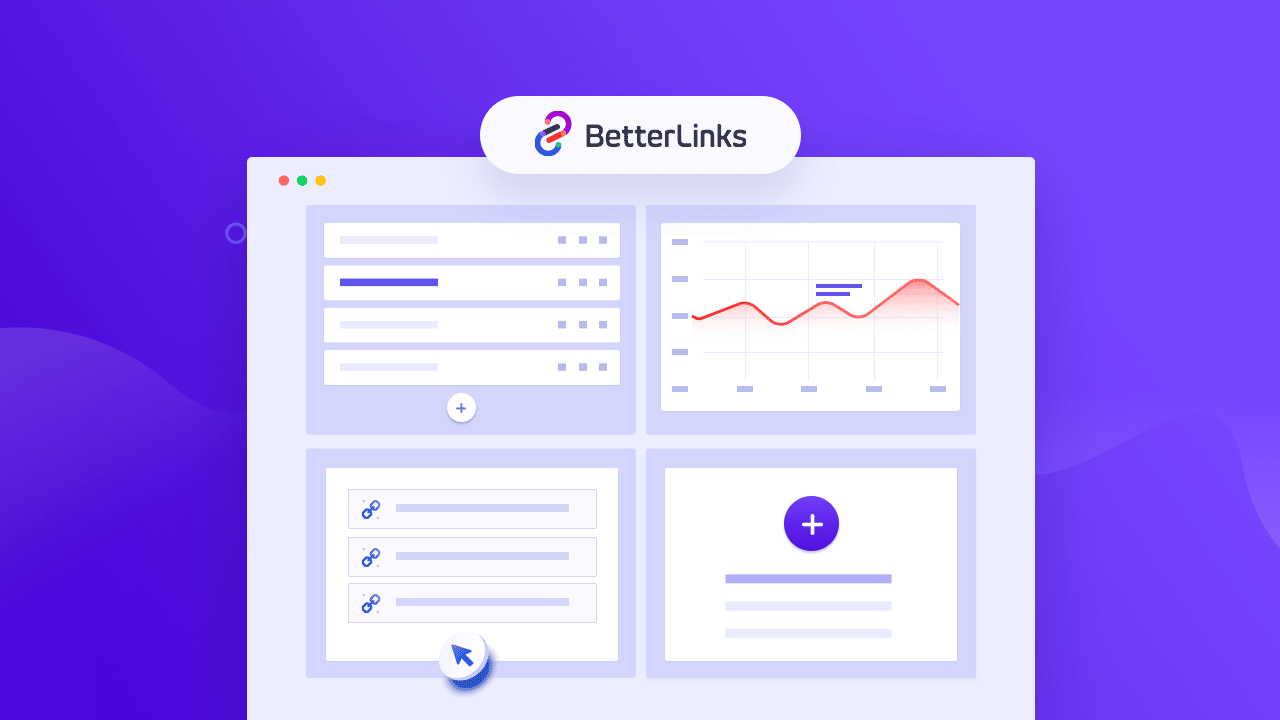
| Why this matters: A guest post you cannot measure is a guess. A guest post with a branded, UTM-tagged, trackable link is a data point you can repeat and scale. That difference is the entire reason BetterLinks exists. |
Guest Blogging vs. Other Traffic Channels
To put guest blogging in context, here is how we think about it next to other common channels. None of these is strictly better; they simply serve different goals.
| Channel | Traffic quality | Cost | SEO benefit |
|---|---|---|---|
| Guest blogging | High, pre-qualified | Time, not money | Strong |
| Paid ads | Variable, cold | High, ongoing | None |
| Social media | Broad, fleeting | Time + ads | Indirect |
| Own-site SEO | High, compounding | Time, slow | Strong |
The smart move is not to pick one. It is to let guest blogging feed your SEO and brand while you keep your own content engine running. They reinforce each other.
Common Guest Blogging Mistakes That Quietly Kill Your Traffic
We have made some of these ourselves over the years, so we say this with empathy rather than judgment. Avoid these and you are already ahead of most.
❌ Chasing Quantity Over Relevance
Twenty posts on random sites will lose to five posts on the right ones. Every time. Pick relevance.
❌ Saving Your Best Ideas for Yourself
Counterintuitive, but giving your best thinking to a guest post is what makes readers click through to find more. Hold back and the piece falls flat, and so does the traffic.
❌ Over-Optimized Anchor Text
Cramming exact-match keywords into your links looks spammy to editors and risky to search engines. Natural, descriptive anchors win. If you are curious how penalties happen, study what counts as manipulative linking before you ever push your luck.
❌ Pointing Every Link at Your Homepage
Your homepage rarely answers the specific curiosity a reader had when they clicked. Send them to a relevant, useful destination instead and watch your engagement improve.
❌ Publishing and Forgetting
The post goes live and then… nothing. No promotion, no tracking, no follow-up. Share your guest post with your own audience, reply to comments on the host site, and keep the relationship warm for next time.
How to Measure Whether Your Guest Blogging Is Working
If a particular site or topic consistently outperforms, do more of that. If something flops, you now have the data to stop pouring effort into it. That feedback loop, powered by proper tracking, is what turns guest blogging from a hopeful gamble into a repeatable growth channel.
Tie everything back to the goal you set in Step 1. These are the metrics we actually watch:
- Referral traffic per placement: clicks from each guest post, tracked through branded links and UTMs.
- Engagement quality: time on page, pages per session, and bounce rate for those referred visitors.
- Conversions: signups, leads, or sales attributed to each guest post.
- Backlink and authority gains: new referring domains and movement in your domain authority over a quarter.
- Search lift: ranking improvements on the pages your guest links point to.
Frequently Asked Questions
Does guest blogging still work for SEO and traffic in 2026?
How many guest posts should I publish per month?
Where should my guest post links point?
How do I track traffic from a guest post?
Is guest blogging the same as link building?
Can guest blogging hurt my website?
Final Thoughts: Your Guest Blogging Game Plan
Using guest blogging to bring traffic to your website is not about gaming an algorithm or collecting links like trophies. It is about showing up where your audience already gathers, offering them real value and making it effortless for the curious ones to follow you. The traffic is the natural reward for being generous and being seen in the right rooms.
So here is our gentle challenge to you. Pick one relevant, engaged blog this week. Build a little goodwill. Send one thoughtful pitch. Write the best post you possibly can. And whatever you do, wrap that placement in a branded, trackable link so you can prove what it earned. Do that consistently, measure honestly and repeat what works.
Ready to track every guest post like a pro? Explore how BetterLinks turns ordinary URLs into branded, trackable, traffic-driving links.