Links are the skeleton of your website. They hold your content together, guide your visitors from one page to the next and tell search engines which of your pages matter most. Yet despite their fundamental importance, link optimization is one of the most consistently neglected areas of SEO.
Most site owners add links reactively, a quick mention here, a related post there, without a deliberate strategy. The result is a tangled, inconsistent link structure that confuses crawlers, leaks link equity distribution, creates dead ends for users and leaves high-value pages starved of the authority they deserve.
This guide covers everything you need to know about how to optimize links on your website, from building a watertight internal linking strategy and mastering anchor text optimization to handling dofollow vs nofollow links, fixing broken links and running a full link audit SEO process. Whether you are working on a brand-new site or untangling years of link chaos, this is your complete playbook.
Why Link Optimization Matters More Than Ever in 2026
Search engines have grown dramatically more sophisticated in how they evaluate site structure. Google does not just crawl your pages. It maps the relationships between them using your link structure to determine which pages are most authoritative, which topics your site covers with depth and how trustworthy your content ecosystem is overall.
At the same time, AI-powered search tools like Google AI Overviews, ChatGPT and Perplexity are increasingly using site structure SEO signals (including link relationships) to understand content hierarchies and surface authoritative answers. A well-optimized link structure does not just help you rank in traditional search; it helps you get cited in AI-generated responses.
The stakes of getting this wrong are high:
| Issue | Impact |
| Orphan Pages (no internal links) | May never be crawled or indexed by search engines |
| Poor Link Equity Distribution | Important pages rank far below their potential |
| Broken Links | Damages UX, wastes crawl budget & destroys trust with visitors and search engines |
| Unoptimized Anchor Text | Leaves valuable keyword relevance signals on the table |
📊 Pages with more internal links pointing to them tend to rank higher in search results, according to Backlinko. Internal links are a direct proxy for page importance.
Understanding the Types of Links on Your Site
Before you can optimize your links, you need a clear picture of what you are working with. Not all links are created equal. They serve different purposes, pass authority differently and require different optimization strategies. There are three primary categories of links that affect your site’s SEO performance and understanding each one is the foundation of everything that follows in this guide.
Internal Links
Internal links are hyperlinks that connect one page of your website to another page within the same domain. They are the most directly controllable links on your site, entirely within your hands to add, edit, and optimize, which makes them one of the highest-leverage SEO activities available to any site owner.
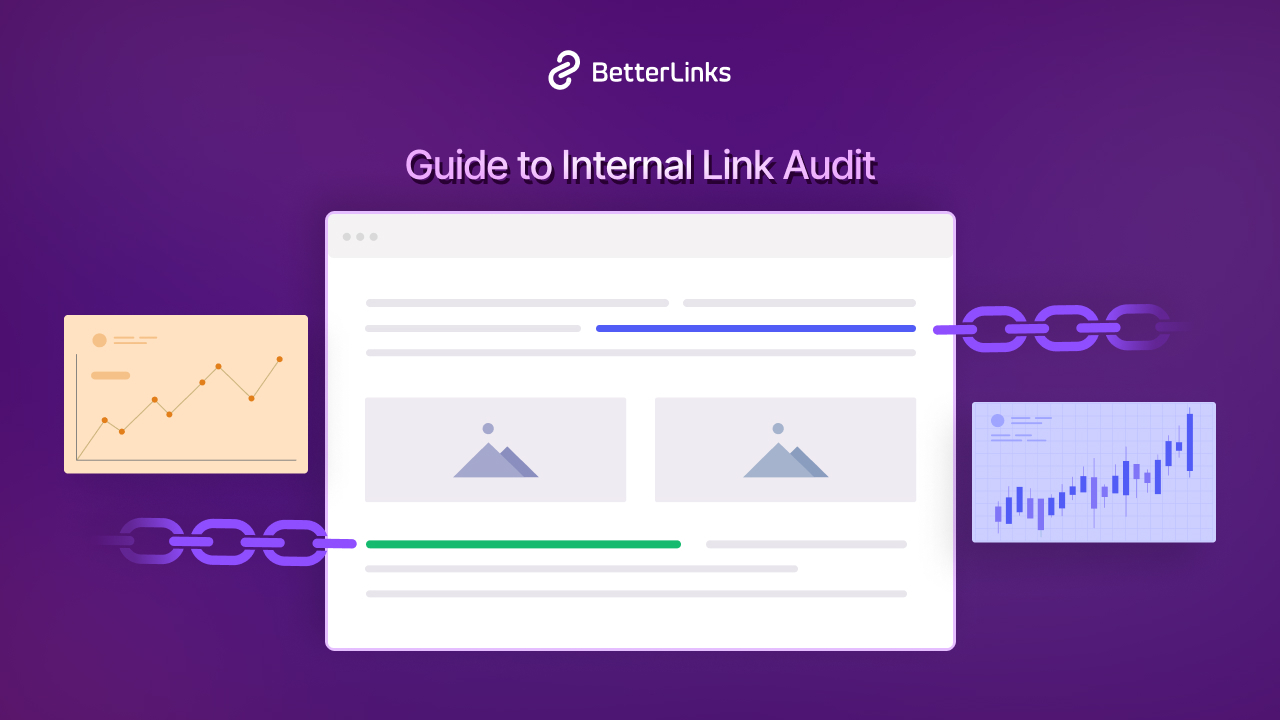
Internal links serve two equally important roles. For users, they create natural pathways through your content, guiding readers from one relevant topic to the next and keeping them engaged longer on your site. For search engines, they act as a map, telling crawlers which pages exist, how they relate to each other and which ones carry the most importance.
There are two types of internal links worth distinguishing:
i. Structural links appear in your site’s navigation elements: the main menu, footer, sidebar and breadcrumb trails. These are permanent, site-wide pathways that define your overall architecture and signal your most important pages by the sheer consistency of linking to them across every page.
ii. Contextual links appear within the body of your content, embedded naturally within paragraphs and sentences to connect related ideas. These are the most powerful internal links for SEO because they carry surrounding context. A search engine reading a paragraph about keyword research that links to your “keyword research guide” understands the relationship between those two pieces of content far more precisely than a footer link ever could.
External Links (Outbound Links)
External links, also called outbound links, are links on your site that point to pages on other domains. They are often overlooked in link optimization discussions because they do not directly bring visitors to your site, but they play a more important SEO role than most site owners realize.
Linking to authoritative, relevant external sources signals to both users and search engines that your content is well-researched, connected to the broader web of knowledge and editorially responsible. Google’s quality raters look for this as a marker of trustworthy content. A well-placed citation to an industry study, a government dataset, or a recognized expert publication adds credibility that no amount of internal self-referencing can replicate.
External links also require active management. The web is not static. Pages move, domains expire and sites degrade in quality over time. A link pointing to a reputable source today may point to a low-quality or irrelevant page a year from now. Left unmanaged, outbound links become a liability rather than an asset.
Backlinks (Inbound Links)
Backlinks are links from other websites pointing to your site. They are the one category of links you do not directly control, as they must be earned, which is precisely why Google has treated them as one of the most reliable signals of a page’s authority and trustworthiness since the earliest days of PageRank.
Every quality backlink is an external vote of confidence in your content. When an authoritative site in your industry links to one of your pages, it is telling both its own readers and search engine crawlers that your content is worth referencing. The more of these signals a page accumulates, especially from relevant, trusted sources, the more authority it is perceived to carry, and the better it tends to rank.
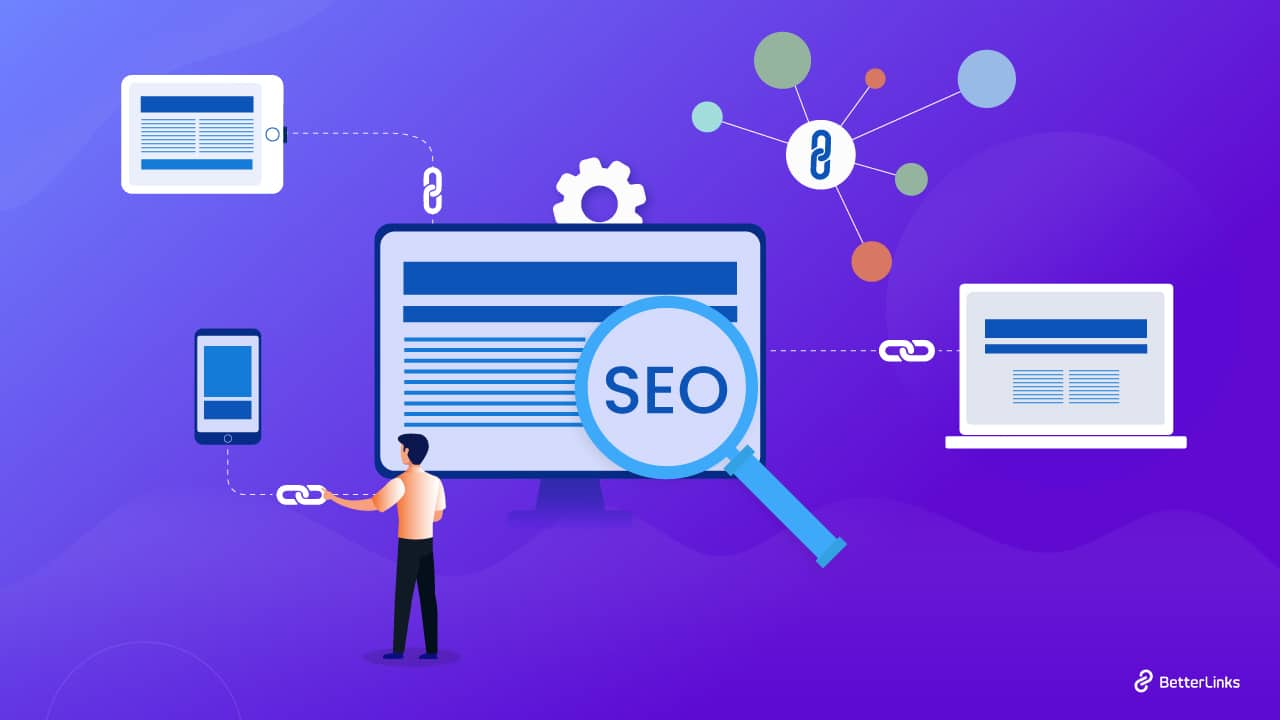
Not all backlinks are equal, however. A single link from a high-authority, topically relevant publication can deliver more SEO value than dozens of links from low-quality directories or unrelated sites. Quality consistently outweighs quantity, which is why a deliberate link building strategy focused on earning the right links matters far more than simply accumulating volume.
Internal Linking Strategy: Building Your Site’s Authority Network
A strong internal linking strategy is the single highest-leverage link optimization activity you can undertake. It costs nothing, can be implemented entirely within your own site, and directly improves both user experience and search engine performance.
The Pillar-Cluster Model
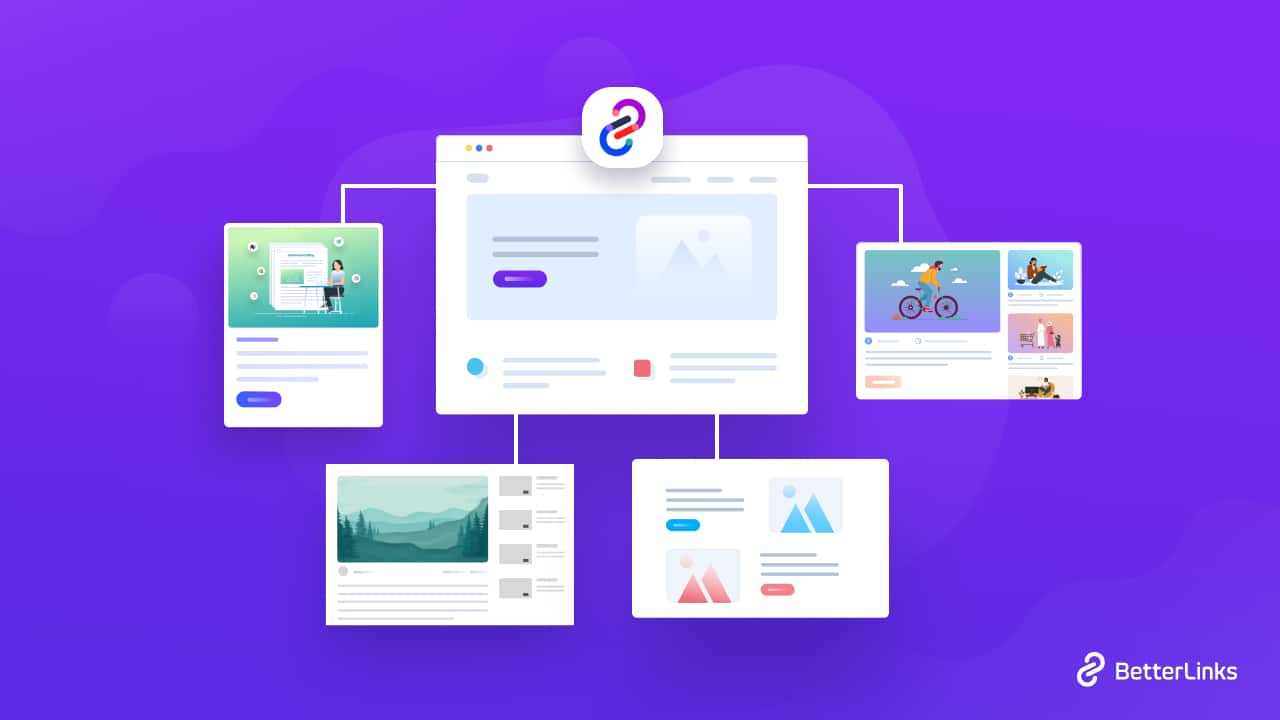
The pillar page strategy is the gold standard framework for internal linking SEO. It organizes your content into connected hubs:
- Pillar pages: comprehensive, authoritative guides on your core topics. These are your most important pages, they should rank for your highest-value keywords and earn the most internal links
- Cluster pages: supporting content that covers subtopics in depth, each linking back to the pillar page and cross-linking to other related cluster pages
- The linking architecture: every cluster page links to the pillar. The pillar links to all cluster pages. Cluster pages link to related clusters. This creates a web of relevance that reinforces your topic cluster SEO authority
📊 A marketplace software startup with a well-organized, contextually relevant internal linking strategy outperformed a competitor with similar authority scores by over 4x in monthly organic traffic. (Semrush)
How Many Internal Links Per Page?
There is no hard rule, but clear best-practice guidance exists:
- Internal linking SEO best practice: aim for 2–5 contextual links per 1,000 words of content
- Keep total page links (including navigation) under 100–150 to protect crawl budget optimization
- Every additional link you add dilutes the link equity passed through each existing link — quality and relevance matter more than quantity
Deep Linking: Link to Inner Pages, Not Just the Homepage
A common mistake is linking excessively to the homepage or top-level category pages. Deep linking (pointing internal links directly to specific, high-value inner pages) is what drives link equity distribution to the pages that need it most, including newer posts, conversion pages and cornerstone content that has not yet built external authority.
Fixing Orphan Pages
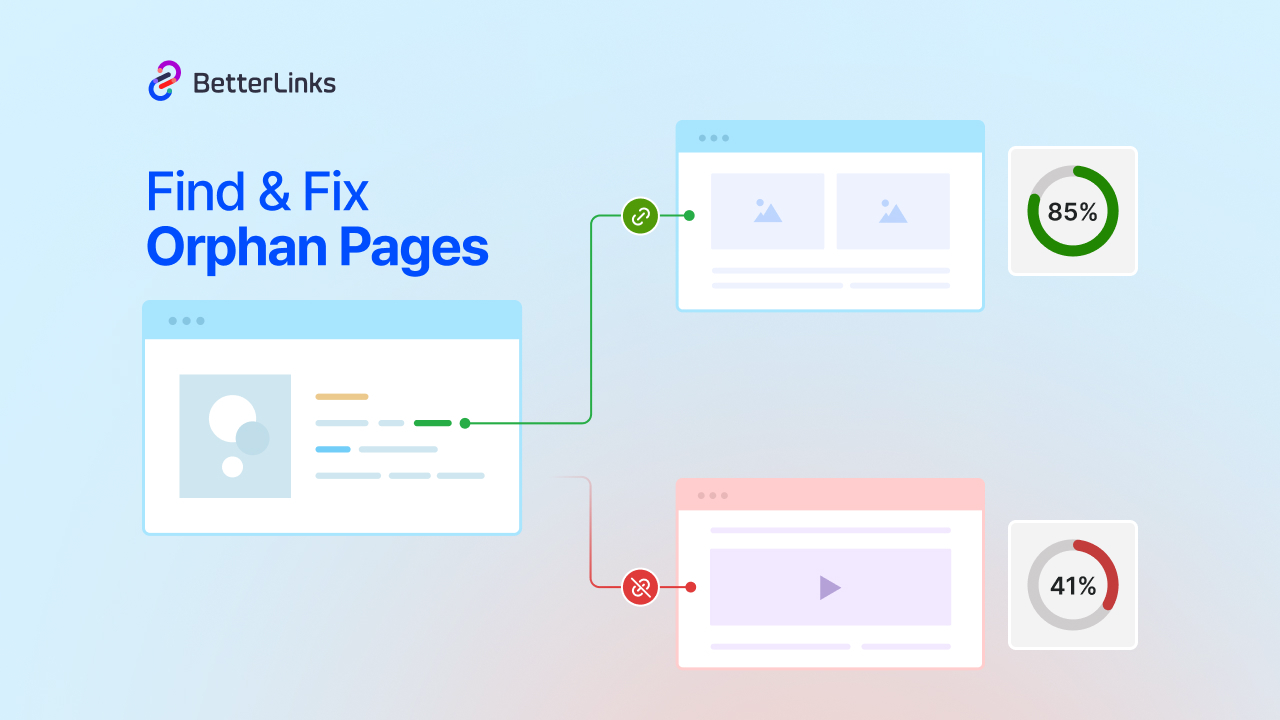
Orphan pages SEO is a critical issue that is easy to overlook and expensive to ignore. An orphan page is any page on your site that has no internal links pointing to it. Google’s crawlers discover pages by following links: an orphan page may never be found, never indexed and never ranked, regardless of how good the content is.
Anchor Text Optimization: The Language of Links
Every link on your site says two things: “go here” and “here is what you will find.” The first part is the URL. The second part is the anchor text (the visible, clickable words that carry the link). And while anchor text may look like a small detail, it is one of the most direct signals you can send to search engines about the content of the page you are linking to.
The Anchor Text Spectrum
There are several anchor text types and a healthy link profile uses a natural mix of all of them:
- Exact-match anchors: the precise target keyword (e.g., ‘internal linking strategy’). Powerful for relevance signals, but overuse appears spammy. Keep exact-match to a small minority of your anchor profile
- Partial-match anchors: a variation of the target keyword (e.g., ‘building a strong internal linking system’). These feel natural and still pass relevance signals
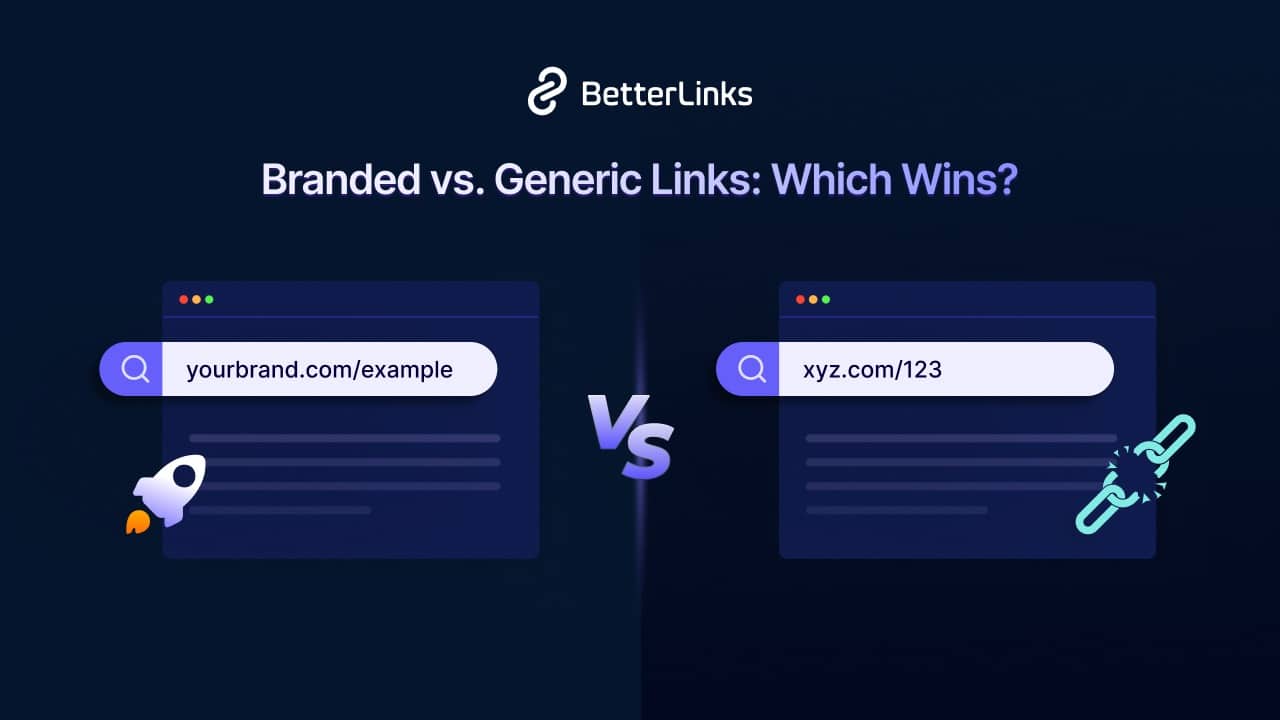
- Branded anchors: your brand or product name. Natural and expected — essential for a diverse anchor profile
- Generic anchors: ‘click here,’ ‘read more,’ ‘learn more.’ Offer no relevance signal whatsoever. Minimize or eliminate these in favor of descriptive text
- Naked URLs: the raw URL as the anchor text. Acceptable occasionally, but not informative
- Contextual descriptive anchors: a natural phrase that describes the destination without keyword-stuffing (e.g., ‘our guide to site architecture’). These are the gold standard for most internal links
Anchor Text Best Practices
- Be descriptive and specific — users should know exactly what they’ll find when they click
- Keep anchor text concise — 2–6 words is the sweet spot
- Vary your anchors — never use the exact same phrase for every link pointing to the same page
- Avoid ‘click here’ and ‘read more’ — they communicate nothing to search engines and very little to users
- Make links visually distinct — underlined or colored text so users can immediately identify them as clickable
📊 According to Moz, descriptive anchor text helps search engines understand the context of linked pages — use relevant phrases and natural keyword variations, but avoid overusing exact-match keywords.
Dofollow vs Nofollow Links: When to Use Each
Every link on your website carries an instruction for search engine crawlers, whether you set it deliberately or not. That instruction determines whether the link passes authority from one page to another, or simply exists as a pathway without any SEO weight behind it. Understanding the difference between dofollow and nofollow links and knowing when to apply each, is one of the most important technical decisions in link optimization.
What Are Dofollow Links?
Every link is a dofollow link by default. No special HTML attribute is required to make a link pass authority. When a search engine crawler follows a dofollow link, it passes PageRank, commonly referred to as link equity, from the source page to the destination page.
This is the primary mechanism through which authority flows across your site and across the web. When a high-authority publication links to one of your pages with a dofollow link, a portion of that page’s authority transfers to yours. The same principle applies internally: when your highest-traffic pillar page links to a newer blog post, it passes some of its earned authority down to that post, giving it a ranking boost it could not have achieved on its own.
Dofollow links are in the default state for a reason. The web was built on the assumption that links are endorsements, and that endorsements should carry weight.
When to Use Dofollow Links
Since every link is dofollow by default, no special attribute is needed. The rule is simple: if a link is a genuine editorial recommendation you are comfortable standing behind, leave it as dofollow. Here are the specific situations where dofollow is the right choice:
- Core internal content links within your blog posts, pillar pages, landing pages and cluster content should always be dofollow. These links distribute authority across your site and reinforce topical relationships between your pages.
- Navigation and structural links across your main menu, footer, sidebar and breadcrumb trails should remain dofollow. They appear site-wide and signal to search engines which pages carry the most importance.
- Editorial outbound links to authoritative external sources, such as research studies, industry reports, government data, or recognized expert publications, should be dofollow. Google treats these as a credibility signal, not a risk.
- Links to tools, products, or resources you are genuinely recommending based on your own assessment, with no paid arrangement involved, should be dofollow. These are editorial endorsements and should pass authority freely.
What Are Nofollow Links?
A nofollow link carries the rel=”nofollow” attribute in its HTML, which instructs search engine crawlers not to pass link equity to the destination page. Introduced by Google in 2005 primarily to combat comment spam, the nofollow attribute has since evolved into a more nuanced tool.
An important update worth knowing: since 2019, Google has treated nofollow as a hint rather than a hard directive. This means Google may still crawl a nofollow link, may still index the destination page through it and may still use it to understand topical and entity relationships, even without passing PageRank in the traditional sense. Nofollow no longer means invisible. It means deprioritized.
When to Use Nofollow
Knowing when to apply nofollow, sponsored, or ugc protects your site’s link equity and keeps you compliant with Google’s guidelines. Use these attributes in the following situations:
- Paid or affiliate outbound links require rel=”sponsored”. This is not optional under Google’s webmaster guidelines.
- User-generated content links in comments, forums, or community features should carry rel=”ugc” to signal that you have not personally endorsed these destinations.
- Low-priority internal pages, such as login pages, account dashboards, cart and checkout pages, thank-you pages, and filtered or sorted URL variations, do not need to rank and do not need to receive equity. Nofollowing these internal links keeps your crawl budget focused on content that matters.
- External links to sources you are referencing but not fully endorsing, such as a study you are citing critically or a page you are linking to for context rather than recommendation, can reasonably carry nofollow.
A Practical Rule of Thumb
When you create any link on your site, ask one question: Am I genuinely recommending this destination to both users and search engines? If yes, leave it as dofollow. If the link is paid, apply to be sponsored. If it is from unvetted user content, apply ugc. If it falls into none of those categories, but you still do not want to pass equity, apply nofollow. Everything else should follow by default.
Applied consistently, this framework keeps your link equity flowing where it should, keeps you compliant with Google’s guidelines, and ensures that every link on your site is doing the job it is supposed to do.
External Link Optimization: How to Link Out Without Leaking Authority
Every outbound link on your site is a door you are opening to the outside web. Open the right ones and you signal credibility, build trust with search engines and add genuine value for your readers. Open the wrong ones and you quietly drain the authority your pages have worked to earn.
Linking to High-Quality External Sources
Linking to authoritative, relevant external sources (industry publications, research studies, government sites, recognized experts) strengthens your content’s credibility. Google’s quality raters look for this as a marker of trustworthy, well-researched content. The key is relevance: link to sources that genuinely add value for your readers, not just to appear thorough.
Open Links in a New Tab
For all external links, use target=’_blank’ to open them in a new browser tab. This keeps users on your site even after following an external link, reducing the immediate exit rate and keeping your session metrics healthy.
✅ Always pair target=’_blank’ with rel=’noopener noreferrer’ for security. This prevents the linked page from accessing your page’s window object via JavaScript, which is a documented security vulnerability.
Avoid Linking to Low-Quality Pages
Every outbound link you create is an implicit endorsement. Linking to low-quality, spammy, or irrelevant pages signals poor editorial judgment to both users and search engines. Regularly audit your outbound links as part of your link audit SEO process and remove or nofollow any links pointing to degraded or irrelevant sources.
Monitor And Replace Broken Outbound Links
External sites change, pages get deleted, and URLs redirect or disappear. Broken link building isn’t just an outreach tactic — it is a site maintenance priority. Broken outbound links damage user experience, waste crawl budget, and signal that your content is poorly maintained. Use tools like Screaming Frog, Ahrefs, or Google Search Console to identify and fix them regularly.
Link Building Strategy: Earning High-Quality Backlinks
No guide on link optimization is complete without addressing inbound link acquisition. Your link building strategy determines how much authority your site earns from the broader web and that authority is one of the most important long-term ranking factors in SEO.
Create Link-Worthy Content
The most sustainable link building approach is creating content that others naturally want to reference. Content types that consistently earn high-quality backlinks:
- Original research and data studies — unique statistics that other sites need to cite
- Comprehensive ultimate guides — definitive resources on important topics in your niche
- Free tools, calculators, and templates — practical utilities that get bookmarked and shared
- Expert roundups and data-driven industry reports — content that positions your site as an authority
Broken Link Building
Broken link building is one of the highest-efficiency link acquisition tactics available. The process: find broken links on authoritative sites in your niche, identify or create content that matches the broken resource, then reach out to the site owner, suggesting your page as a replacement. It is a win-win as they fix a broken link and you earn a quality backlink.
Earning Links Through PR And Mentions
Getting featured in industry publications, earning media coverage, contributing expert quotes to journalists and being included in ‘best of’ roundups are all high-leverage link acquisition activities. A single high-authority mention can deliver more SEO value than dozens of low-quality guest posts.
Competitor Backlink Analysis
Analyze the backlink profiles of your top-ranking competitors using tools like Ahrefs or SEMrush. Identify the 20% of their link sources delivering the most authority and prioritize those same sources for your own outreach. This is the most efficient path to closing the authority gap with established competitors.
📊 Pages ranking in positions 11–20 in Google can see dramatic traffic increases with focused optimization. A targeted backlink and on-page optimization push on these ‘page 2’ pages frequently delivers more return than building entirely new content.
However, to optimize your site’s links, you need to conduct a link audit. A link audit SEO is the diagnostic backbone of any link optimization project. It gives you a clear picture of your current link health: what is working, what is broken, what is leaking equity, and where the biggest opportunities lie.
Learn more:
- How to Do Link Audit for SEO in 2026
- Internal Link Audit: How to Fix Links And Boost Website Performance
Site Structure SEO: Building a Link Architecture That Scales
Individual link optimizations compound into something much more powerful when your overall site structure SEO is sound. A well-architected site ensures that link equity flows efficiently from your most authoritative pages (typically the homepage and pillar content) down through your content hierarchy to every important supporting page.
1. The 3-Click Rule
Every important page on your site should be reachable within 3 clicks from the homepage. Pages buried deeper in your site’s hierarchy receive less crawl attention and less link equity. If your key content is more than 3 clicks deep, either restructure your navigation or add strategic shortcuts through internal links in your pillar content and homepage.
2. URL Structure And Link Architecture
Your URL structure reinforces your link architecture. A logical, hierarchical URL structure (domain.com/category/subcategory/page) signals the same relationships to search engines that your internal links do. Consistency between your URL hierarchy and your internal link structure strengthens both signals.
3. Breadcrumb Navigation
Breadcrumbs — the navigational trail showing a user’s path through your site are a powerful but underutilized internal linking tool. They create automatic structural links between parent and child pages, improve user orientation, and provide clear hierarchy signals to search engine crawlers. Implement breadcrumb schema markup to make these relationships machine-readable for AI and search engines.
4. Managing Link Equity on Large Sites
On larger sites (thousands of pages), link equity distribution management becomes a deliberate strategic activity. Key principles:
- Ensure every page in your sitemap has at least one internal link pointing to it
- Use your highest-authority pages strategically — internal links from your homepage and top-ranking pillar pages pass the most equity
- Avoid link equity dilution by keeping total links per page under 150
- Prioritize crawl budget optimization by de-indexing or nofollowing low-value pages (filters, sorted views, duplicate content), so crawlers focus on high-value content
Common Link Optimization Mistakes to Avoid
Your affiliate links are working, but are they working hard enough? Most marketers spend hours creating content and driving traffic, only to lose conversions at the final step: a poorly optimized link.
From broken redirects to missed tracking parameters, link optimization mistakes are silent revenue killers. This guide breaks down the most common errors and how to fix them before they cost you more commissions.
Mistake 1: Ignoring Orphan Pages
Orphan pages SEO is one of the most common and most damaging oversights. If Google can not reach a page through internal links, it likely will not index or rank it. Audit for orphan pages every quarter.
Mistake 2: Using Generic Anchor Text
‘Click here’ and ‘read more’ are wasted opportunities. Every link anchor is a chance to send topical relevance signals to search engines. Apply anchor text optimization to every contextual link you create.
Mistake 3: Nofollowing Internal Links to Important Pages
Accidentally applying nofollow to internal links pointing to high-priority content is surprisingly common, especially on sites using CMS plugins that apply nofollow by default. Audit your internal dofollow vs nofollow links balance regularly.
Mistake 4: Linking Only to the Homepage And Top Categories
Deep linking is more powerful than surface linking. Directing internal links to specific, valuable inner pages drives link equity distribution to the pages that need it most.
Mistake 5: Never Auditing Outbound Links
External sites change. Pages get removed. Domains expire and get purchased by spammers. A link that was pointing to a reputable source two years ago may now point to a low-quality or irrelevant page. Include outbound external link optimization in every quarterly link audit.
Mistake 6: Treating All Links as Equal
A link from your homepage passes dramatically more equity than a link from a low-traffic, thinly linked blog post. Understanding PageRank distribution and using your highest-authority pages strategically is what separates a thoughtful internal linking strategy from a random collection of hyperlinks.
How to Manage And Optimize Links in WordPress with BetterLinks
For WordPress users, link optimization can quickly become overwhelming as a site grows. Managing hundreds of internal links, applying correct rel attributes to affiliate links, tracking which external links are still live, and monitoring click performance, these tasks are time-consuming and error-prone when done manually across individual posts and pages.
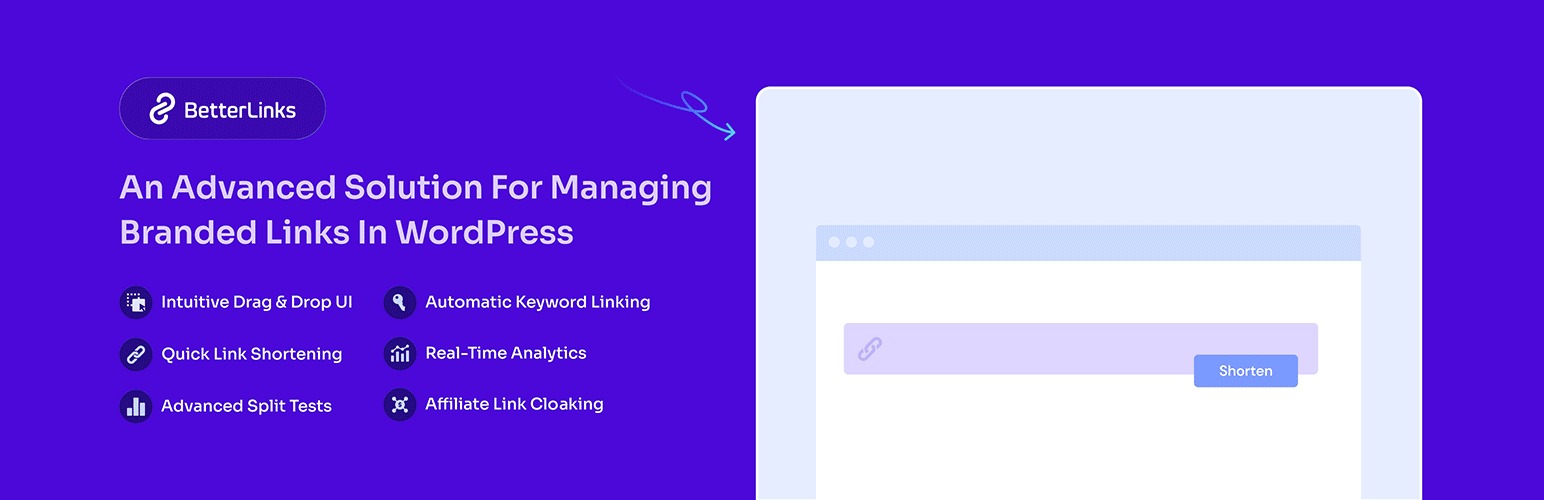
BetterLinks is a WordPress link management solution that centralizes every aspect of link management into a single, visual dashboard, making it the most practical tool available for implementing the strategies in this guide.
Here’s BetterLinks Feature Overview
| BetterLinks Feature | What It Does for Link Optimization |
| Broken Link Checker | Scans your entire site for broken internal and external links and generates a report that fixes the most common link audit issues in one click |
| Nofollow / Sponsored / UGC Attributes | Apply rel=’nofollow’, rel=’sponsored’, or rel=’ugc’ to any link with a single toggle, no HTML editing required |
| Link Analytics & Click Tracking | Built-in analytics dashboard tracks click-through rates on every link, showing exactly which links drive engagement and conversions |
| Link Cloaking | Converts long, messy affiliate or external URLs into clean, branded pretty links that protect your commissions and improve trust |
| Auto Link Insertion | Automatically inserts internal links based on keywords across your content — powerful for scaling your internal linking strategy |
| UTM Builder | Generates UTM parameters automatically for campaign tracking — connect your links directly to Google Analytics data |
| Link Expiration & Redirects | Set expiration dates and click limits for time-sensitive campaigns; supports multiple redirect types (301, 302, 307) |
| Drag-and-Drop Link Manager | Organise all your links in a visual dashboard — create, edit, categorise and manage every URL from one place |
| One-Click Migration | Import all links from PrettyLinks, ThirstyAffiliates, or CSV files in minutes with zero data loss |
| Full Site Link Scanner | Scan all the links on your site with detailed reports, including active, broken links, recheck options and instant status updates for complete link management |
| AI Bulk Link Generator | Create multiple short links at once & categorize them with the help of AI to make link management faster and smoother |
BetterLinks for Affiliate And Campaign Link Management
Affiliate marketers rely heavily on link cloaking WordPress to protect commissions, create professional-looking links and track click performance. BetterLinks handles all three in one place: create a branded short link, apply rel=’sponsored’ with a single checkbox, set an expiration date if needed, and monitor click-through rates from the built-in analytics dashboard (no third-party tools required).
BetterLinks for Link Auditing
BetterLinks’ broken link checker scans your site and surfaces every broken internal and external link in a single report. Combined with its link analytics (showing which links are receiving clicks and which are being ignored), it gives you the data you need to run a meaningful link audit SEO without needing expensive dedicated tools.
Build Your Link Optimization Strategy: Where to Start
Link optimization is not a one-time project; it is an ongoing discipline. But for most sites, the fastest path to meaningful improvement follows this sequence:
- Run a full link audit SEO to establish your baseline: identify broken links, orphan pages SEO, nofollow misuse, and anchor text gaps
- Fix broken internal links and add internal links to every orphan page
- Review and correct any internal nofollow links SEO pointing to high-priority content
- Audit and improve your anchor text optimization — replace generic anchors with descriptive, varied text
- Implement or strengthen your pillar page strategy and topic cluster SEO architecture
- Review external link optimization — fix broken outbound links, add nofollow/sponsored attributes where needed, and remove links to low-quality sources
- Schedule quarterly audits to maintain link health as your site grows
A well-optimized link structure is one of the highest-leverage, lowest-cost improvements you can make to your site’s SEO. The work compounds: every internal link you add correctly makes the next page slightly more likely to rank, every anchor you improve sends clearer signals, and every orphan page you rescue recovers traffic that was already yours to claim.
Start with the audit. Fix the fundamentals. Then build the strategy that turns your site into a coherent, authoritative link network that both search engines and AI systems can trust.
Is this blog helpful? Join our Facebook community to stay updated with the latest blogs, product reviews and WordPress solutions. Subscribe to our blog for in-depth tutorials, tips and visit our social media platforms for the newest updates.