Have you ever wondered what LSI keywords are and why so many people in the SEO industry still talk about them? LSI stands for Latent Semantic Indexing, which uncovers hidden relationships between words in large text sets. In SEO, LSI keywords usually refer to terms like ‘meta tags’ or ‘keyword density’ for a target like ‘on-page SEO,’ not synonyms but contextually linked phrases that clarify intent.
These are not random; they are words top pages naturally use together, signaling comprehensive coverage to algorithms like Google’s BERT or MUM. Tools evolved from this idea but Google clarified it does not use LSI directly, yet semantic signals remain core to ranking.
Are LSI Keywords Still Relevant in 2026 SEO?
Yes, LSI keywords matter more than ever, as search prioritizes topical authority over exact matches amid AI-driven updates. Recent analyses show pages with clustered related terms outrank sparse ones by covering user queries holistically, boosting dwell time and shares.
Post-Helpful Content Update, engines reward depth: a “coffee” page without roast levels” or “caffeine effects” feels incomplete. In 2026, with voice and multimodal search rising, semantic richness ensures visibility across queries.
Why LSI Boost Rankings?
Search engines scan for co-occurring terms to gauge relevance, reducing spam while surfacing expert content. Naturally weaving in LSI variants like ‘calories’ or ‘ketogenesis’ for ‘high-fat diet’ enhances E-E-A-T without repetition.
This builds topical clusters, where interlinked posts reinforce authority, driving 20-30% traffic lifts in competitive niches. It’s user-first: readers get complete answers, algorithms get context and you get sustained rankings.
How to Identify LSI Keywords?
Even though LSI is technically an outdated concept, the tools and methods people use to ‘find LSI keywords’ are genuinely useful for discovering semantically related terms. Here is a practical step-by-step process:
Step 1: Use Google Autocomplete
Type your primary keyword into Google’s search bar and pause before hitting enter. Google will suggest popular queries that real users are searching. These suggestions reveal how people naturally phrase their searches around your topic.
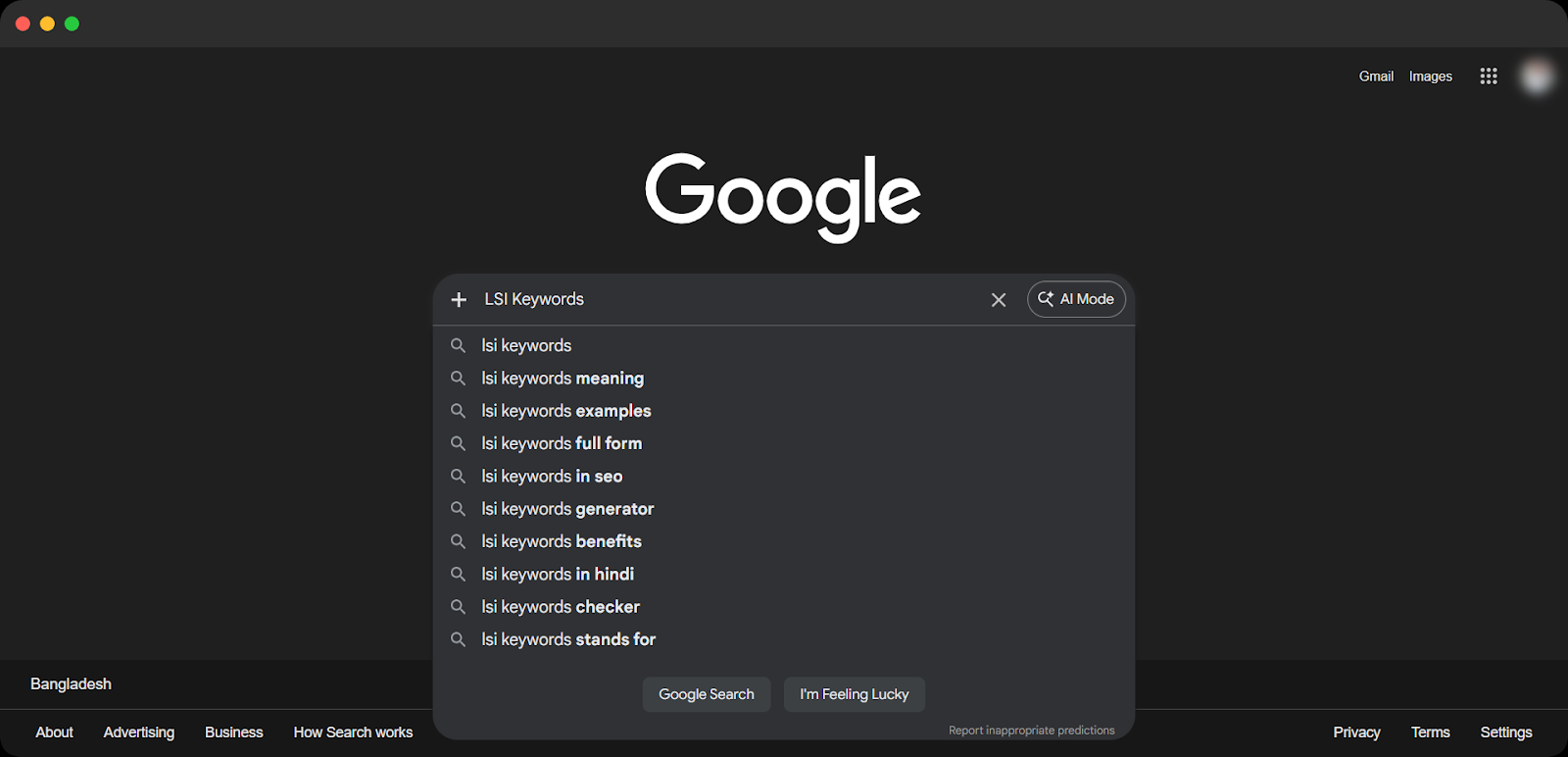
For example, typing ‘LSI Keywords’ might surface ‘lsi keywords meaning’ ‘lsi keywords examples’ and ‘lsi keywords in seo’ These are real search behaviors.
Step 2: Check ‘People Also Ask’ And Related Searches
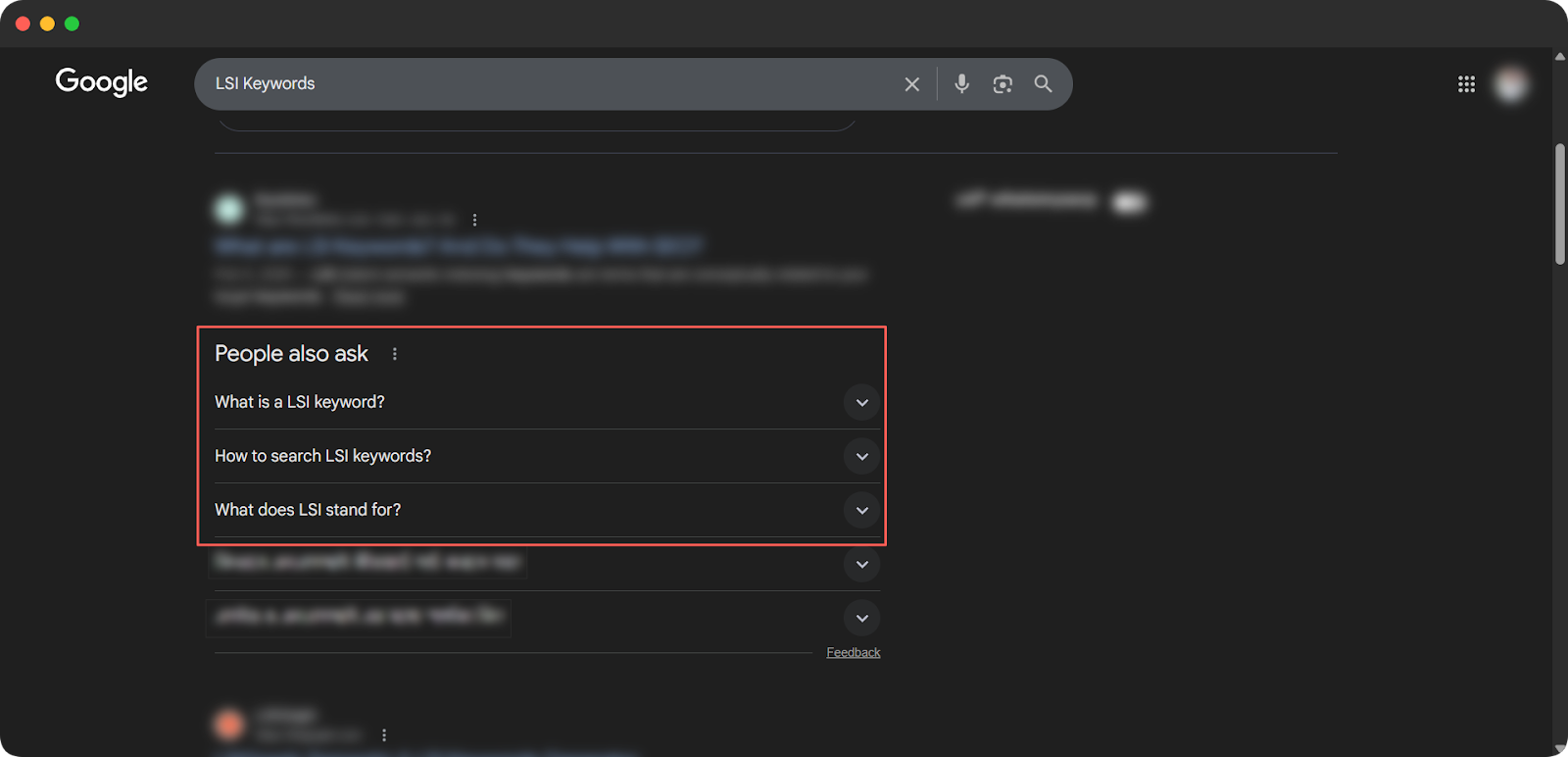
After you search your keyword, look at two places on the results page. The People Also Ask box shows common follow-up questions.
The Related Searches section at the bottom of the page shows adjacent queries.
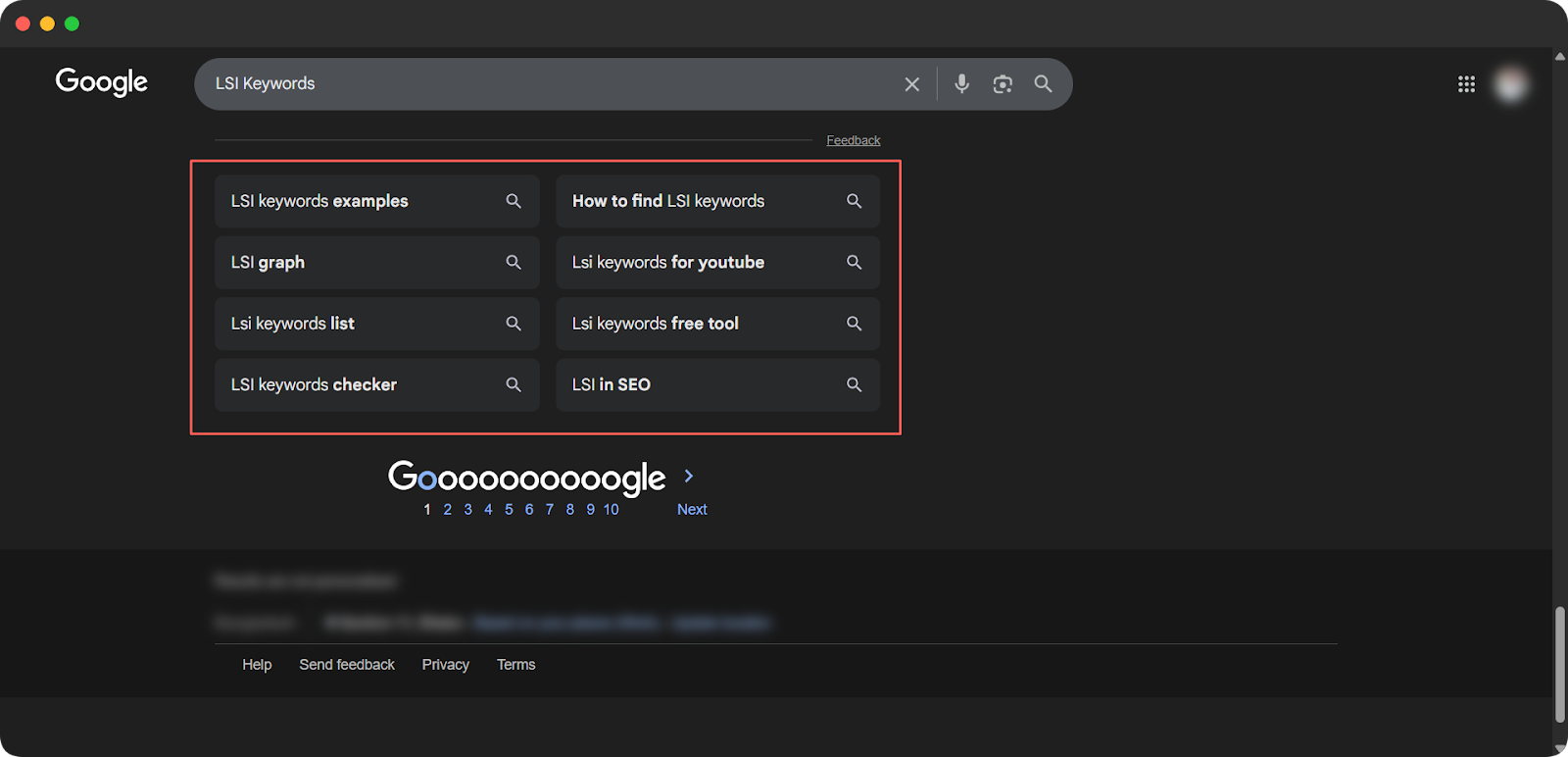
Both give you insight into what Google considers topically connected to your keyword. Include answers to these questions naturally in your content.
Step 3: Analyze Bold Terms in SERP Snippets
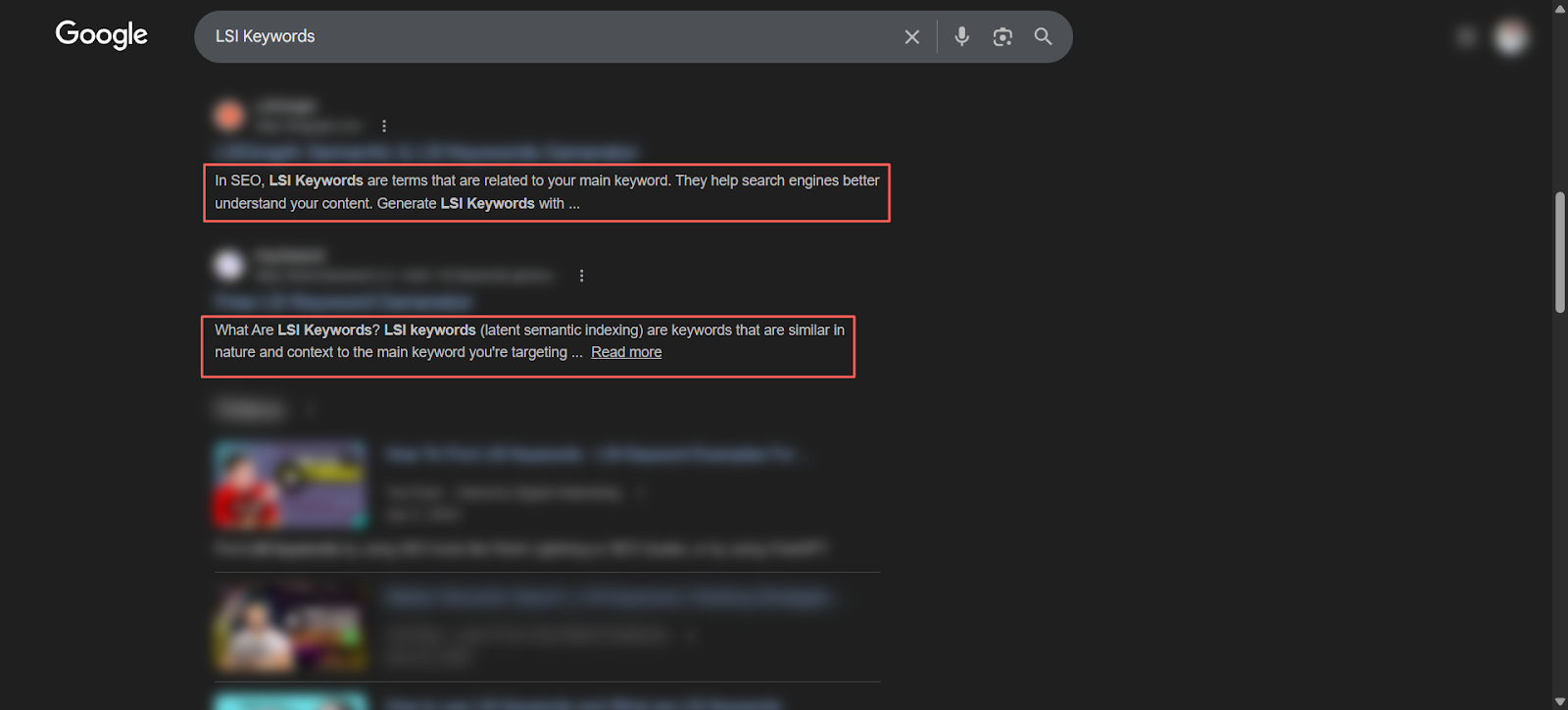
Google bolds words in meta descriptions and features snippets that it considers relevant to your search. These bolded terms are not always exact matches to your query. Often they are semantically related phrases that Google recognizes as important. Scan the top 5 results for your keyword and note every bolded term you see.
Step 4: Use Free Keyword Research Tools
Several free tools help you expand your keyword list with related terms:
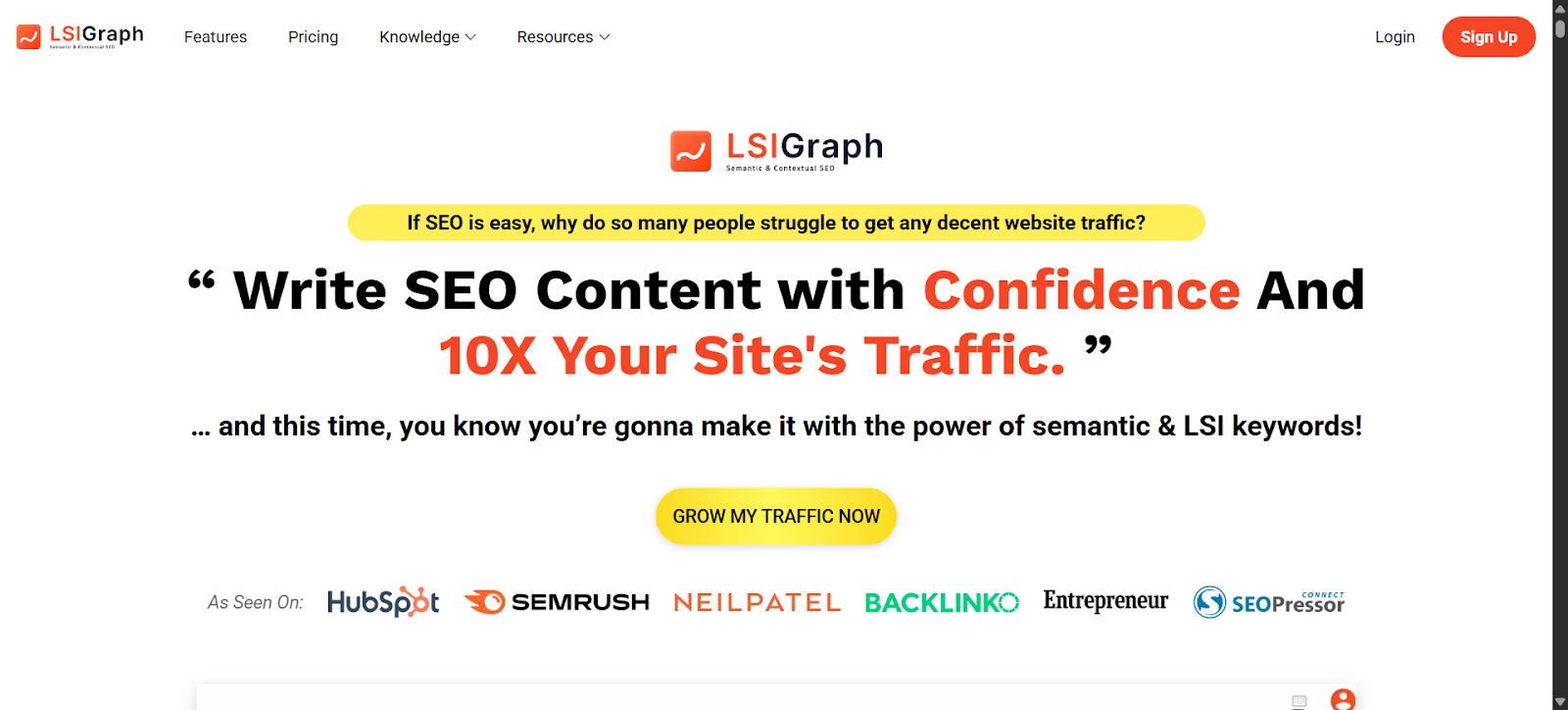
LSIGraph: Enter your keyword and get a list of semantically related terms with relevance scores.
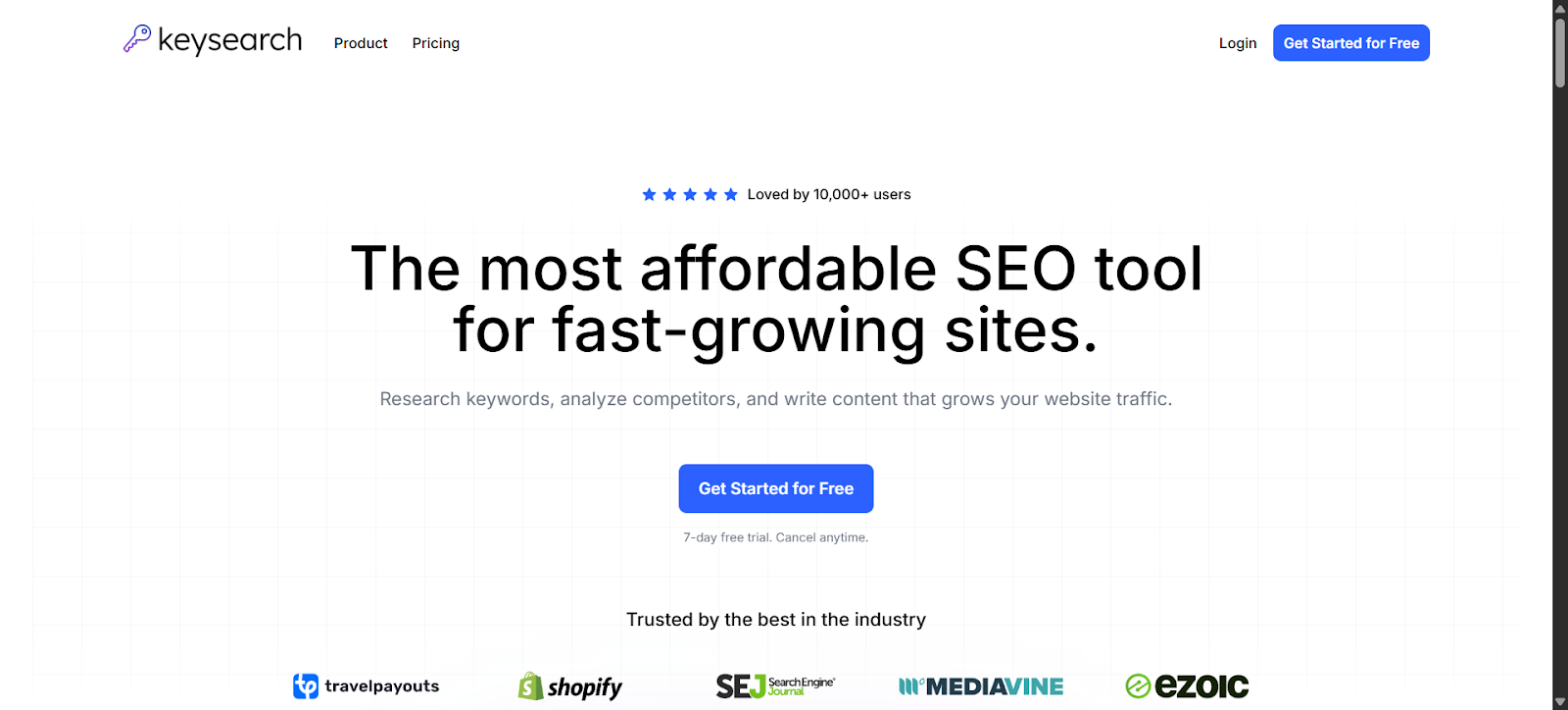
KeySearch: Offers a free LSI keyword generator alongside search volume data.
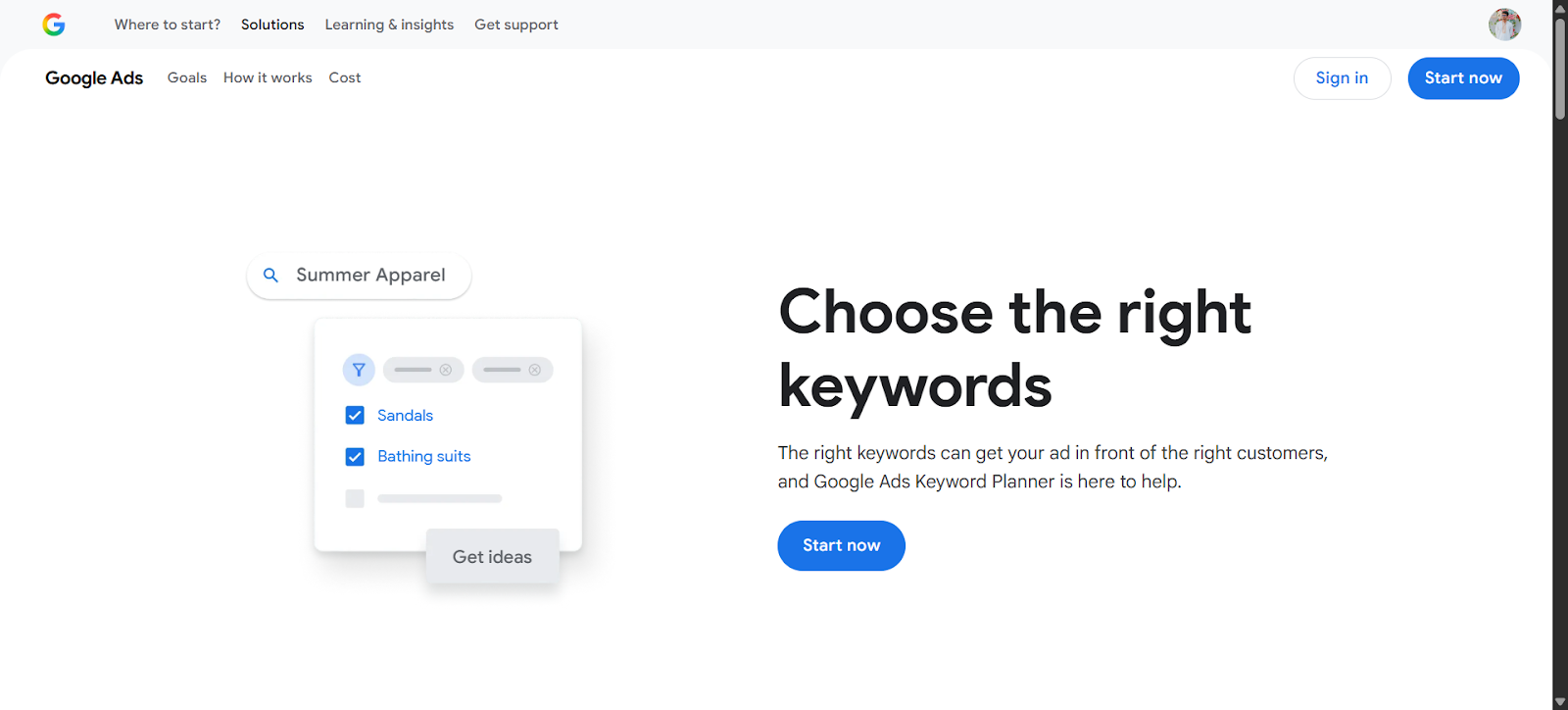
Google Keyword Planner: Reveals keyword ideas and related groupings.
AnswerThePublic: Surfaces questions, comparisons, and prepositions connected to your topic.
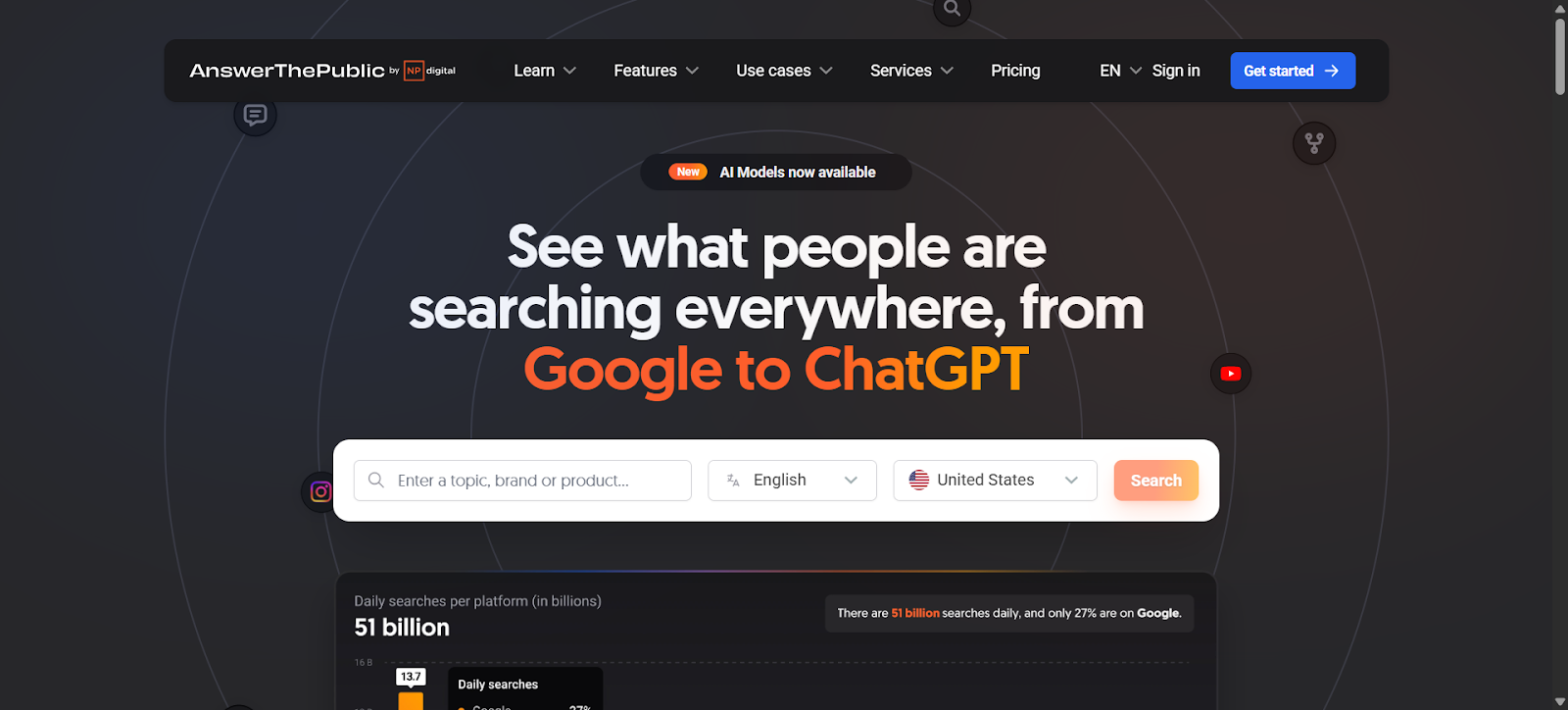
Step 5: Analyze Competitor Content
Identify the top 3 pages ranking for your target keyword. Read through each one and note the recurring themes, section headers and subtopics they cover. These patterns reveal the semantic scope Google expects for your topic.
Tools like Ahrefs or SEMrush make this faster with their ‘Content Gap’ analysis feature.
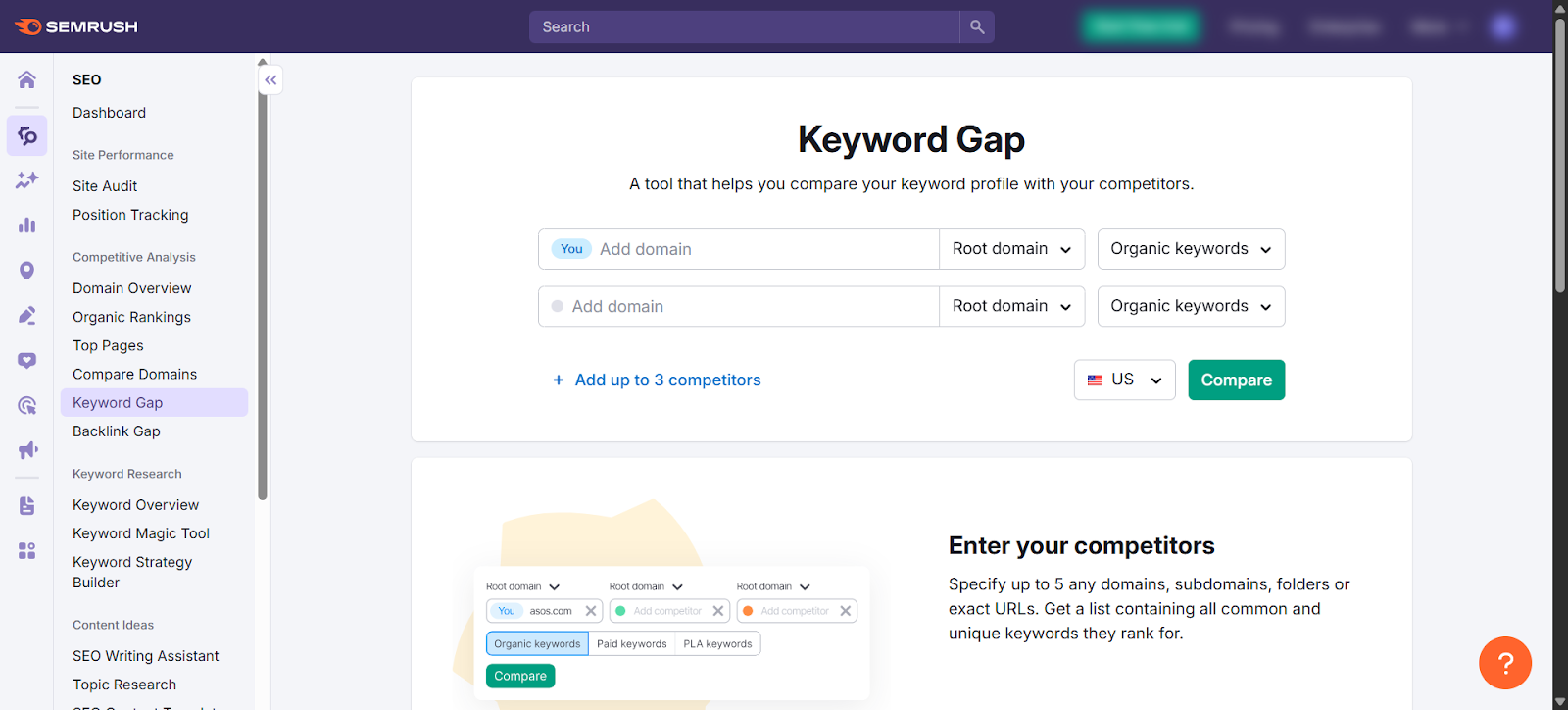
Step 6: Validate and Filter
Not every related term belongs in your content. Check each term against your actual page intent. Ask: Does including this term add value for my reader? If the answer is yes, use it naturally. If it feels forced, skip it.
Aim for a natural distribution of related terms throughout your content, not a mechanical insertion every 100 words.
How AI Can Help in LSI Research?
AI tools have revolutionized LSI keyword research by automating pattern recognition and semantic analysis far beyond manual methods. In 2026, AI processes billions of search queries daily to surface contextually relevant terms, making research faster and more accurate for affiliate marketers.
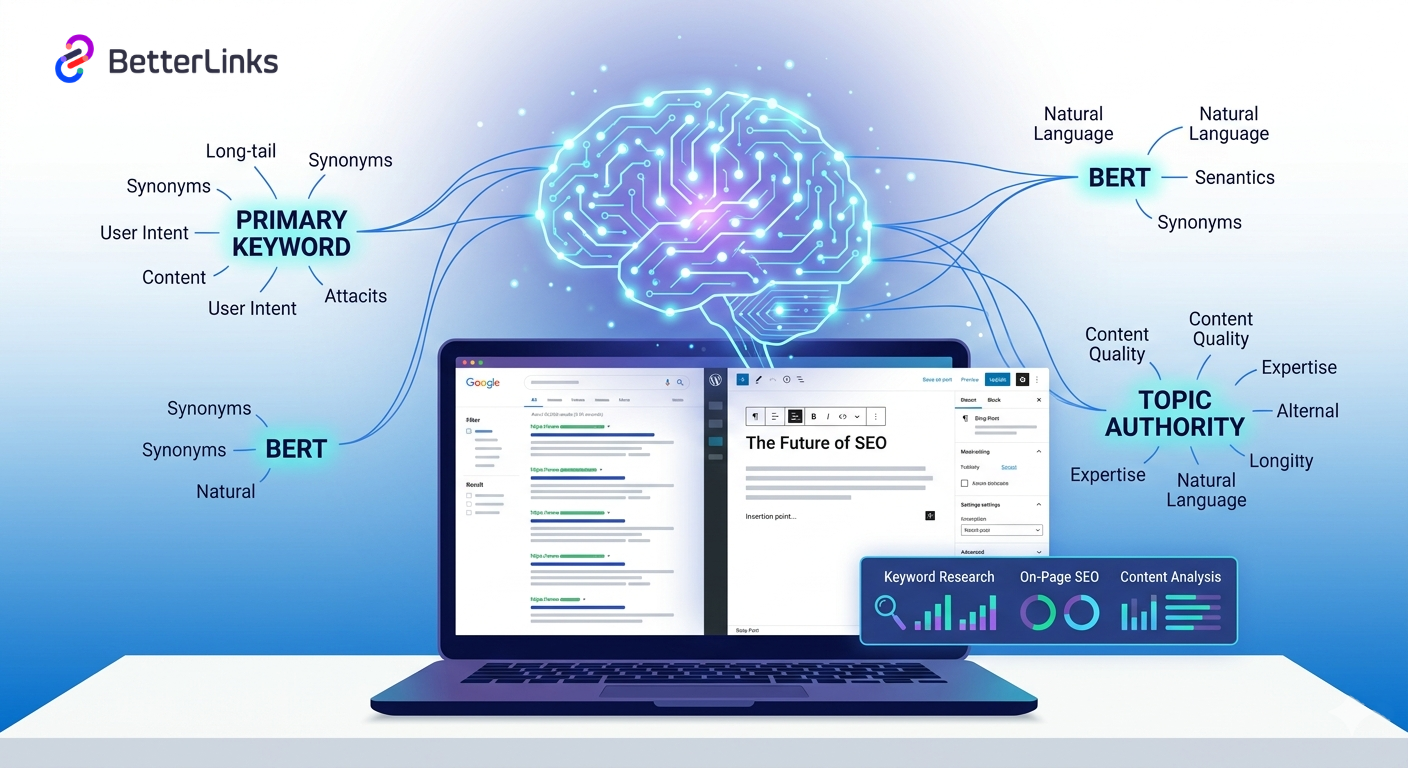
AI-powered tools like SurferSEO and Frase analyze top-ranking content to extract semantic keywords with 90%+ accuracy, helping you build topical authority without guesswork.
How AI delivers value:
- Content Analysis: AI scans SERP toppers and identifies recurring entities, questions, and phrases Google deems relevant.
- Intent Clustering: Groups keywords by user intent (informational, navigational, transactional).
- Predictive Scoring: Rates term relevance based on current algorithm patterns.
Does Google Use LSI or Not?
No, Google does not use LSI. This myth persists despite official statements.
Google’s John Mueller stated in 2019, ‘We do not use Latent Semantic Indexing,’ confirming LSI technology was never part of their algorithm.
Why the confusion?
- 1980s Origins: LSI was patented for academic databases, not web-scale search.
- 2004 Misinterpretation: Google’s “Brandy update” led SEOs to assume LSI powered related term rankings.
- Modern Reality: Google uses BERT (2019), MUM (2021) and neural matching for semantic understanding, far superior to LSI’s matrix math.
Synonym vs LSI Keywords
Synonyms and LSI keywords get confused often, but they serve different purposes in semantic SEO.
Synonyms are direct word replacements (run = jog); LSI are broader contextual terms (run = marathon training, running shoes). Optimizing content for synonyms (related keywords) increased estimated organic traffic by 129.7% for that page.
| Aspect | Synonyms | LSI Keywords |
| Definition | Exact meaning equivalents | Contextually related concepts |
| Example (“coffee”): | Java, brew | Beans, roast level, espresso machine |
| Google Handling | Neural matching since RankBrain | BERT/MUM for full context |
| SEO Use | Natural variation | Topical depth signals |
| Risk | Overuse = stuffing | Rare if topic-relevant |
Bonus: The Modern Approach That Actually Works
The modern approach that actually works focuses less on exact keywords and more on creating semantic content that fully solves the searcher’s problem. Semantic SEO is the practice of creating content that helps search engines understand the true meaning of your page, not just the words on it.
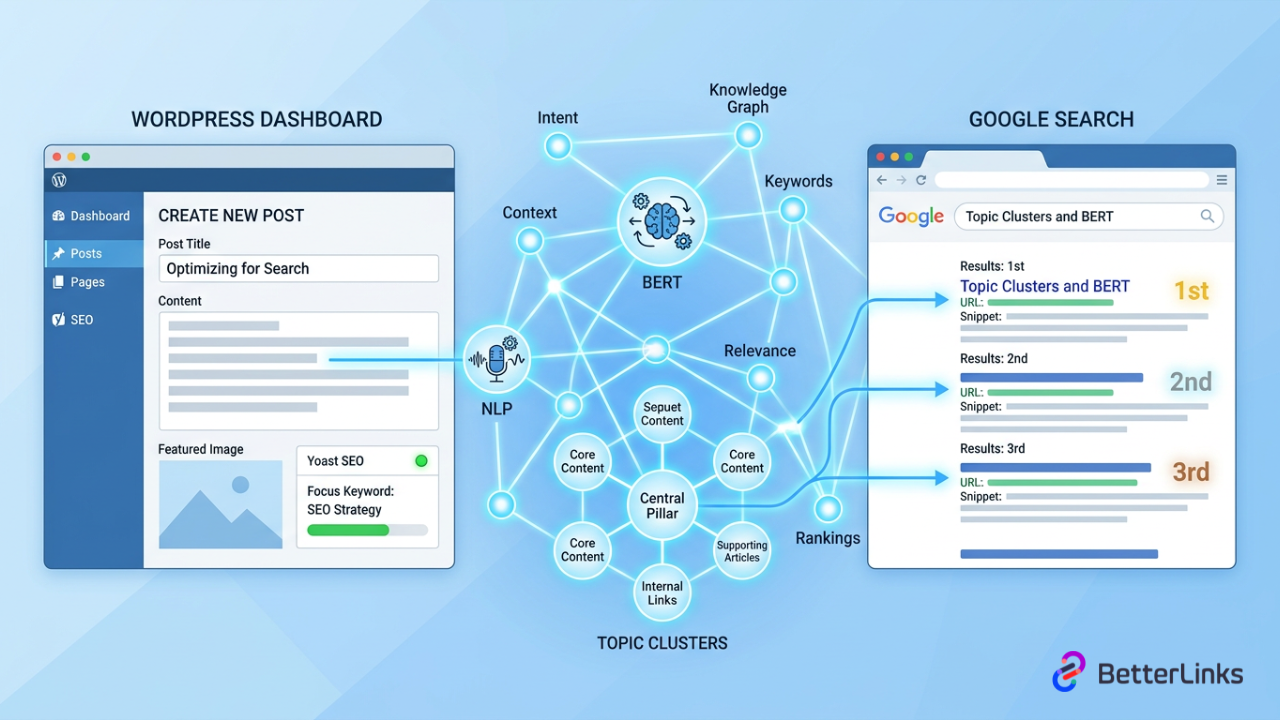
Instead of repeating the same keyword multiple times, semantic SEO focuses on covering the full topic: related concepts, common questions, entities and real user intent. Google’s systems now read pages the way a knowledgeable human would, connecting ideas and inferring meaning from context.
Key Elements of a Strong Semantic SEO Strategy in 2026
- Topic clusters: Build a main pillar page and link it to related subtopic pages. For example, a pillar page on ‘affiliate marketing tools’ can link to cluster pages on UTM tracking, link cloaking and click analytics.
- Entity coverage: Mention the people, tools, platforms, and concepts that naturally belong to your topic. For a page about WordPress redirects, entities include 301 redirects, 302 redirects, redirect chains, and tools like BetterLinks.
- User intent alignment: Match your content to what the user actually wants. Are they looking to learn, compare or take action? Your content structure should reflect that.
- Natural language: Write the way your audience speaks and searches. Voice search and AI-generated answers both reward clear, conversational writing.
A practical example: if you write a page about link management for WordPress, your semantic coverage should naturally include terms like affiliate link cloaking, URL shortening, branded links, click tracking, UTM parameters and redirect management. You are not stuffing keywords. You are covering the topic fully.
Start Using Semantic SEO Instead of Chasing LSI Today
LSI keywords miss the bigger picture. SEO success in 2026 comes down to one principle: write better content than your competitors.
Forget algorithm secrets or keyword lists. Google’s systems reward content that answers searcher questions completely, covers topics with real depth, speaks directly to user intent and provides genuine value readers want to share.
Semantic SEO helps Google understand your page’s true meaning so it matches the right searchers. For affiliate marketers and WordPress users, this means building content clusters around high-value topics and using BetterLinks to create clean, trackable links between related posts.
The playing field is level. You do not need a massive budget or a technical genius. Just understand your audience better than anyone else in your niche.
Is this blog helpful? Join our Facebook community to stay updated with the latest blogs, product reviews and WordPress solutions. Subscribe to our blog for in-depth tutorials, tips and visit our social media platforms for the newest updates.
FAQs (Frequently Asked Questions) About LSI Keywords
Here are some common questions people ask when they are looking for LSI keywords: