Most businesses are not struggling to get traffic in 2026. They are struggling to turn that traffic into qualified leads. That is where AI changes everything. From predicting user intent to automating real-time conversations, AI is no longer just a trend. It is now the engine behind smarter, faster and more profitable lead generation.
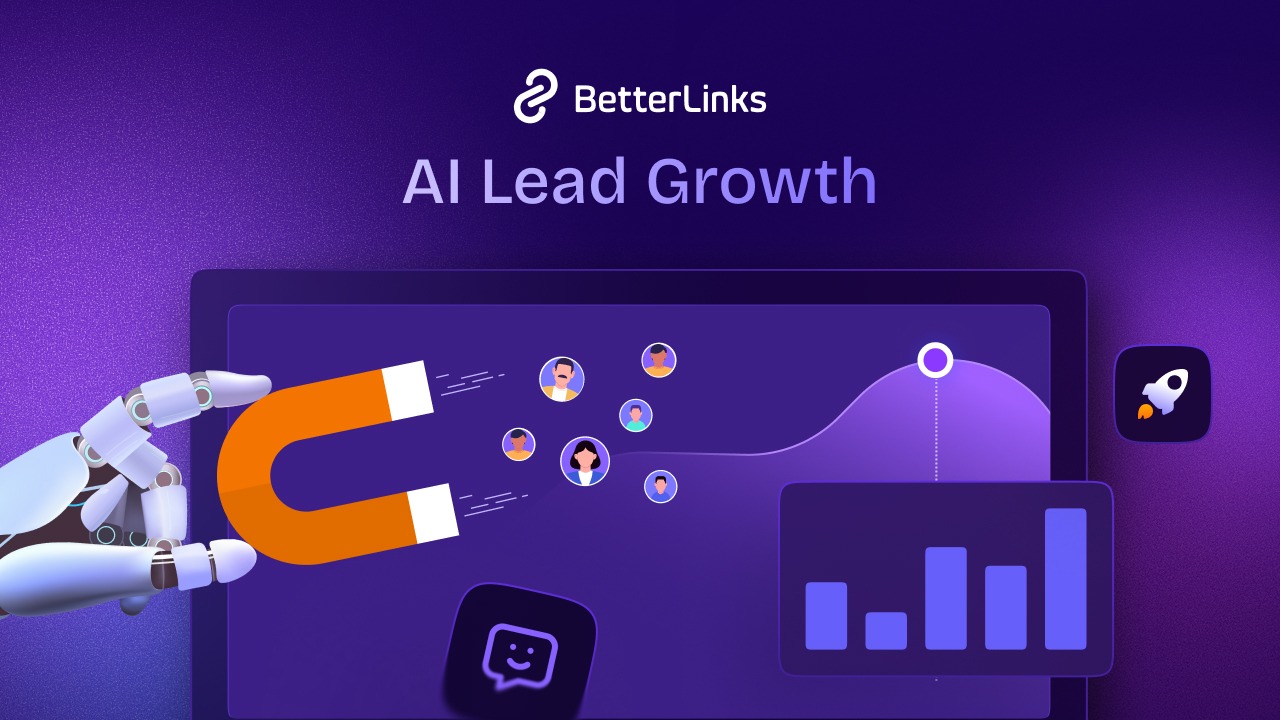
But here is the catch. Using AI tools alone will not get results. The real growth comes from how you apply them. In this guide, you will discover more than 5 proven tips to boost lead generation using AI. These are practical, data-driven tactics you can apply right away to attract high-quality prospects, improve conversions and build a scalable growth system.
TL;DR (Too Long, Didn’t Read?)
AI is transforming lead generation by helping businesses find high-intent prospects, automate outreach and improve conversions with less manual effort. This guide breaks down 5+ practical strategies from predictive lead scoring to AI-powered funnels that help you attract better leads, respond faster and close more deals in 2026.
Here’s what this blog post covers:
| Strategy | Best For | Difficulty Level | Expected Impact |
| Predictive Lead Scoring | B2B companies with large contact databases | Medium | Very High |
| AI Chatbots | High-traffic websites and inbound teams | Low | High |
| AI Email Automation | Outbound-heavy sales teams | Medium | High |
| Buyer Intent Data | Account-based Marketing (ABM) teams | Medium-High | Very High |
| AI Sales Funnel Automation | Full-funnel marketing and sales alignment | High | Extremely High |
What Is AI Lead Generation & Why Does It Matter in 2026?
AI for lead generation is the use of AI tools and technologies to help businesses find high-quality prospects fast and efficiently. It brings together machine learning, natural language processing and predictive analytics to transform a process that has traditionally been slow and manual into something fast, scalable and highly targeted.
In 2026, the pressure on marketing and sales teams has never been greater. Budgets are flat, buyer attention is fragmented across multiple channels and the competition for every prospect’s inbox is fierce. Traditional methods like cold calling, purchased contact lists and generic email blasts are delivering diminishing returns. They are resource-heavy and difficult to scale without adding more headcount.
AI offers a faster, smarter path to growth. It automates repetitive tasks and analyzes vast datasets to find high-intent buyers, empowering your team to make better decisions and focus on building relationships and closing deals.
The shift from traditional to AI-powered lead generation is not just about efficiency. It is about survival in a market where the businesses that move faster, personalize better and respond instantly are the ones that win the most customers.
How AI Lead Generation Actually Works
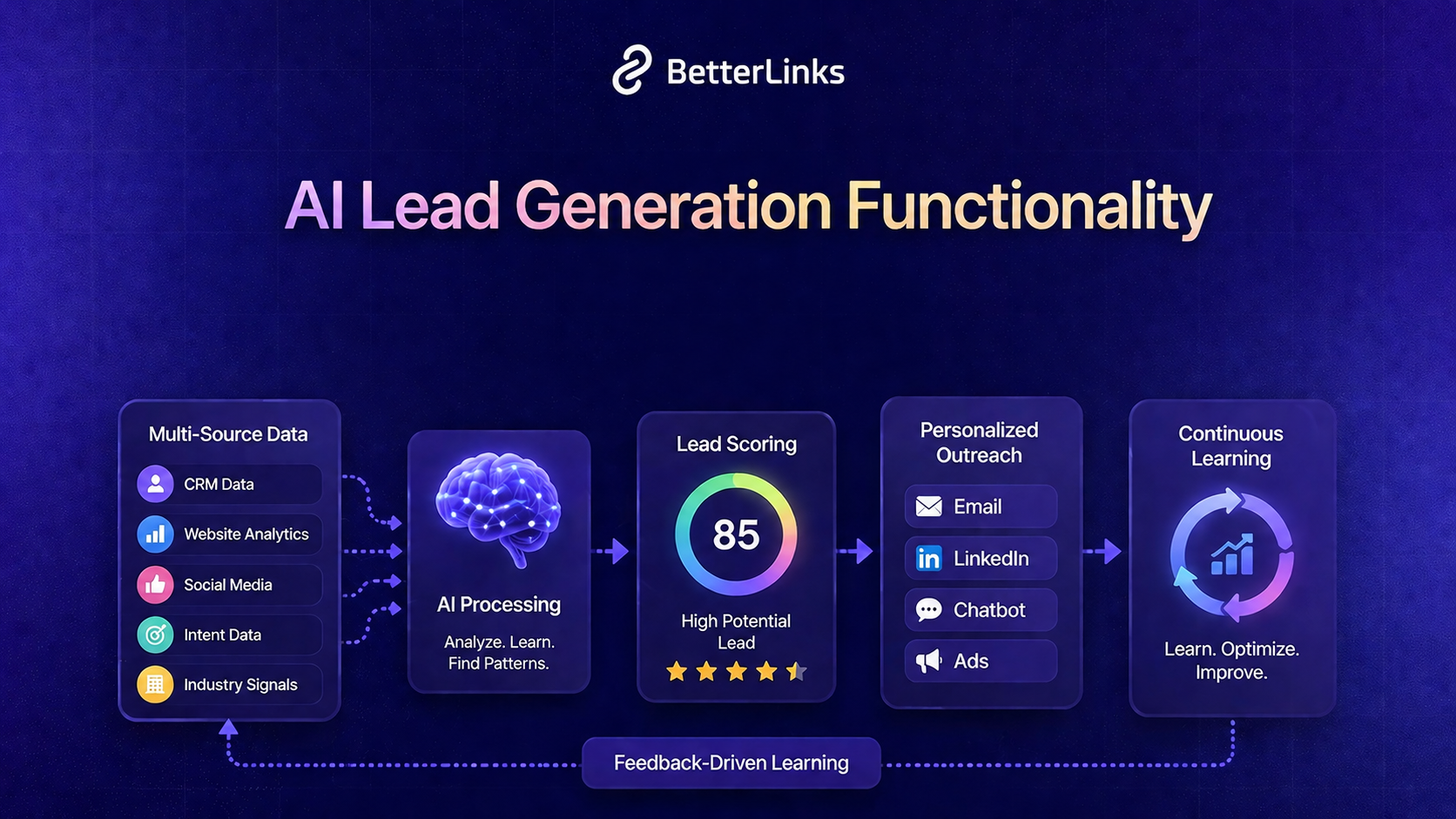
AI lead generation is not just about automation. It is a structured system that learns from data, identifies buying intent and helps marketing and sales teams act at the right moment. At its core, AI uses machine learning models to analyze large volumes of behavioral and historical data, then translates those insights into targeted outreach and lead scoring.
Most AI lead generation tools also integrate directly with CRM platforms. This allows businesses to connect data, scoring and outreach in one workflow instead of managing them separately. The result is a more focused sales process where teams spend less time on manual prospecting and more time on meaningful conversations and deal closure.
A simplified breakdown of how the process works in real-world systems:
1. Data Collection
AI systems gather data from multiple sources to build a complete picture of each prospect. This includes:
- CRM records and past customer interactions
- Website behavior such as page visits, clicks and time spent
- Social media activity and engagement patterns
- Third-party intent data and industry signals
2. Pattern Recognition
Once data is collected, machine learning models analyze it to identify patterns. The system studies your best-performing customers and looks for shared traits such as:
- Common industries or company sizes
- Typical buying behaviors
- Content engagement patterns
- Conversion paths that led to successful deals
3. Lead Scoring
After identifying patterns, AI assigns a score to each new prospect. This score reflects:
- How closely the lead matches your ideal customer profile
- Their level of engagement with your brand
- Their likelihood of converting based on historical data
4. Personalized Engagement
Once leads are scored, AI triggers tailored outreach based on their behavior and stage in the buying journey. This can include:
- Personalized email sequences based on user activity
- Chatbot interactions that respond in real time
- Targeted ad campaigns across platforms
5. Continuous Learning
AI systems improve over time by learning from outcomes. They track:
- Which emails get responses
- Which leads convert into customers
- Which interactions fail to engage users
Tip 1: Use Predictive Lead Scoring to Focus on High-Intent Prospects
One of the most powerful applications of AI-driven lead scoring is predictive lead scoring. Instead of manually reviewing every lead or relying on gut instinct, AI models evaluate hundreds of data points simultaneously to rank your prospects by their likelihood to convert.
What Is Predictive Lead Scoring?
Predictive lead scoring is the process of using machine learning algorithms to assign a score to each lead based on behavioral signals, demographic data, firmographic details and historical conversion patterns. It tells your sales team exactly who to call first, saving hours of wasted effort on cold or low-quality leads.
By using ML algorithms, businesses can predict which users are most likely to purchase the good or service being offered. This system is largely based on predictive analytics from vast datasets and real-time behavior. The ML models identify which behaviors signal high-quality leads and automatically rank prospective users.
Example:
A SaaS company sells project management software. Every month, they receive thousands of leads from website sign-ups, demo requests and content downloads.
Instead of treating all leads the same, they use predictive lead scoring powered by AI.
How to Implement It
The steps to get started with AI-driven lead scoring for your business:
- Connect your CRM to an AI lead scoring tool such as HubSpot AI, Salesforce Einstein or Madkudu.
- Define your ideal customer profile (ICP) based on your best-performing past customers.
- Let the model train on your historical data, including closed-won and closed-lost deals.
- Set scoring thresholds so your sales team only receives leads above a certain score.
- Review and refine the model every quarter as new data comes in.
Why It Works
Automation, lead scoring and qualification models are dynamic because they are always learning from new data. As opposed to static rule-based criteria, AI models are always adapting, providing a higher functionality and a fluid system that helps sales teams reach qualified leads faster.
This is a massive upgrade from the old way of doing things. With real-time lead qualification, your team stops wasting time on prospects who were never going to buy and spends more time on the ones who are ready to act.
Tip 2: Deploy AI Chatbots for 24/7 Lead Capture And Qualification
AI chatbot lead generation is one of the fastest-growing strategies in digital marketing because it solves a problem every business has: what happens to website visitors after business hours?
The Case for Conversational AI
Most websites lose the majority of their leads simply because no one is available to respond immediately. Research consistently shows that the faster you respond to a new lead, the higher your chance of converting them. AI-powered chatbots eliminate this problem by engaging every visitor the moment they land on your site, any time of day or night.
Chatbots have evolved tremendously over the last several years. AI agents are able to independently carry out tasks for a user by designing their own workflow and using available tools. They can solve complex tasks and can adapt to user expectations over time. AI agents are assisting sales reps to manage outbound workflows and even communicate with prospects to evaluate how aligned the personas are with the business.
What AI Chatbots Can Do for Lead Generation
A well-configured AI chatbot on your website or landing page can handle a wide range of lead generation tasks automatically. Here is what a modern AI chatbot lead generation setup can do:
- Greet visitors and ask qualifying questions based on the page they are viewing.
- Collect contact information such as name, email and company size without feeling intrusive.
- Qualify leads in real time by asking about budget, timeline and decision-making authority.
- Book discovery calls or demo appointments directly into your sales team’s calendar.
- Route hot leads to a live sales rep instantly while nurturing cooler leads with automated follow-up sequences.
Best Chatbot Tools to Consider
Some of the most effective AI prospecting tools with chatbot capabilities include BetterDocs AI Chatbot Addon, Drift, Intercom, Tidio AI, HubSpot’s AI chat assistant, etc. Each of these platforms integrates with major CRM systems and can be customized to match your brand voice.
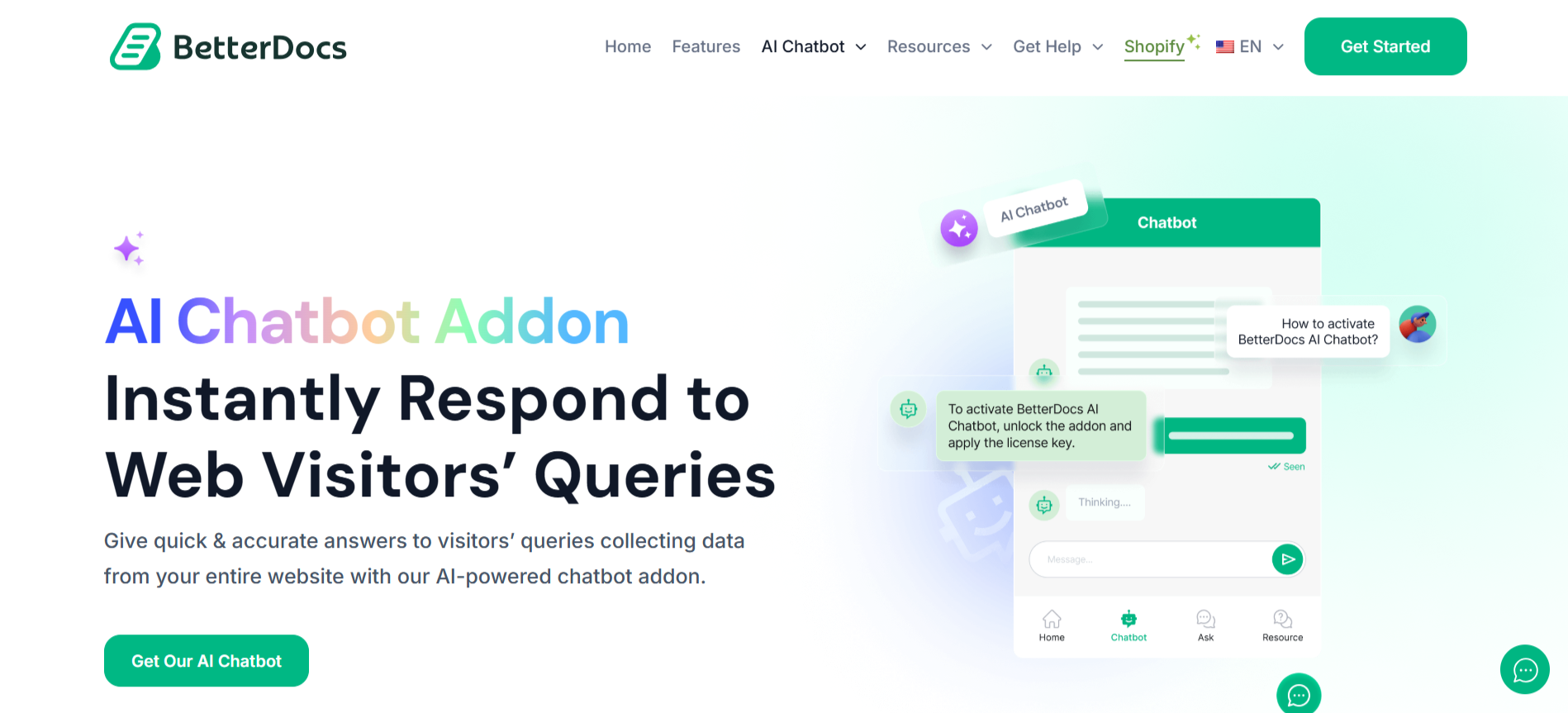
The key to making this work is writing a clear conversation flow that mirrors how your best sales reps qualify leads on a call. The AI does the rest.
Tip 3: Automate Personalized Email Outreach with AI Marketing Automation
AI email marketing automation has moved far beyond simply scheduling emails in advance. In 2026, AI can write personalized subject lines, determine the best send time for each contact and automatically adjust the follow-up sequence based on whether a recipient opened, clicked or ignored your previous message.
Why Generic Email Blasts No Longer Work?
The average professional receives over 121 emails per day. A generic email that addresses someone as ‘Dear Valued Customer’ or promotes a product with no connection to their actual needs is going to be deleted within seconds. Hyper-personalization in marketing is now a baseline expectation, not a premium feature.
AI can help marketing teams craft personalized, direct messages to prospective customers that go beyond job title and industries. Some specific examples include emails, advertisements, landing pages and more, all specifically tailored to one user.
An email subject line and body copy might be based on the recipient’s past interactions, the industry they work in or their demographics. The result is highly targeted outreach where recipients only get relevant product or service messaging.
How to Build an AI-Powered Email Outreach System?
Follow these steps to launch your AI marketing automation email strategy:
- Segment your contact list using AI-driven criteria such as industry, past behavior, company size and engagement history.
- Use an AI writing assistant to generate personalized subject lines and email body copy at scale.
- Set up behavior-triggered sequences so that a prospect who visits your pricing page automatically receives a relevant follow-up email within minutes.
- A/B test subject lines, CTAs and send times automatically using AI optimization features built into your email platform.
- Monitor deliverability and engagement metrics weekly and let the AI refine your approach over time.
The Results You Can Expect
Companies that invest in AI email marketing automation typically see significant improvements in open rates, click-through rates and reply rates compared to manual outreach. AI-powered personalization across email and other channels is among the top drivers of improved marketing performance in 2026. When your emails feel relevant and timely, more people respond and more leads move down your AI sales funnel.
Tip 4: Implement Buyer Intent Data to Reach Prospects at the Right Moment
Buyer intent data is one of the most underutilized assets in modern AI-powered lead generation. It tells you which companies and individuals are actively researching topics related to your product or service right now, before they ever fill out a form on your website.
What Is Buyer Intent Data?
Buyer intent data is collected from third-party platforms, review sites, content consumption patterns and search behavior across the web. When a company starts heavily researching ‘AI CRM software’ or ‘B2B lead generation tools,’ intent data providers like Bombora or G2 Buyer Intent can detect these signals and alert your sales team.
This gives you a significant competitive advantage. Instead of waiting for prospects to come to you, you can reach out at the exact moment they are in buying mode.
How AI Makes Intent Data Actionable?
Raw intent data on its own is just noise. AI transforms it into a ranked and prioritized list of accounts that your sales team should contact this week. Here is how the process works in practice:
- Your AI-powered CRM ingests intent data signals from third-party providers.
- Machine learning models cross-reference those signals with your existing ICP criteria and predictive lead scores.
- The system surfaces a shortlist of high-priority accounts showing strong buyer intent data for your category.
- Your sales team receives automated alerts with talking points customized for each account based on the topics they have been researching.
- AI prospecting tools then help reps craft personalized outreach messages that reference those specific pain points.
Why This Matters for B2B Lead Generation
Timing plays a critical role in AI-driven B2B lead generation.The average B2B buying cycle involves six to ten decision-makers and can take weeks or months. Reaching the right stakeholder at the beginning of their research phase, before your competitors do, dramatically increases your chances of being included in their shortlist.
Building an ideal customer profile helps marketing and sales teams spot patterns and identify the most likely prospects. Once this customer profile has been created, a personalized content approach can be used for lead generation efforts.
Tip 5: Optimize Your AI Sales Funnel Automation for Faster Conversions
All of the previous four tips feed into this final and most comprehensive strategy: building a fully optimized AI sales funnel automation system that moves leads from awareness to conversion with minimal friction and maximum personalization.
What Is an AI Sales Funnel?
An AI sales funnel is a multi-stage lead-nurturing system where AI monitors each prospect’s behavior and automatically delivers the right content, outreach or offer at each stage of the buying journey. It is the backbone of customer journey automation in modern B2B and B2C marketing.
The transition to AI is not about eliminating sales and marketing professionals. It is about augmenting their abilities. AI handles the repetitive, data-heavy tasks that humans find tedious and are less efficient at, including sifting through thousands of potential leads, enriching contact data or sending initial follow-up emails.
This frees up your team to focus on strategic thinking, creative problem-solving and building genuine human connections with the most qualified prospects.
Key Components of an Optimized AI Sales Funnel
A well-built AI sales funnel automation setup includes all of the following working together:
- Awareness Stage: AI-powered content recommendations and retargeting ads serve the right content to the right audience based on behavioral data.
- Consideration Stage: AI chatbots and automated email sequences nurture leads with educational content, case studies and product comparisons.
- Decision Stage: Predictive lead scoring surfaces the hottest leads for immediate outreach, while AI tools help reps personalize their pitch.
- Retention Stage: Automated onboarding sequences and AI-driven success tracking keep customers engaged and reduce churn.
- Expansion Stage: AI identifies upsell and cross-sell opportunities based on usage data and customer behavior patterns.
Sales Pipeline Optimization Through AI
Sales pipeline optimization using AI means your pipeline never goes cold. Automated follow-up reminders, re-engagement sequences for stale leads and dynamic lead routing ensure that no opportunity falls through the cracks. Tools like Salesforce Einstein, HubSpot AI and Pipedrive AI handle much of this automatically once configured correctly.
AI-driven forecasting can improve prediction accuracy by up to 20% over traditional methods, reshaping how organizations plan and project revenue.
Tip 6: A/B Test Messages And Offers with AI Optimization
Use AI-powered A/B testing to constantly refine your messaging and offers so you are not guessing which version works; you are learning from real user behavior at scale. Instead of running one slow test at a time, AI helps you explore more variations, find winners faster, and send more traffic to what actually generates qualified leads.
How AI A/B Testing Supercharges Lead Generation
- Continuously test multiple message angles at once: Rather than only testing a single subject line vs another, AI tools can run several variations in parallel across email, ads and landing pages.
Example: You test three hooks for a free demo: ‘Cut reporting time in half,’ ‘Unlock hidden revenue in your data,’ and ‘Stop wasting hours on spreadsheets.’ The AI quickly identifies that the “hidden revenue” angle brings in more demo requests from decision-makers and automatically directs more impressions to that copy. - Enable AI auto-allocate traffic to winning variants: With traditional testing, you set a 50/50 split and wait; with AI, the system dynamically shifts more traffic to high-performing options as evidence builds.
Example: Two landing page offers compete: a basic PDF guide vs a short interactive calculator. As soon as the calculator page starts driving more qualified signups, the AI engine routes a larger share of ad clicks there without you manually changing settings. - Optimize for lead quality, not just clicks: Modern AI testing platforms can optimize on deeper metrics like demo bookings, pipeline value or trial activation instead of only CTR.
Example: Variant A gets more form fills but leads rarely respond to SDR outreach, while Variant B drives fewer signups but more meetings. The AI model ‘learns’ to treat booked meetings as the main goal and favors Variant B, lifting actual sales opportunities rather than vanity leads. - Rapidly iterate on CTAs, layouts and offer positioning: AI can suggest new variants based on patterns it detects in previous tests, then automatically launch and measure them.
Example: After seeing strong performance from short, action-led CTAs like ‘Get my forecast’ instead of ‘Submit,’ the system creates similar CTA variants across your other pages and tests them, often bumping form completion rates with minimal manual copywriting. - Reduce testing time and wasted budget: Because AI can stop underperforming variants early, you waste less ad spend and email volume on ideas that do not convert.
Example: Instead of waiting two weeks to realize that a discount-focused offer is losing to a value-focused one, the platform flags the underperformer within a few days and cuts its traffic, keeping more of your budget behind the winner.
Best AI Tools for Lead Generation in 2026
Businesses are no longer just competing on product quality or pricing, they are competing on speed, personalization and precision. AI-powered lead generation tools are the secret weapon for sales and marketing teams, enabling them to:
- Automate prospecting and identify high-intent leads in real time.
- Personalize outreach at scale, increasing engagement and conversion rates.
- Predict customer behavior using advanced analytics and machine learning.
- Integrate seamlessly with CRM and marketing automation platforms.
AI‑powered predictive models led to a 25% increase in lead conversion rates and a 30%reduction in customer acquisition costs.
To put this into practice, let’s look at some AI-powered tools that can actively boost lead generation and help teams convert interest into real opportunities:
1. Apollo.io
Apollo’s AI does not just find leads, it understands them, providing insights into buying intent, technographic data and even funding rounds for startups.
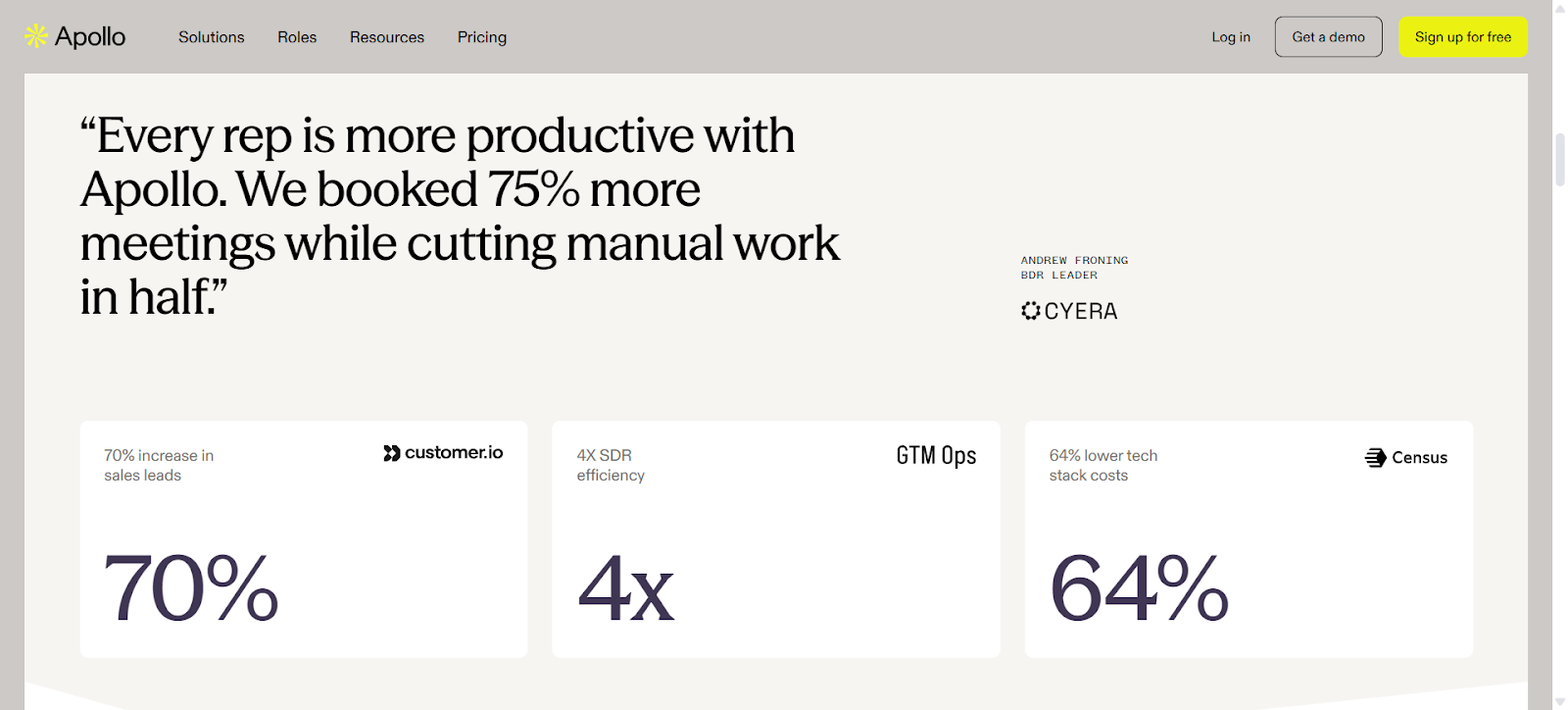
Best for: B2B Sales Teams & Outbound Prospecting
Apollo.io has solidified its position as a leader in AI-driven sales intelligence. Its AI-powered platform offers:
- Real-time contact and company data with over 270M contacts and 60M companies.
- Predictive lead scoring to prioritize high-value prospects.
- Automated multi-channel sequences (email, LinkedIn, calls) with AI-generated copy.
- Integration with Salesforce, HubSpot, and other CRMs.
2. Lavender
Lavender’s AI does not just suggest templates; it adapts to your brand voice and the recipient’s industry, making every email feel handcrafted.
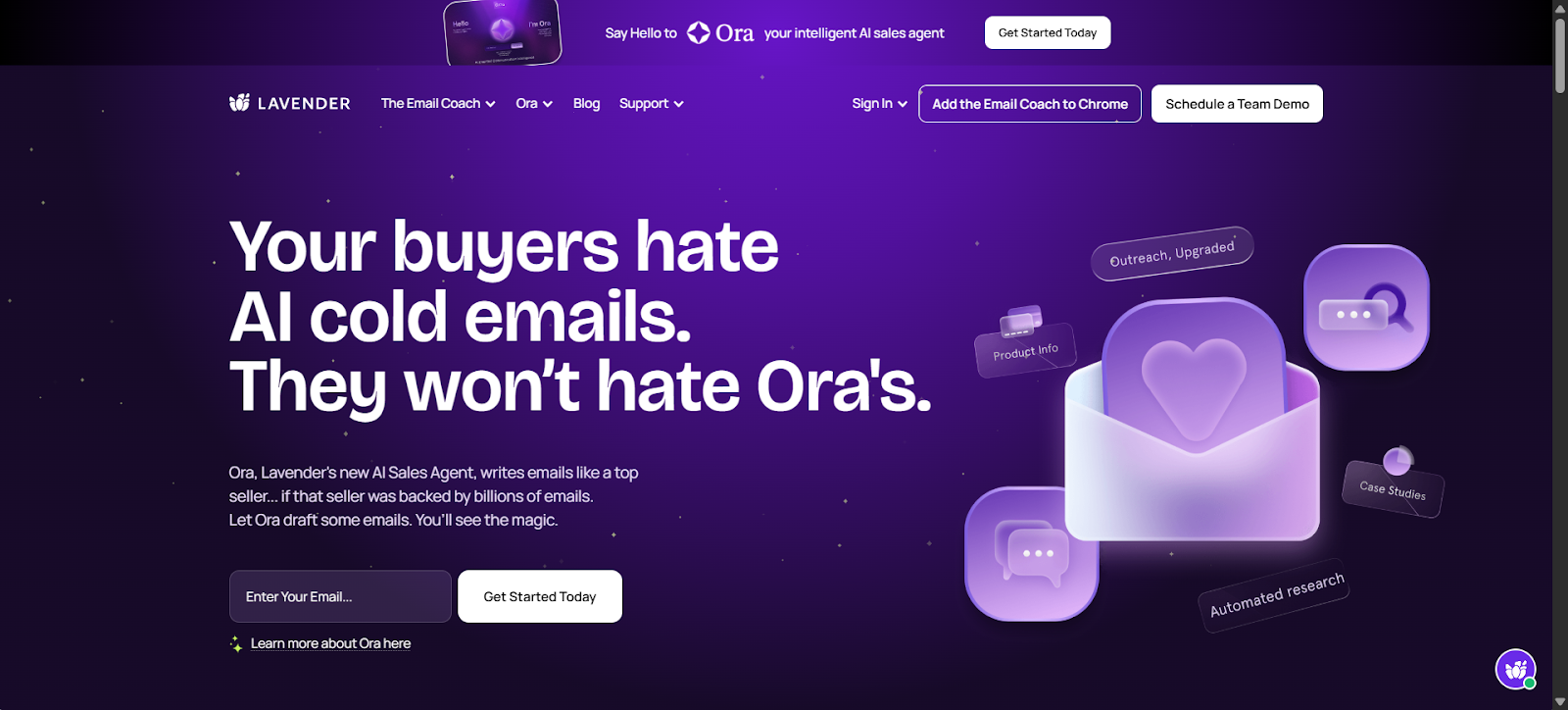
Best for: Email Personalization & Response Rate Optimization
Lavender uses AI to transform your cold emails into high-converting, personalized messages. Key features include:
- Real-time email coaching with suggestions for subject lines, body copy and CTAs.
- Personalization at scale by analyzing prospect data and suggesting relevant talking points.
- Performance analytics to track open rates, reply rates, and engagement.
3. AI Engine (Jordy Meow)
AI Engine is one of the most flexible AI plugins for WordPress. It integrates with OpenAI models and enables chatbot creation directly inside your site.
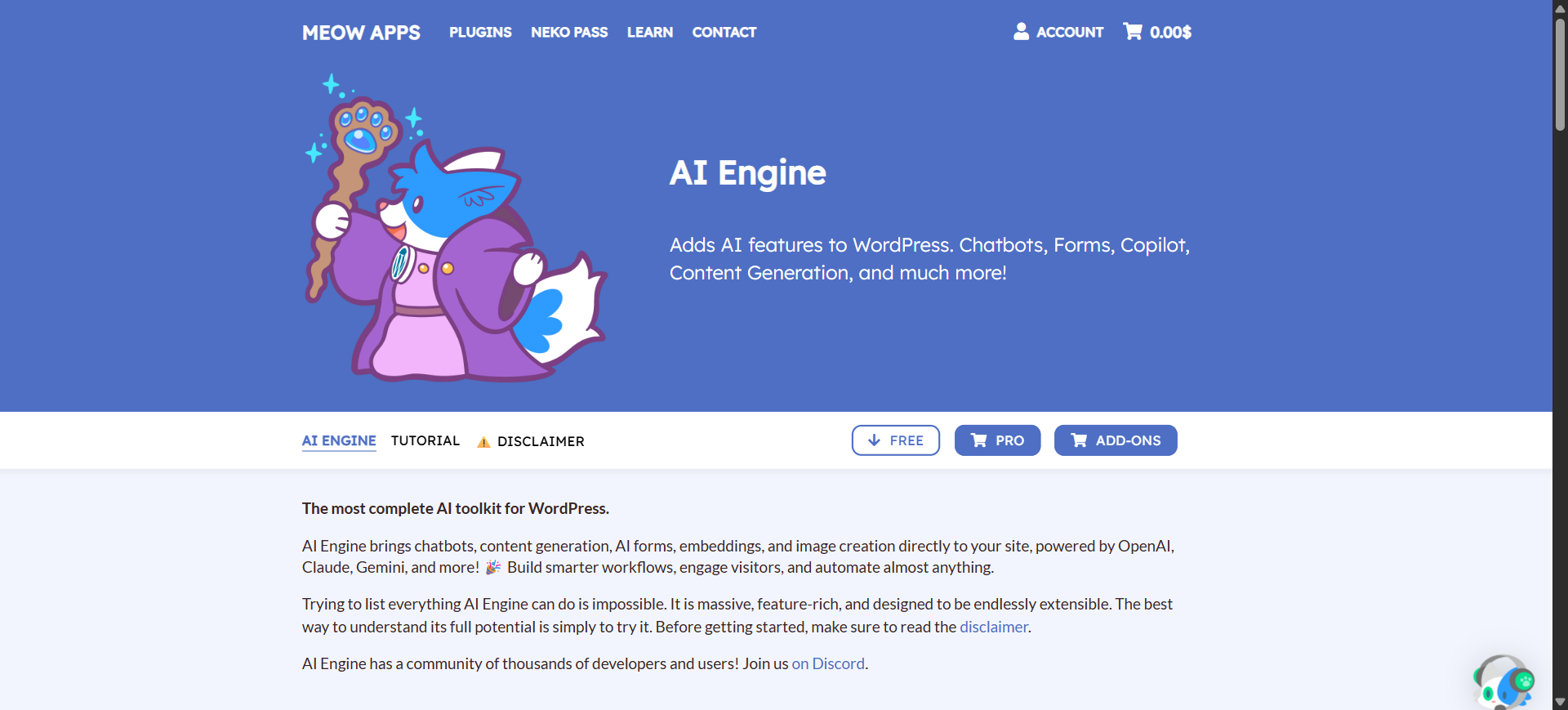
Best for: Instead of waiting for users to fill forms, AI Engine engages them in conversation and qualifies intent instantly.
Key features include:
- AI chatbot for real-time visitor interaction
- Custom prompt-based assistants for sales and support
- Lead capture through conversational forms
- Integration with WordPress content and pages
4. Regie.ai
Regie’s AI learns from your top-performing emails and replicates their success, ensuring your outreach is always data-driven and effective.
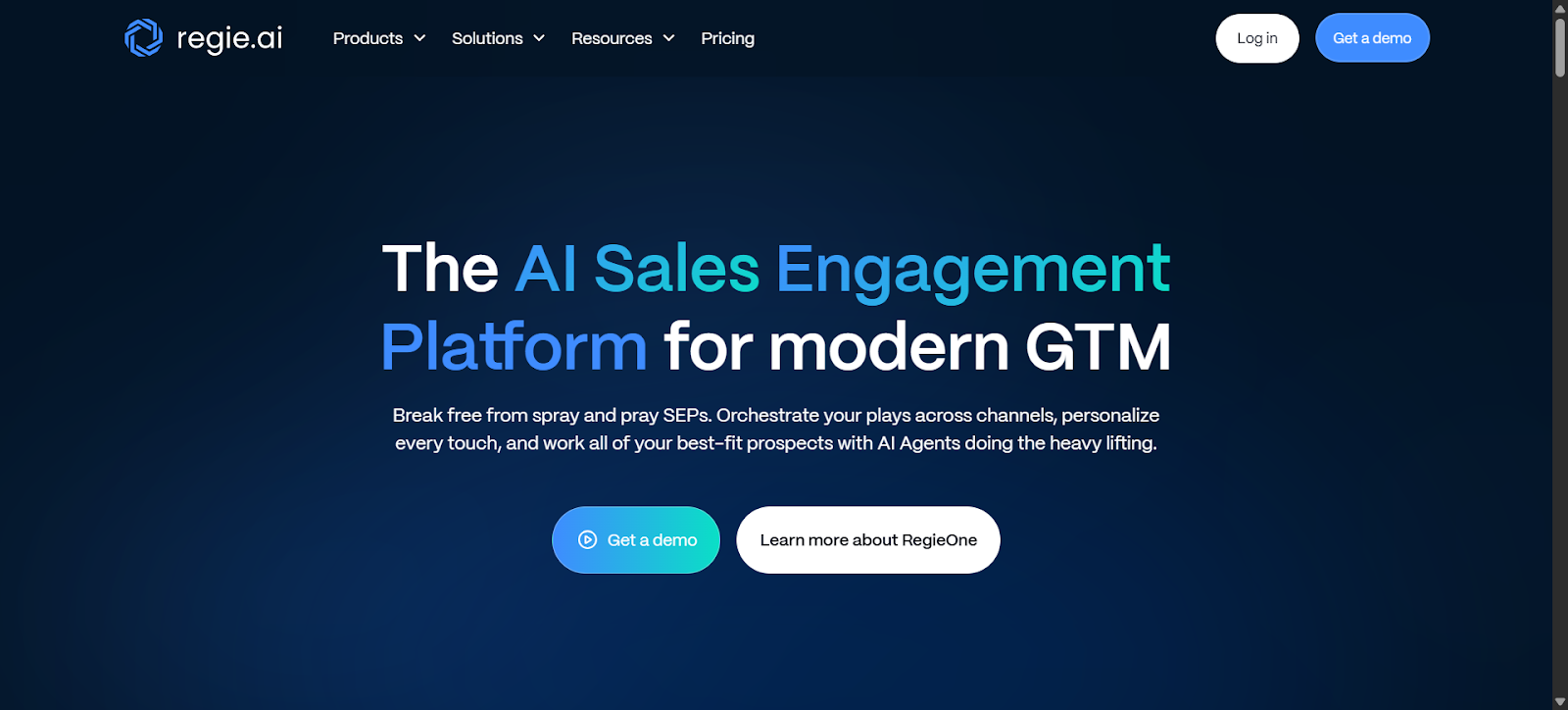
Best for: AI-Powered Sales Outreach & Follow-Ups
Regie.ai helps sales teams move faster by turning prospect data into ready-to-send outreach messages, follow-ups and sequences, so reps spend less time writing and more time closing deals. It is a game-changer for sales teams looking to automate and optimize their outreach. It offers:
- AI-generated email and LinkedIn sequences tailored to each prospect.
- Automated follow-ups with smart timing and messaging adjustments.
- Integration with CRM to sync data and track performance.
5. Crystal Knows
Crystal Knows helps you stand out by making every interaction feel personal and authentic.
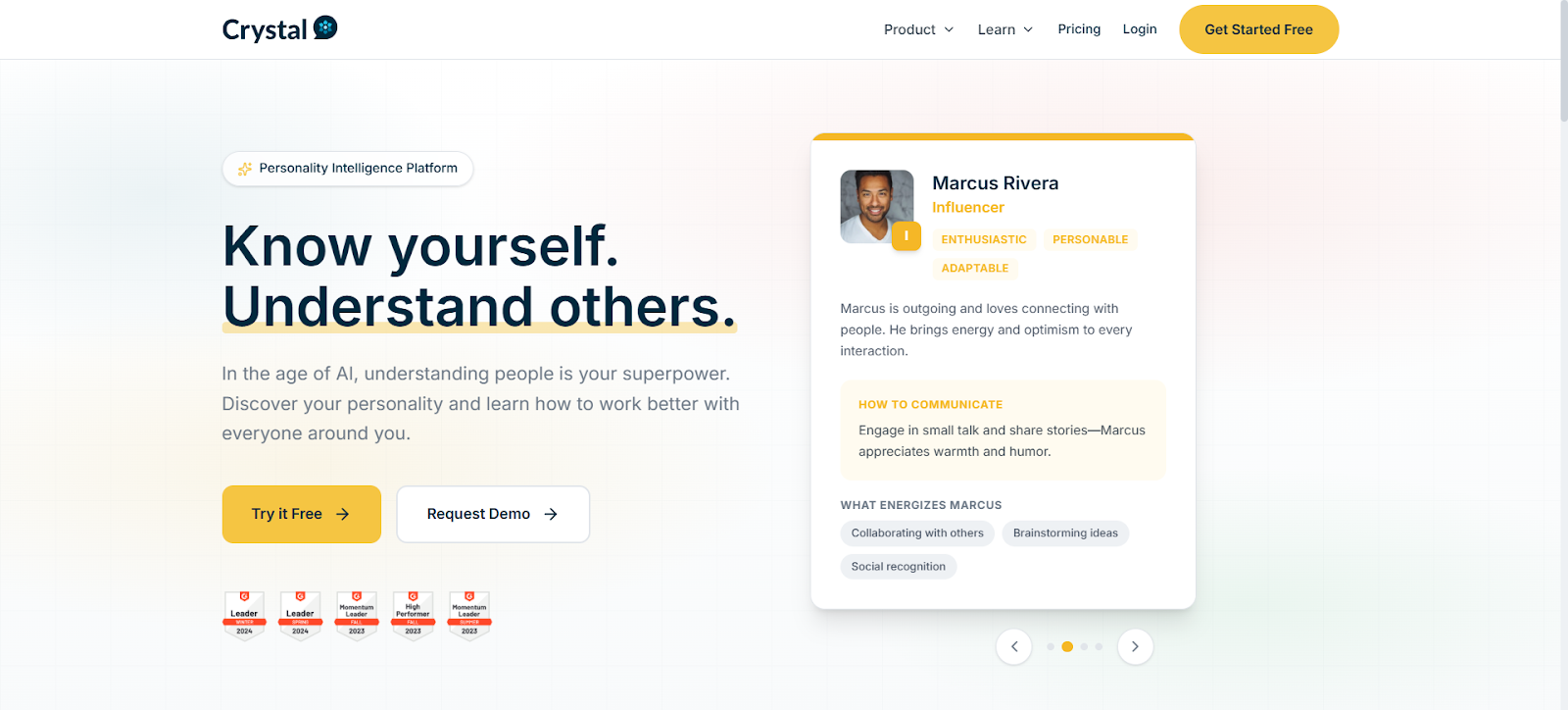
Best for: Personality-Based Outreach
Crystal Knows utilizes AI to analyze personality traits from public data (LinkedIn, Twitter, etc.) and tailors your communication style to match. Features include:
- Personality insights for each prospect, with recommendations on tone, language, and approach.
- Email and LinkedIn message suggestions optimized for the recipient’s personality.
- Team collaboration tools to share insights across sales and marketing.
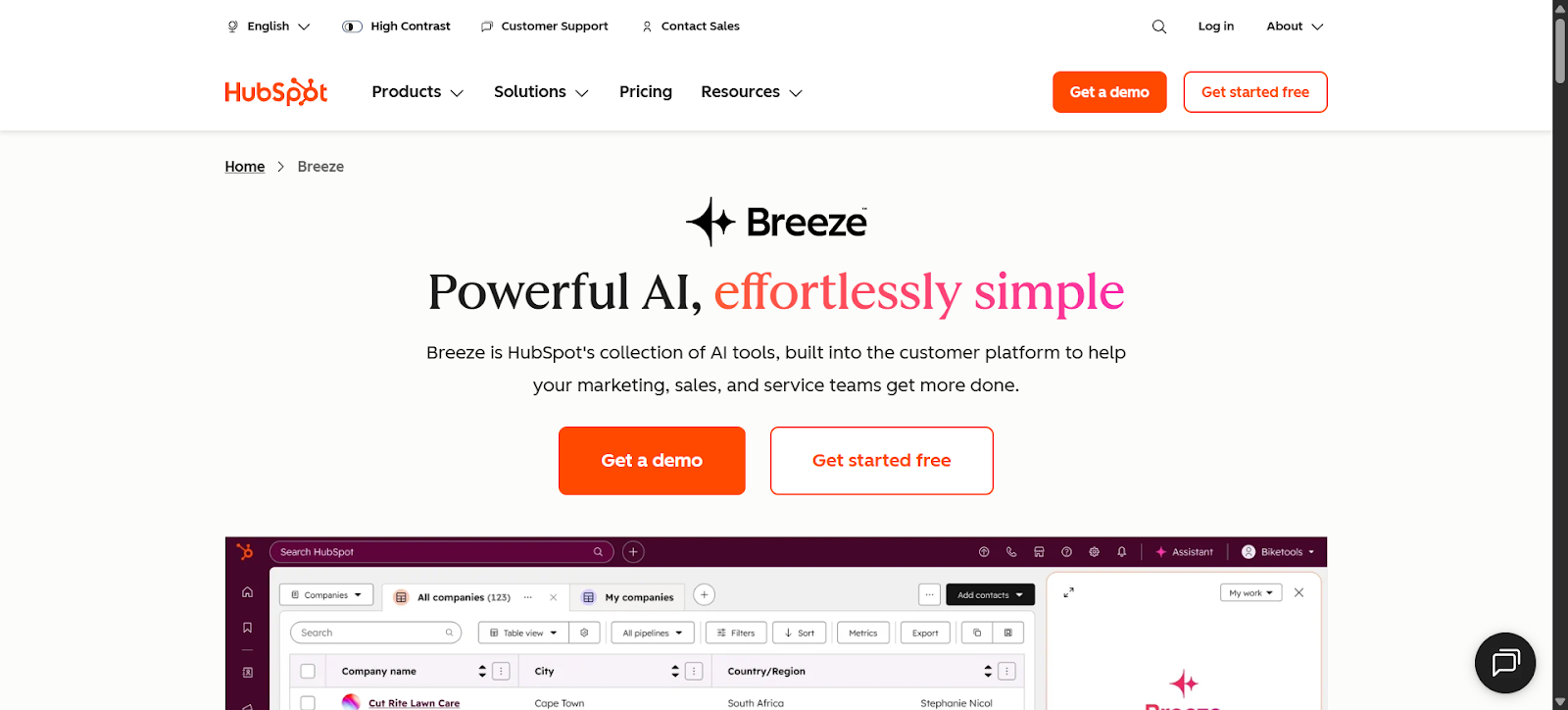
6. HubSpot AI (Content Assistant & ChatSpot)
HubSpot’s AI is fully integrated into its CRM, making it a one-stop shop for inbound and outbound lead generation.
Best for: Inbound Lead Generation & Content Creation
HubSpot’s AI tools are a powerhouse for inbound marketers. With features like:
- AI-powered content creation for blogs, emails, and landing pages.
- ChatSpot, HubSpot’s AI chatbot, is to engage website visitors and qualify leads in real time.
- Predictive lead scoring to identify the most promising prospects.
7. Botpress (AI Chatbot Integration)
Botpress is a powerful conversational AI platform that can be integrated into WordPress websites.
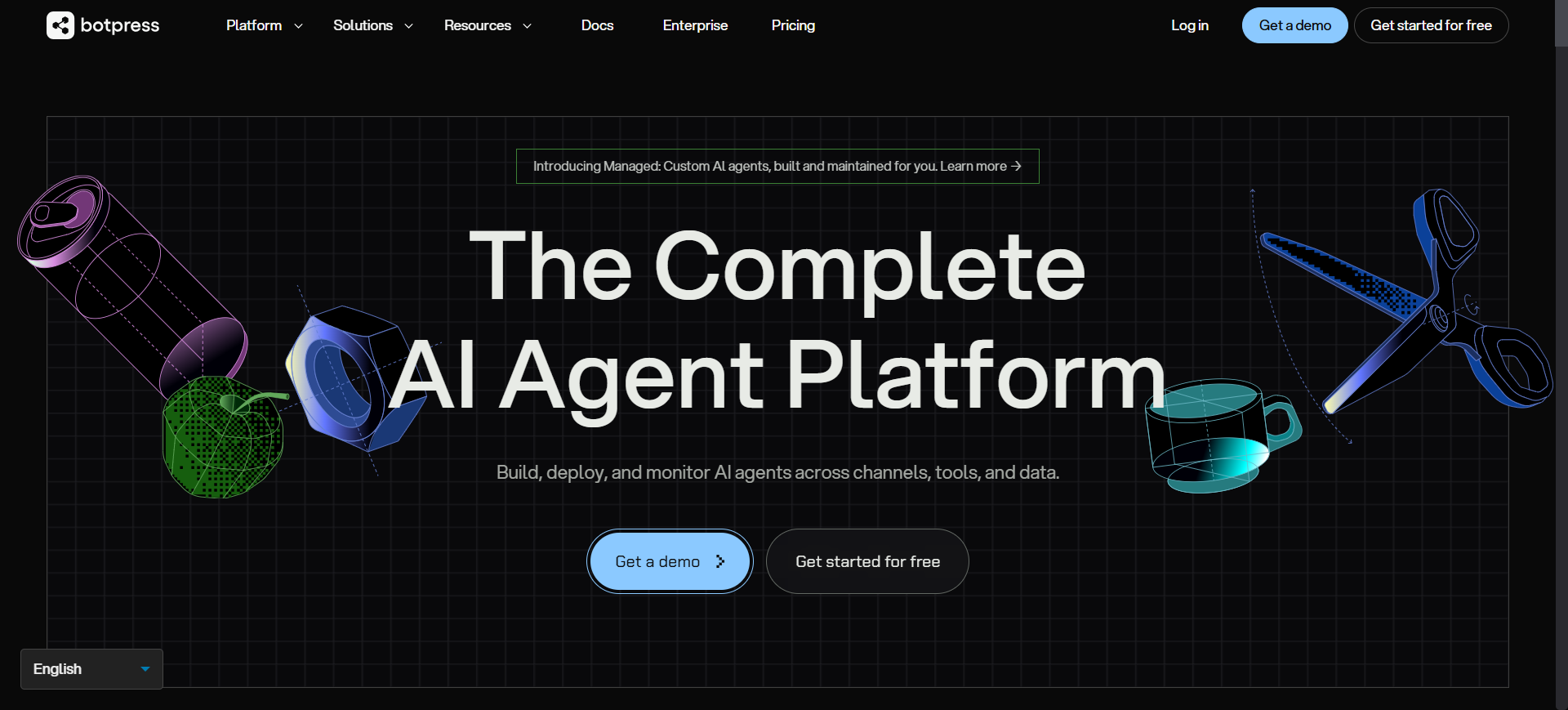
Best for: It is ideal for businesses that want deep customization in how leads are captured and qualified.
With features like:
- Advanced AI conversation flows
- Natural language understanding
- API and plugin-based integration
- Highly customizable chatbot logic
Common Mistakes to Avoid with AI Lead Generation
Before jumping into a new AI tool, a business should evaluate its current lead generation process, weighing all of the current features to identify opportunities for improvement. Not all AI tools are one-size-fits-all and a business must consider which features fit their business needs best.
Even with the best tools available, many businesses make avoidable mistakes when rolling out their AI lead generation strategy.
Most common ones and how to sidestep them:
- Skipping Data Hygiene: AI models are only as good as the data they train on. Dirty CRM data, duplicate contacts and outdated records will produce inaccurate lead scores and poor targeting. Clean your database before implementing any AI tool.
- Over-automating Human Touchpoints: AI should support your sales reps, not replace them entirely. High-value deals still require genuine human conversation and relationship-building at some stage of the funnel.
- Ignoring Model Performance Over Time: AI models need regular review and recalibration. A model trained on last year’s data may not reflect how your buyers behave today.
- Using AI without a Clear ICP: If you have not defined who your ideal customer is, your AI tools will optimize for the wrong targets. Always start with a clear ICP before layering in AI.
- Measuring the Wrong Metrics: Track lead quality metrics like Sales-Qualified Lead (SQL) rate and conversion-to-close rate, not just lead volume. More leads does not always mean better results.
The Future of AI Lead Generation
AI is reshaping how businesses attract and convert leads by making targeting smarter, outreach faster and personalization more precise. The future of lead generation is shifting toward fully data-driven systems where AI helps teams focus on high-intent prospects and improve conversion efficiency at scale.
AI lead generation is evolving rapidly. Here are the key trends shaping the next phase of this space:
| AI Capability Area | What It Does | Impact on Lead Generation |
| Generative AI for hyper-personalized outreach | Creates fully customized outreach sequences based on prospect data like LinkedIn activity, company updates, and job changes | Increases reply rates by making outreach highly relevant and timely |
| Multi-channel AI lead generation | Connects email, LinkedIn, ads, and SMS into one coordinated system that adapts based on user responses | Improves engagement by maintaining consistent messaging across channels |
| AI-powered CRM systems | Acts as a predictive system that suggests who to contact, when to reach out, and what message to send | Helps sales teams focus on the highest-value opportunities at the right time |
| Conversation intelligence tools | Analyzes sales calls and meetings to extract objections, competitor mentions, and next steps automatically | Improves future outreach quality and refines lead qualification strategies |
Start Building Your AI-Powered Lead Generation Engine
You do not need to overhaul your entire marketing stack overnight. Start with one tip from this guide. Implement predictive lead scoring to clean up your pipeline or deploy an AI chatbot to capture leads you are currently losing after hours. Each step you take builds momentum toward a fully optimized AI sales funnel that generates better leads, faster and at a lower cost.
Your competitors are already exploring these strategies. The businesses that act now will have the data, the systems and the compounding advantages that make it harder and harder for late movers to catch up.
Is this blog helpful? Join our Facebook community to stay updated with the latest blogs, product reviews and WordPress solutions. Subscribe to our blog for in-depth tutorials, tips and visit our social media platforms for the newest updates.
Frequently Asked Questions (FAQs) About Lead Generation using AI
Check out the most frequently asked questions about lead generation using AI:
How Does AI Improve Lead Quality?
Can Small Businesses Use AI for Lead Generation?
How Do I Start Automating Lead Generation with AI?
Is AI Lead Generation Safe And Compliant?
Always review the data handling policies of any tool you implement and ensure your outreach practices comply with anti-spam regulations in your region.