Ever notice how Google and AI chatbots now answer your questions instead of just listing websites? That shift is powered by Answer Engine Optimization (AEO), the next change of SEO. If you want your content to surface in AI-generated responses, smart snippets or voice assistants, you need to start writing for machines that think like humans. In this guide, we will show you how to optimize your content for Answer Engines and AEO.
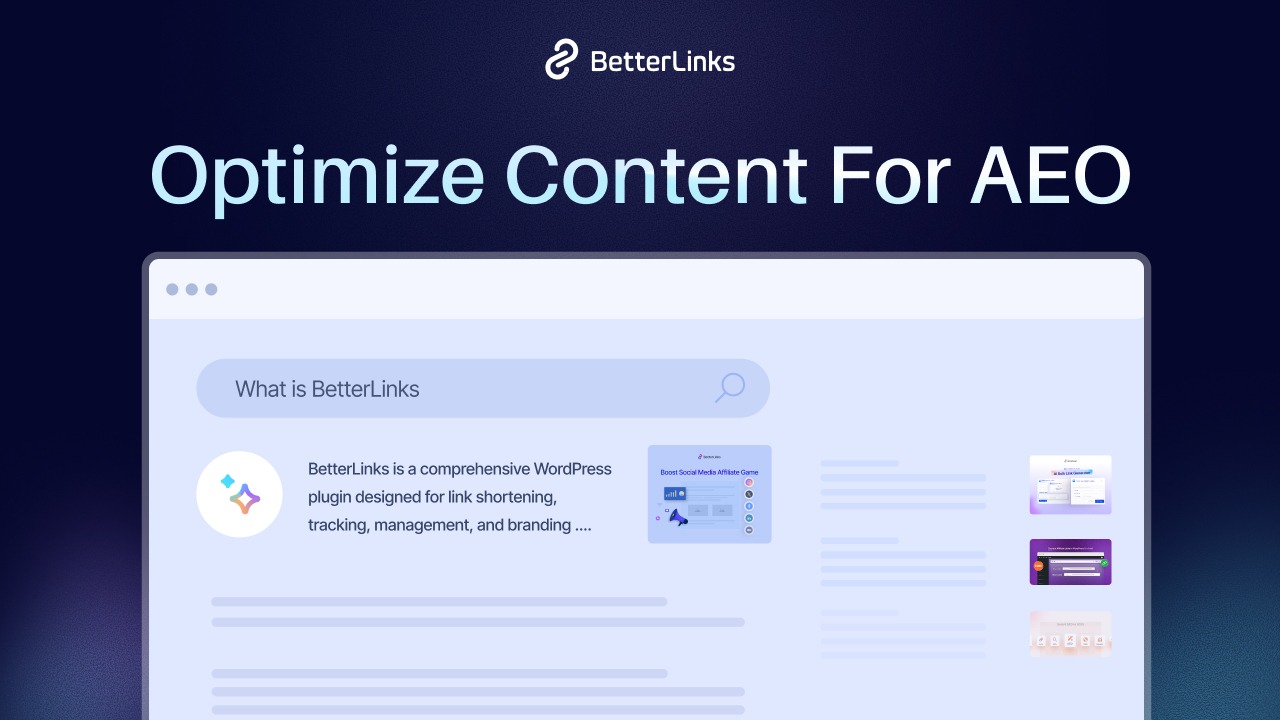
By using AEO strategies, you can make sure your content appears in AI-generated answers, voice search and featured snippets. Learn how to optimize content for Answer Engine (AEO) and improve your chances of appearing in AI-generated answers. Let us get your content ready for the future of search.
Quick Summary (TL;DR)
Too Long; Didn’t Read? Here’s what you need to know:
Quick Comparison Table: SEO vs AEO
| Aspect | SEO | AEO |
| Focus | Keywords and rankings | Direct answers and clarity |
| Content Structure | Flexible | Structured with headings & lists |
| Language Style | Optimized for humans | Clear, concise, and AI-friendly |
| Data Use | Optional | Relevant stats, examples, and facts |
| Goal | Traffic | Engagement and visibility in answers |
📌 Key Points
- Give clear, direct answers.
- Use headings, lists and tables.
- Keep language simple.
- Add examples or stats.
- Combine SEO with AEO.
🎯 Practical Tips
- Find common audience questions.
- Match headings to user intent.
- Organize content with lists and tables.
- Use structured data (schema).
- Track AI answer visibility and update.
What Is Answer Engine Optimization (AEO)?
Answer Engine Optimization (AEO) helps your content show up as direct answers when people ask questions in AI tools. Instead of pushing users to click through pages, you focus on giving clear, accurate responses that AI systems can extract and present instantly.
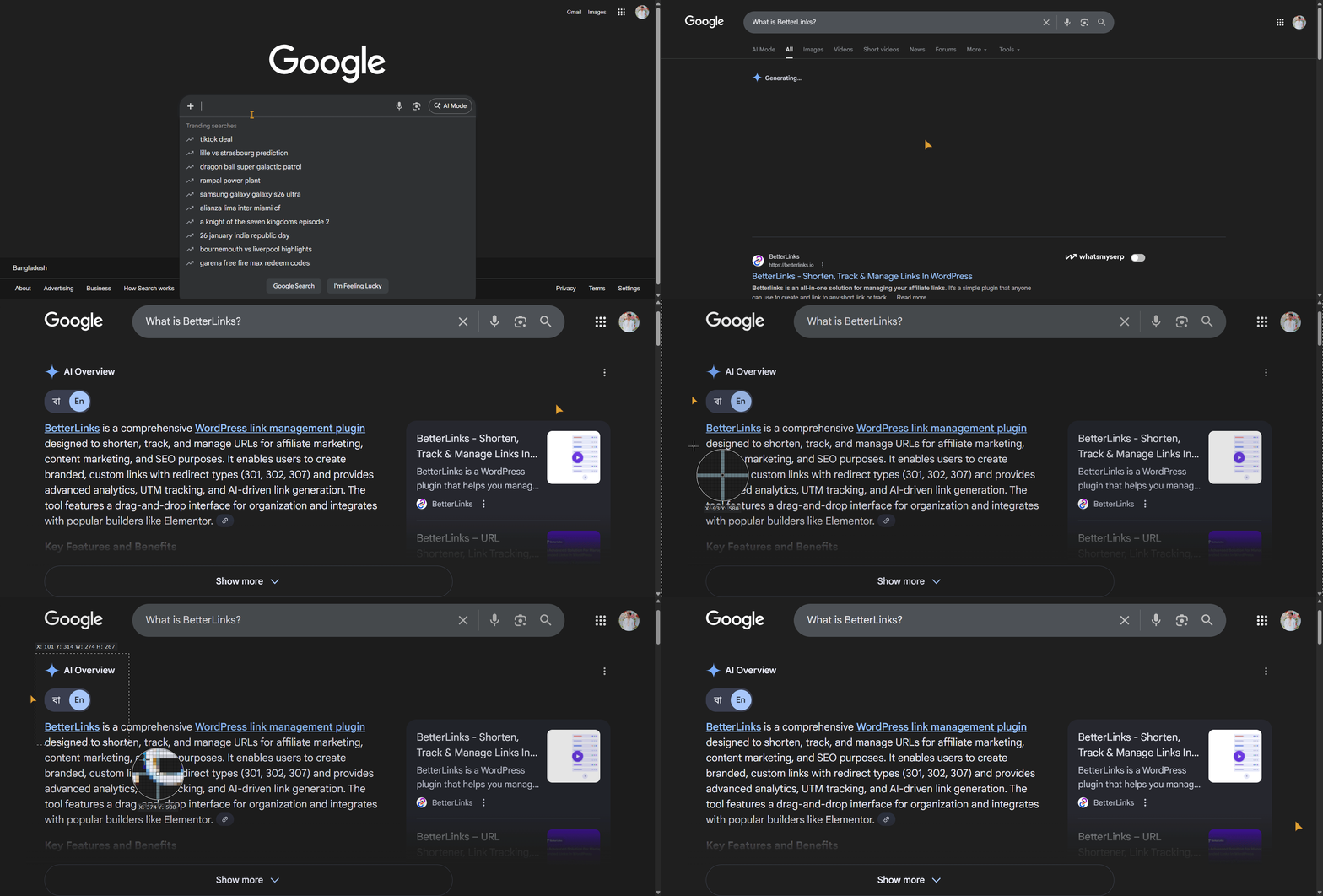
With AEO, you structure your content around real questions, place the answer upfront, and support it with concise context. When your content is easy to understand and easy to extract, AI platforms like ChatGPT, Google AI and Perplexity are more likely to surface your answers and mention your brand.
Why Does Answer Engine Optimization Matter in 2026?
Answer Engine Optimization (AEO) matters more than ever in 2026 because search is no longer just about links; it’s about answers. With AI-driven tools like Google’s SGE, ChatGPT Search, and Perplexity reshaping how people find information, users now expect instant, context-rich responses instead of scrolling through multiple sites. A study shows that 37% of consumers now start searches with AI instead of traditional search engines like Google. Additionally, 83% of users find AI search tools more efficient than conventional search.
These statistics clearly highlight a growing trend: millions of users now prefer AI tools over traditional search methods. By optimizing your content for these platforms, you can increase brand mentions, boost visibility and establish authority in your niche. Answer engines pull information from trusted sources and proper optimization helps you become one of those trusted sources.
What Is the Difference Between AEO And SEO?
While Search Engine Optimization (SEO) and Answer Engine Optimization share some common goals, they differ significantly in approach and execution. Traditional SEO focuses on improving your website’s ranking on search engine results pages through keywords, backlinks and technical optimization. The primary goal is to get users to click through to your website.
AEO is about structuring content so AI can easily select and surface the answer. Answer engines need to quickly understand your content, extract relevant information and present it as a direct answer. This requires a fundamental shift in how you structure and write your content.
Here are the key differences between AEO vs SEO:
| Aspect | AEO (Answer Engine Optimization) | SEO (Search Engine Optimization) |
| Main Objective | Provide direct answers to user queries | Rank web pages in search results |
| Primary Focus | Question-based content and clear answers | Keywords and search intent |
| Content Structure | Short answers placed near the top | Long-form content with sections |
| Optimization Target | AI and answer engines | Search engine result pages |
| Key Platforms | ChatGPT, Perplexity, Google AI, Bing Chat | Google Search, Bing Search |
| Success Metric | AI citations and brand mentions | Rankings, clicks, and traffic |
| User Action | Consumes answers instantly | Clicks through to websites |
| Content Style | Direct, factual, easy to extract | Informative, persuasive, in-depth |
| Update Frequency | Frequent updates for freshness | Periodic updates for rankings |
| Measurement Approach | Prompt testing and AI visibility | Analytics and search console data |
GEO vs AEO: Understanding the Difference
If you have been hearing about GEO and AEO in content and SEO circles, it can get a bit confusing. Let us break it down in simple terms.
What Is GEO?
GEO or Generative Engine Optimization, is all about making your content AI-friendly. It means writing and structuring your content so AI tools like ChatGPT, Google Gemini or other AI content creators can easily read, understand, and use it. This helps your content show up in AI-generated suggestions, summaries, or recommendations, making it more discoverable and useful for users.
- Focuses on creating content AI can generate or reference
- Helps your content appear in AI-driven suggestions, summaries, or recommendations
- Works well for long-form content, blogs or detailed guides
How Is AEO Different from Generative Engine Optimization (GEO)?
While GEO and AEO both involve AI-friendly content, they serve different purposes:
- GEO is about creating content AI can reference or expand
- AEO is about giving direct answers that AI can deliver immediately
- GEO suits detailed articles and blogs; AEO suits FAQs, instructions and voice search responses
- Using both together ensures your content reaches users both through AI suggestions and instant answers
Key Differences Between GEO and AEO
| Aspect | GEO | AEO |
| Goal | Optimize for AI content generation | Optimize for direct answers |
| Content Style | Detailed, structured for AI understanding | Concise, focused on quick answers |
| Best For | Blogs, guides, AI-powered recommendations | Voice search, FAQ sections, quick answers |
| Example | AI suggests your recipe blog in response to a general cooking query | Voice assistant reads a 50-word answer to “How to reset a router?” |
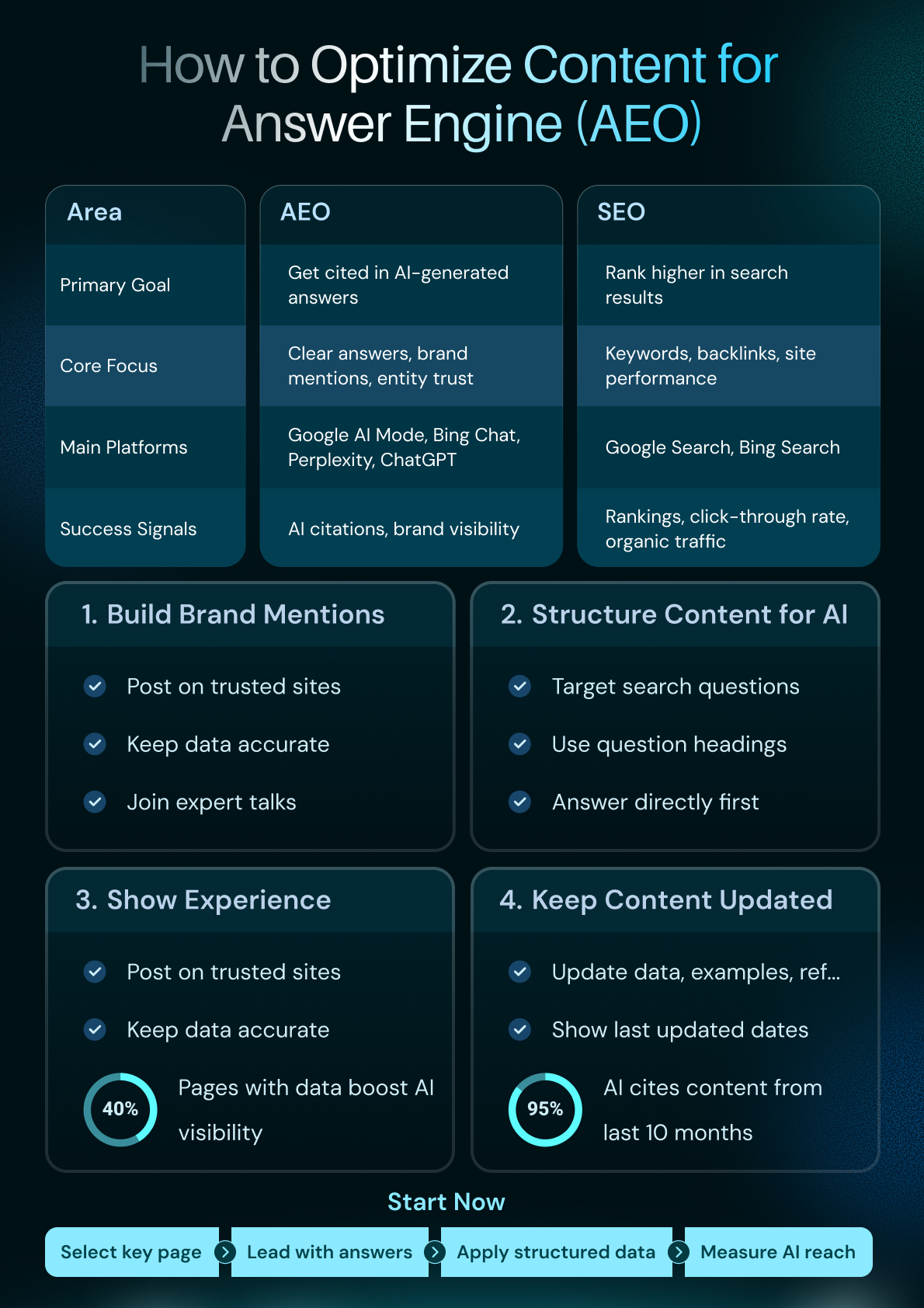
How Do You Optimize Content for Answer Engines (AEO)?
With search engines evolving, it is no longer just about ranking high in search results. Answer engines like Google AI, ChatGPT and Bing Chat are now providing direct answers to user queries. To stay visible, you need to know how to optimize content for Answer Engine. This step-by-step guide will walk you through the best practices to ensure your content gets featured in AI-generated answers, improving your visibility and reach.
1. Start with Question-Based Headings
Answer engines respond to user queries that are typically phrased as questions.
This simple change makes your content more discoverable to answer engines. Research the questions people ask in your niche using tools like Google Search Console, Answer the Public or Keywords People Use. Look at what appears in the ‘People also Ask’ section of Google. These questions reveal exactly what answer engines are trying to solve for users. Building your content structure around these queries ensures alignment with how AI tools process information.
- People search using specific questions, like “how to optimize content for answer engine” or “what is AEO content strategy,” rather than vague keywords.
- Your headings should reflect this conversational style.
- Instead of a generic heading like “Content Freshness,” use a more specific question, such as “How Often Should You Update Content for AEO?”
2. Provide Direct And Concise Answers
Answer engines prefer content that gives clear answers quickly. The first two or three sentences under each heading should directly answer the question. This approach helps optimize content for AEO and improves AI visibility. Before adding details, always start with a clear answer.
- Place the main answer at the top of each section. This helps AI tools extract the answer easily.
- Keep answers short and focused. Aim for 40 to 60 words for best results in voice search and featured snippets.
- Add extra details after the main answer. Examples and explanations can come later if needed.
3. Use Structured LLM Formatting
Well-structured content is easier for both users and answer engines to understand. Structured formatting improves readability and supports content optimization for answer engines. Before choosing a format, think about how the information should be presented.
- Use numbered lists for steps or processes. They show clear order and sequence.
- Use bullet points for features or benefits. They break information into simple parts.
- Use tables for comparisons. Tables are easy for AI tools to scan.
- Keep paragraphs short. Three to four sentences work best.
4. Implement Schema Markup Properly
Schema markup helps answer engines understand your content better. It turns content into structured data that AI tools can read clearly. Schema can be added using plugins or Google tools. Always test it using Google Rich Results Test to avoid errors. Before adding a schema, choose the right type.
- Use FAQ schema for question-based content. It helps AI tools pull direct answers.
- Use HowTo schema for guides and steps. This works well for instructional content.
- Use Article and Organization schema. These support authority and trust signals.
5. Focus on Entity-Based Optimization
Answer engines understand topics through entities, not just keywords. Entities include tools, brands and concepts. Entity-based optimization helps answer engines understand what your content is truly about. Before writing, identify your main entities.
- Use entity names clearly and consistently. Examples include Answer Engine Optimization, ChatGPT, SEO and schema markup.
- Connect related entities naturally. Explain how AEO relates to SEO and AI tools.
- Link to trusted sources when needed. Authoritative links help AI verify context.
6. Maintain Content Freshness And Authority
Fresh and accurate content performs better in answer engines. AI tools prefer content that is regularly updated. Fresh and authoritative content strengthens your AEO content strategy over time. Before publishing, plan for updates.
- Update content every 3 to 6 months. This keeps information current.
- Improve sections based on user queries. Google Search Console can show what users search for.
- Show expertise and trust. Use reliable sources and real experience.
- Track brand mentions and citations. Mentions from trusted sites improve authority.
7. Optimizing for Specific AI Tools And Platforms
Optimizing content for different AI tools like Google AI Overviews, ChatGPT and Bing Chat requires unique strategies. Each platform operates differently and understanding how to tailor your content for each will help increase your chances of appearing in AI-generated answers.
Google AI Overviews Optimization
Google AI Overviews appear at the top of search results, providing AI-generated summaries before traditional listings. These overviews pull information from multiple sources to deliver direct answers to user queries. How to optimize for Google AI Overviews:
- Target Informational Queries: Google AI Overviews often appear for how-to questions, definitions, and comparison queries. Focus your content on these types of informational questions to align with the AI Overview algorithm.
- Answer Questions Early: Structure your content to provide clear and definitive answers within the first paragraph. Google’s AI looks for direct, authoritative answers. Avoid hedging or vague statements.
- Use Descriptive Subheadings: Match your subheadings to the exact phrases people search. For example, if someone searches for “how to optimize content for answer engine,” use that exact phrase as your heading. This boosts topical relevance and helps AI tools match your content to specific queries.
- Support with Data and Evidence: Include statistics, dates, and credible sources in your answers. AI Overviews often pull factual data, so including this near your main answers builds authority and aligns with Google’s AI requirements.
ChatGPT And Conversational AI Optimization
ChatGPT and similar conversational AI tools process information differently from traditional search engines. These AI tools rely on real-time web browsing and large datasets for answering user queries. How to optimize for ChatGPT and conversational AI:
- Write in a Conversational Tone: ChatGPT processes natural language very well, so write in a straightforward, easy-to-understand style. Avoid jargon and complex sentences to ensure clarity for both AI and users.
- Provide Self-Contained Answers: ChatGPT often pulls entire sections of text that stand alone. Each part of your content should answer its topic fully without relying on information from other sections.
- Structure Content with Clear Relationships: Use clear headings, subheadings, and transitional phrases to link ideas together. This helps ChatGPT understand how different pieces of information connect, improving response accuracy.
Bing Chat And AI Mode Strategies
Bing Chat, integrated into Bing search results, offers excellent opportunities for visibility and referral traffic. Optimizing for Bing Chat requires an understanding of Microsoft’s unique approach to AI-powered search. How to optimize for Bing Chat:
- Focus on Credibility and Sources: Bing Chat values content from authoritative websites and sources with strong backlink profiles. Ensure your content is well-researched and linked from reputable sites.
- Emphasize Freshness: Bing Chat favors current, time-sensitive content. Regularly update your articles and clearly mark publication and update dates. This shows Bing that your information is fresh and relevant.
- Create Content Clusters: Instead of isolated articles, create content clusters around core topics. Having multiple related pages helps Bing Chat pull information from your site and strengthens your overall authority on a subject.
How to Measure Your Content Is Optimized for AEO
You need to track whether it is being featured in AI-driven search results to know if your content is working well for Answer Engine Optimization (AEO). AI-powered platforms like Google AI, ChatGPT and Bing Chat pull answers directly from content they trust. Here’s how you can check if your content is being selected for AI-generated answers.
Tools to Track AEO Success
Track how well your content performs in AI-driven search with the right AEO tools. These tools help you measure visibility, answer accuracy and engagement across answer engines so you can refine strategy and prove impact.
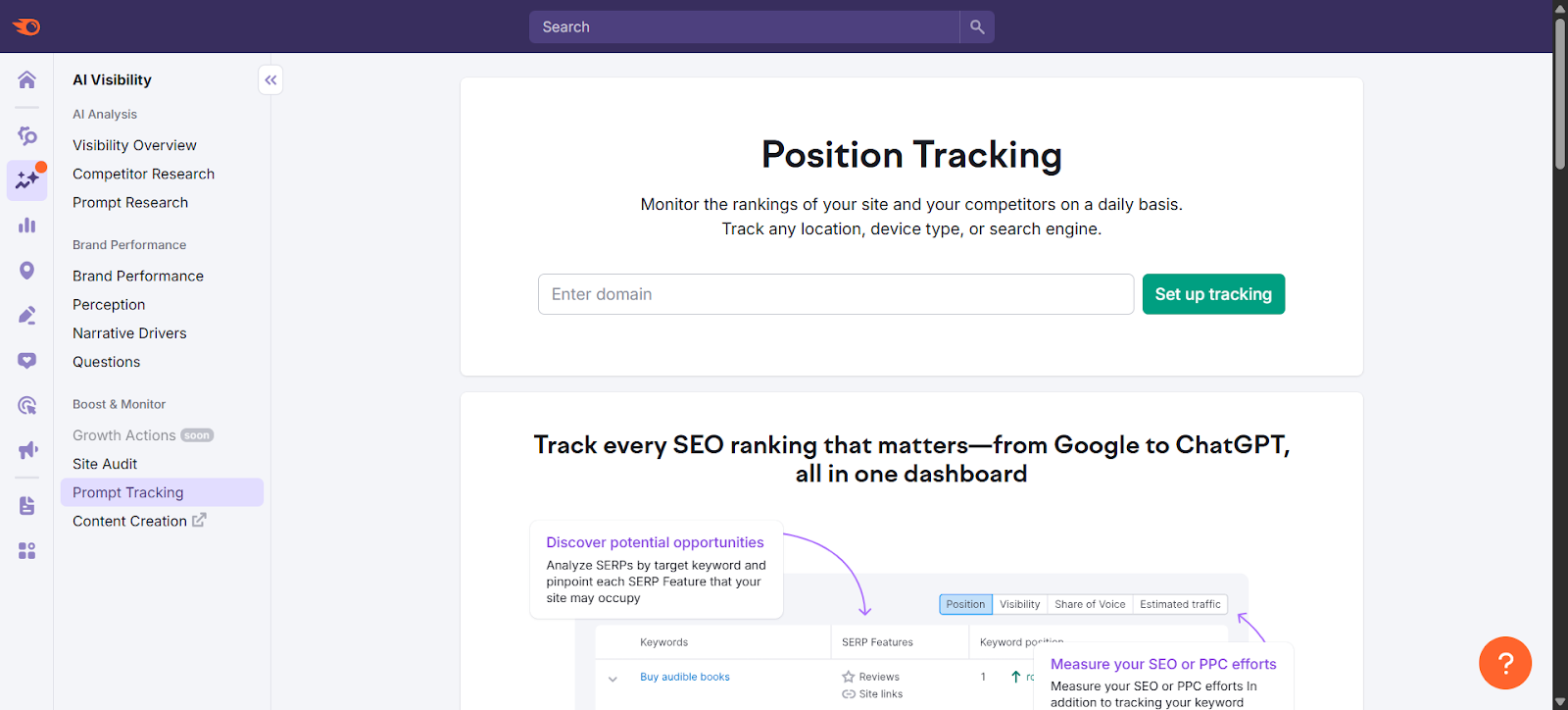
🟠 Semrush: Semrush helps you track how well your content ranks in AI-driven results. You can use the Position Tracking tool to see if your pages are showing up in Featured Snippets or other AI-driven features.
Set up Position Tracking, enter your keywords and check if your content appears in AI-generated answers or Featured Snippets.
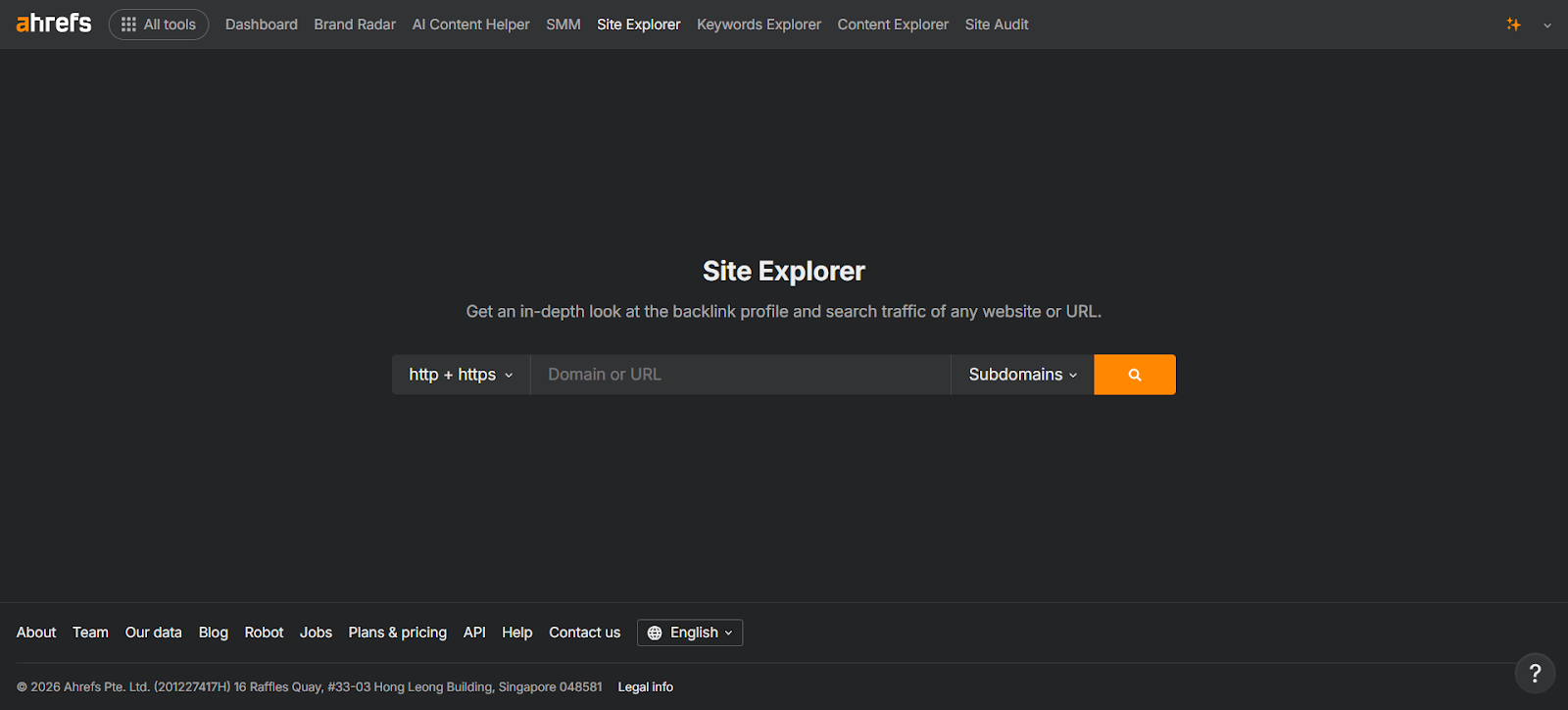
🔵 Ahrefs: Ahrefs can track the visibility of your content. It shows if your pages are appearing in Featured Snippets or People Also Ask, which are important for AEO.
Use Site Explorer to track keyword rankings and see if your content is being selected for AI answers or snippets.
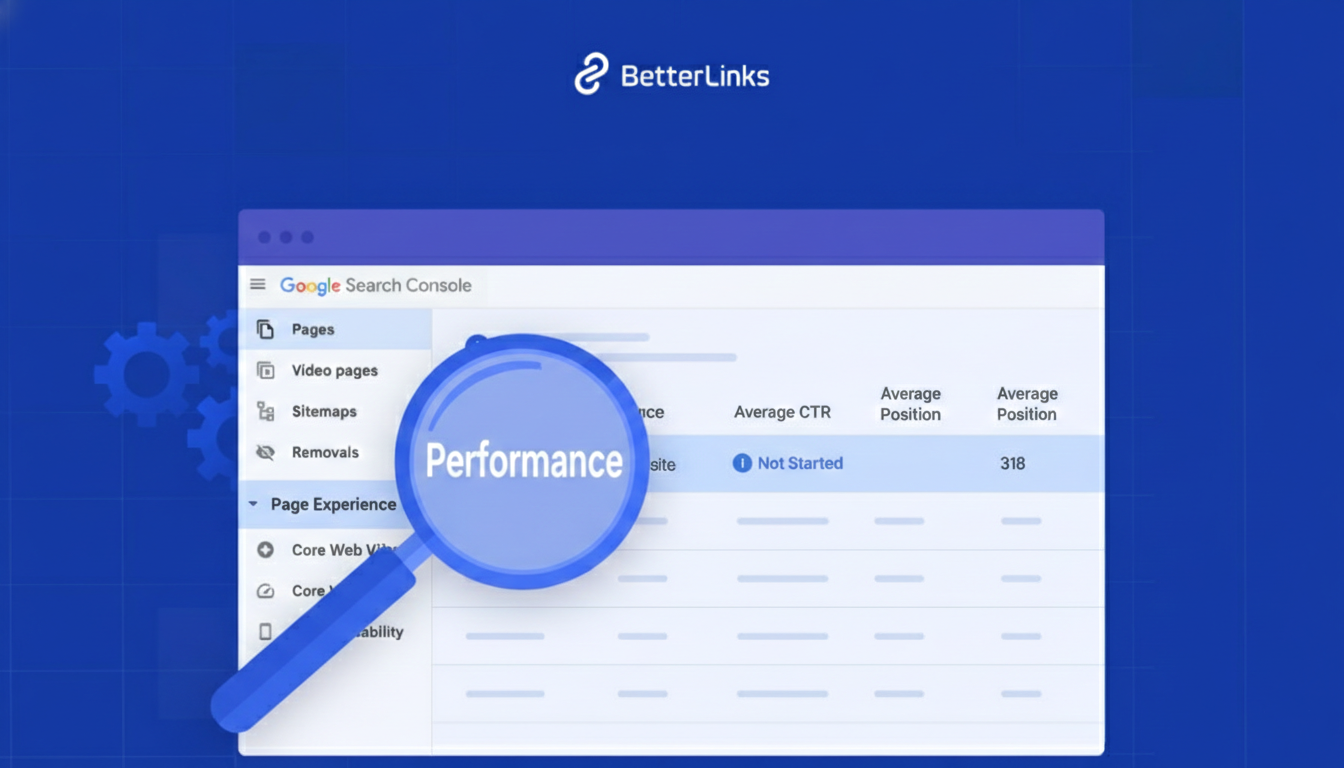
🟢 Google Search Console: Google Search Console gives direct insights into your content’s performance. It shows if your content is showing up in Featured Snippets or Google AI Overviews.
Go to Performance in GSC, filter by Search Appearance and check for Featured Snippets or People Also Ask results.
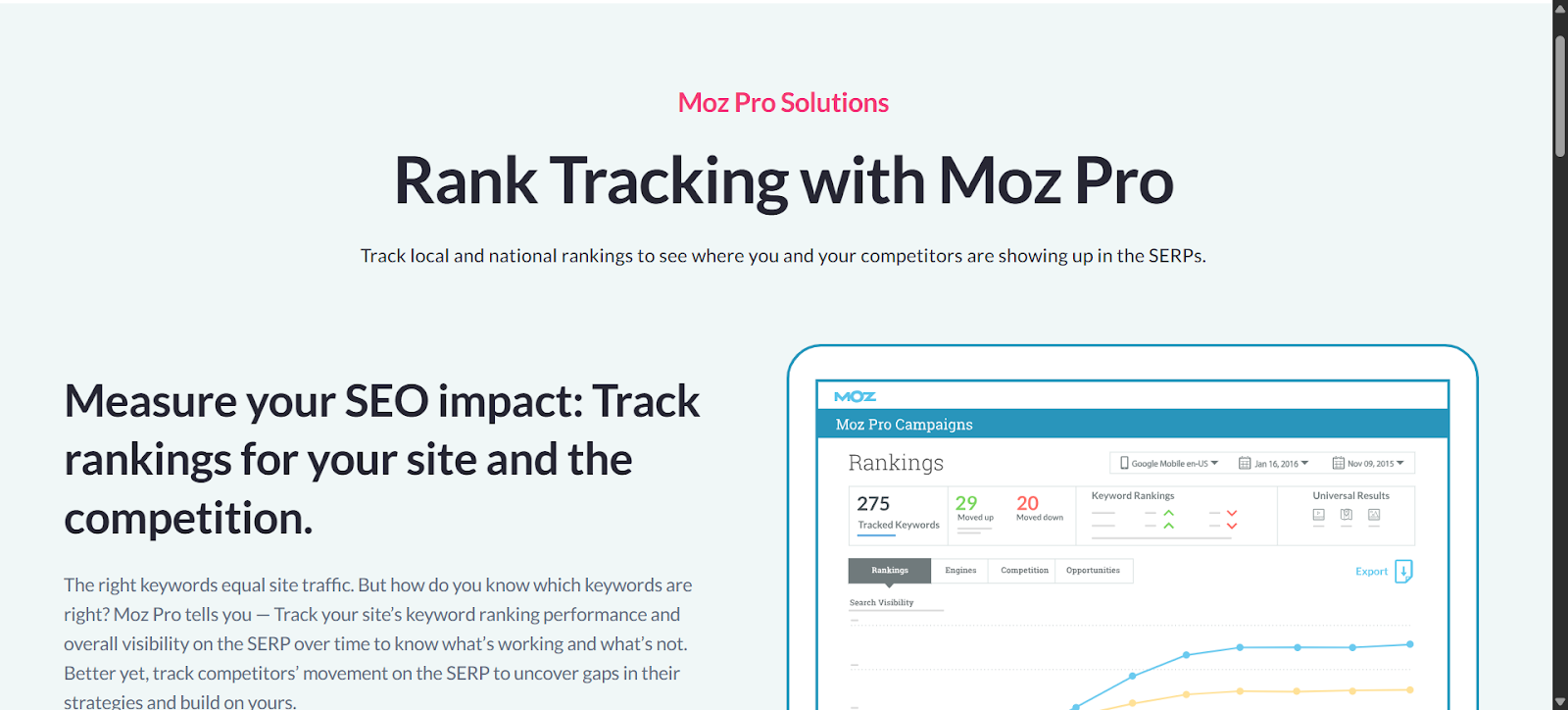
⏺️ Moz Pro: Moz Pro tracks your content’s performance in AI-powered search results. It helps you see if your pages are appearing in rich results like Featured Snippets.
Use the Rank Tracker tool to monitor if your content appears in AI-driven results.
When using these tools, look for these signs that your content is optimized for AEO:
- Featured Snippets: If your content is showing up in Featured Snippets, it’s a good sign that it is optimized for AEO.
- People Also Ask: If your content appears in the PAA section, it means it is answering common questions clearly.
- AI Overviews: If your content is mentioned in AI Overviews, it is being selected for AI-generated answers.
- Search Impressions and Clicks: High clicks from AI-generated answers mean your content is engaging users and being picked by AI tools.
Key Takeaways
Before closing, remember these points.
- AEO prioritizes direct answers and boosts visibility in AI-driven search.
- Clear, structured content with simple language enhances understanding.
- SEO and AEO complement each other for lasting online success.
Boost Your Visibility with AEO Optimization
AEO is no longer optional. Answer Engine Optimization is essential in modern search. Search behavior now favors direct answers over long result lists. Optimize your content with clear intent, structured data, and concise responses that AI engines can trust. Start small, test often and track results. The sooner you adapt, the faster your content earns visibility where answers matter most.
By focusing on clear questions, direct answers, structured data and trust, you can optimize content for answer engines effectively. Applying the suggested strategies helps improve visibility across AI platforms and prepares your content for the future of search.
Is this blog helpful? Join our Facebook community to stay updated with the latest blogs, product reviews and WordPress solutions. Subscribe to our blog for in-depth tutorials, tips and visit our social media platforms for the newest updates.
FAQs (Frequently Asked Questions) About Answer Engine Optimization (AEO)
You will find answers to common questions about AEO, helping you understand how to optimize your content for maximum visibility in AI-generated answers.
1. How Do I Implement Answer Engine Optimization (AEO)?
You implement AEO by answering real user questions clearly and early in your content. Place the direct answer in the first few sentences, use simple headings, lists, and add relevant schema markup. This structure helps AI tools quickly understand and extract your response.
2. How Is AEO Different from Traditional SEO?
AEO focuses on helping AI tools surface your answers directly, while SEO focuses on ranking pages to earn clicks. With AEO, your success depends on clarity, structure and credibility rather than traffic alone.
3. What Is the Difference Between AEO and Generative Engine Optimization?
AEO helps AI tools pull and cite your existing content as answers. Generative engine optimization focuses on shaping how AI models create new responses. With AEO, your goal is to become a trusted source AI systems reference when answering user questions.
4. What Is the Ideal Answer Length for Optimal AEO Performance?
Strong AEO results require answers between 40 and 60 words. Include the key information in the first one or two sentences, as AI tools and voice assistants prioritize this format when selecting and displaying answers.
5. Which Schema Markup Types Matter Most for AEO?
FAQ schema works best for direct questions and answers. The HowTo schema supports step-by-step guidance. Article schema helps AI understand context, authorship and freshness. Together, these schemas improve how clearly your content is interpreted and cited by AI tools.
6. How Often Should You Update Content for AEO?
Update AEO-focused content every three to six months. Refresh statistics, improve clarity, and adjust answers based on new questions users ask. Fresh content signals reliability and increases the chance your answers stay relevant in AI-generated responses.
7. Can AEO Work Alongside SEO?
Yes. SEO helps users find your pages through search results, while AEO helps AI tools surface your answers directly. When both work together, you improve visibility across traditional search and AI-driven platforms without relying on a single traffic source.
8. How Do I Prioritize Which Pages to Optimize for AEO First?
Start with pages that already target specific questions or get steady impressions. Focus on high-intent guides, FAQs and comparison pages. These pages are easier for AI to extract answers from and often show faster AEO visibility gains.