In Search Engine Optimization (SEO), keywords are the foundation of everything (visibility, traffic, conversions and more). However, for many beginners, the distinction between branded vs non-branded keywords feels like a “chicken or the egg” problem. Should you focus on the people who already recognize your brand? Or should you spend your energy reaching out to an entirely new audience?
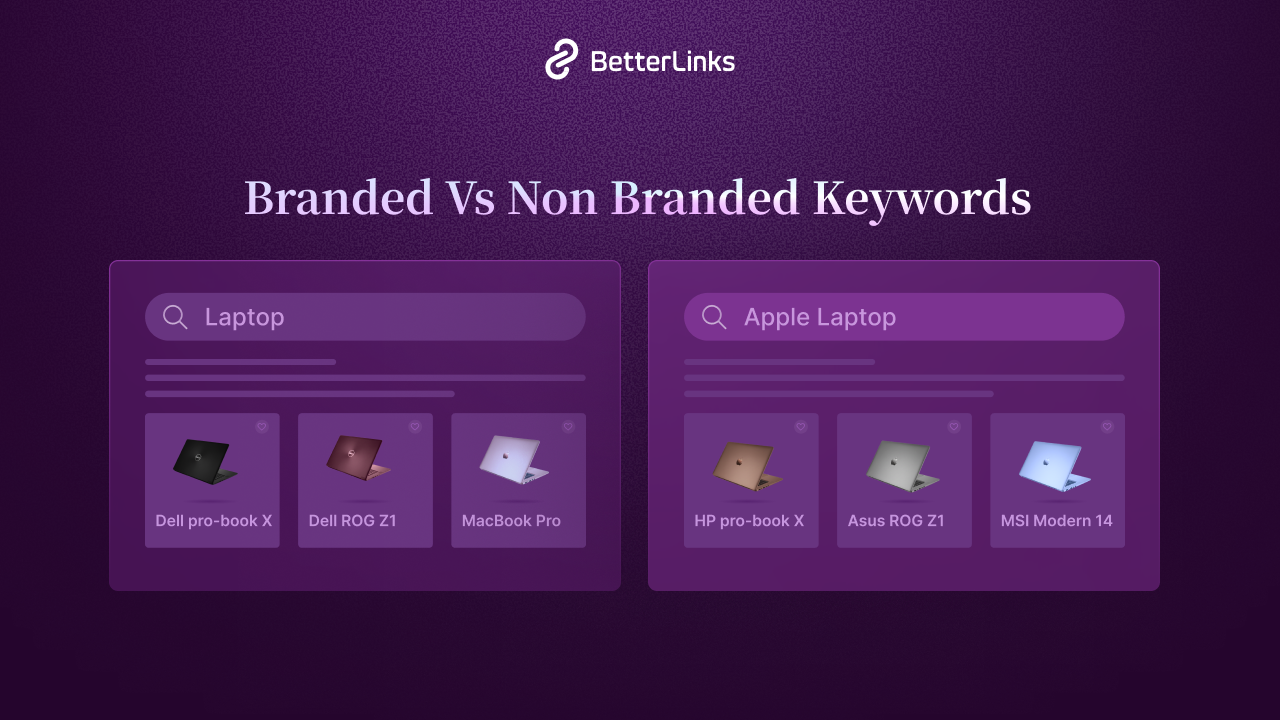
To build sustainable growth in 2026, you can not just pick one over another. Rather, you need to understand how they work together to fuel your marketing funnel.
Branded vs Non-Branded Keywords: Breaking It Down
So, what are branded and non-branded keywords? Before we talk strategy, we must be clear on what these keywords look like in the real world. Otherwise, there is a chance of mixing things up.
i. Branded Keywords
A branded keyword is any search query that includes your specific company name, a unique product name or even a variation of your brand (including misspellings).
- The Anatomy: [Brand Name] + [Intent]
- Examples: “Nike running shoes,” “Apple iPhone 13 support,” “Starbucks near me.”
- The Psychology: The user has Navigational or Transactional intent. They are not looking for “shoes”; they are looking for your shoes. They have already moved past the “discovery” phase and are likely ready to buy, compare prices or find your physical location.
ii. Non-Branded Keywords
Non-branded keywords (often called “generic” or “discovery” keywords) are terms related to your industry or the problems you solve, without any mention of a brand.
- The Anatomy: [Product/Service/Problem]
- Examples: “best running shoes for flat feet,” “how to fix a cracked screen,” “coffee shops with fast Wi-Fi.”
- The Psychology: The user has an Informational or Commercial Investigation intent. They have a problem, but have not decided which company is the right one to solve it. They are “open-minded” and browsing for the best value.
Branded vs Non-Branded Keywords: Which Drives More Value?
It is easy to think, “I’ll just focus on the keywords that sell,” but SEO is a long game. Here is how they (brand vs. non-branded keywords) compare across the metrics that matter.
| Metric | Branded Keywords | Non Branded Keywords |
| Search Volume | Lower (limited by brand awareness) | Higher (mass market reach) |
| Competition | Low (it is your name!) | High (competing with everyone) |
| Click-Through Rate (CTR) | Very High (often 30%–50%+) | Low (usually 1%–5%) |
| Conversion Rate | Highest (2x–3x higher than non-branded) | Lower (research phase) |
| Primary Goal | Retention & Closing the Sale | Discovery & Brand Awareness |
When to Prioritize Branded Keywords?
You might think, “If people already know my name, why bother optimizing for it?” This is a dangerous mistake. You should prioritize branded SEO when:
- Defensive Strategy: Competitors often bid on your brand name in Google Ads. If you do not have a strong organic presence (the free blue links), they can literally pay to appear above your own website when someone searches for you.
- Reputation Management: When people search your name, you want to control the narrative. This means ensuring your site, your LinkedIn, and your review pages are the first things they see, not a negative news article or a forum thread.
- Customer Retention: Your existing customers use branded keywords to find your login page, your support docs, or your new arrivals. If these are hard to find, you risk “churning” those customers to a smoother competitor.
When to Prioritize Non-Branded Keywords?
This is the “Growth Engine.” You cannot build a massive brand by only talking to people who already know you. Focus here when:
- You are a New Entity: If you are a startup, your branded search volume is likely zero. You must “borrow” traffic from the industry by answering generic questions.
- Market Expansion: If you want to move from being a “local shop” to a “national brand,” you need to show up for broad terms like “best organic pet food” rather than just “Rover’s Biscuits in Denver.”
- Building Trust (E-E-A-T): Google prioritizes Experience, Expertise, Authoritativeness, and Trust. By ranking for non-branded “How-to” guides, you prove to both Google and the user that you are an expert in your field.
How to Integrate Branded and Non-Branded Keywords (4 Advanced Tips)
In SEO, it is not a choice between branded and non-branded keywords; it is about how you use them together. To help you bridge the gap, we have rounded up four advanced tips to integrate your brand identity with high-intent search terms for a winning search strategy.
1. Balancing Branded And Non-Branded Keywords
To maximize your reach, your SEO campaigns should strike a balance between branded and non-branded keywords. This approach allows you to engage loyal customers who already know your name while simultaneously capturing new prospects searching for general solutions.
How to do this? You can use the Keyword Magic Tool of Semrush to build high-performing lists for both categories:

i. Identify Your Core Topics: Start by entering a broad, industry-related keyword into the search bar.
ii. Segment Your Lists: Create two distinct groups:
- Branded: Keywords including your company or product names (high conversion intent).
- Non-Branded: General terms related to your services or products (high growth potential).
iii. Analyze and Refine: Click “Search” to generate a comprehensive list of suggestions, then filter them based on search volume and competition.
Now, segment your keyword data to distinguish between branded intent (‘hp laptop’) and non-branded discovery (‘best laptops’) to optimize your SEO strategy.
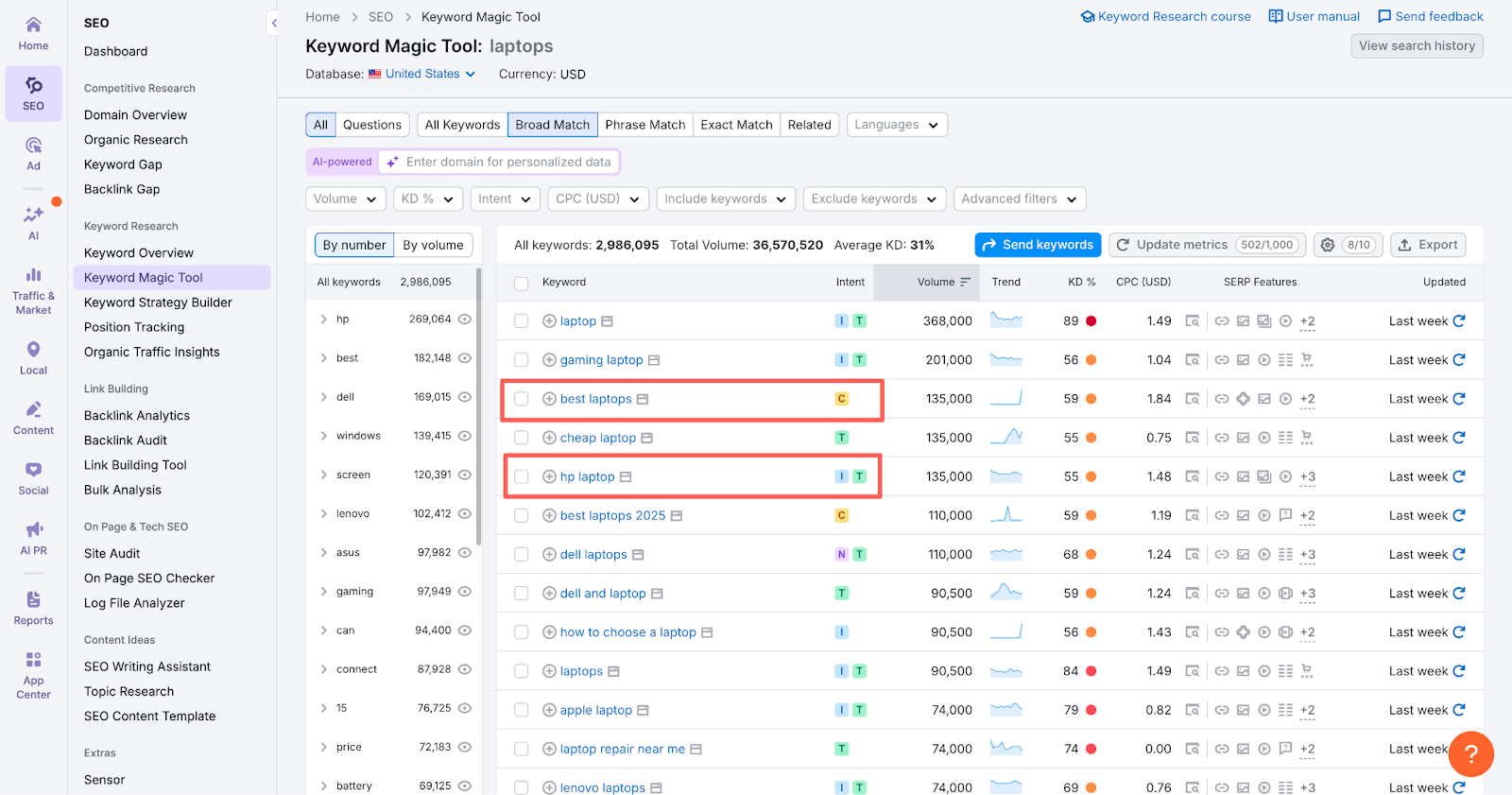
Take note of the ‘Intent’ column, which contains colored initials corresponding to the four search intents:
- N – Navigational
- I – Informational
- C – Commercial
- T – Transactional
Hover over the initials for reminders of their meanings.
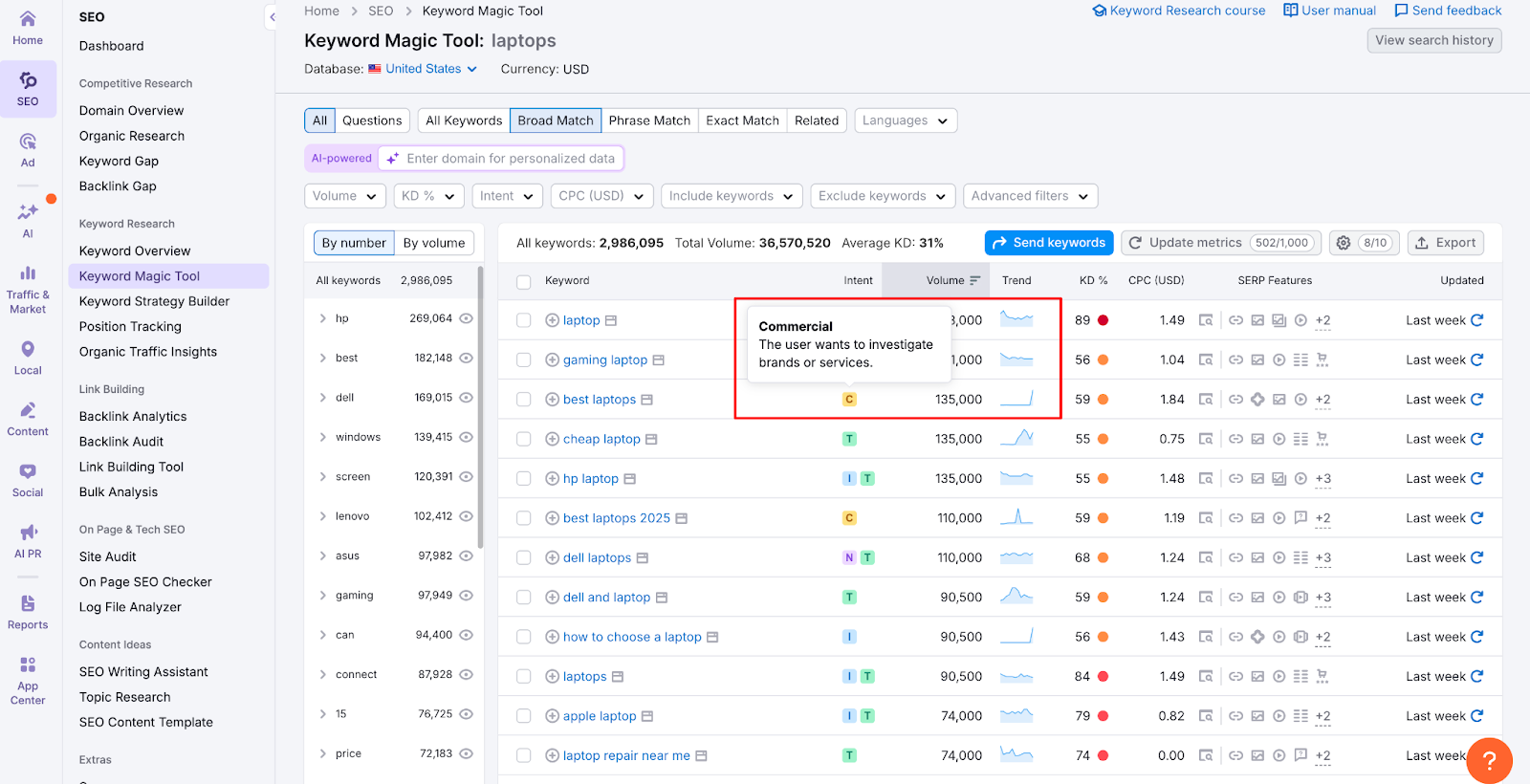
To collect branded keywords, use the ‘Include keywords’ field to include your brand name.
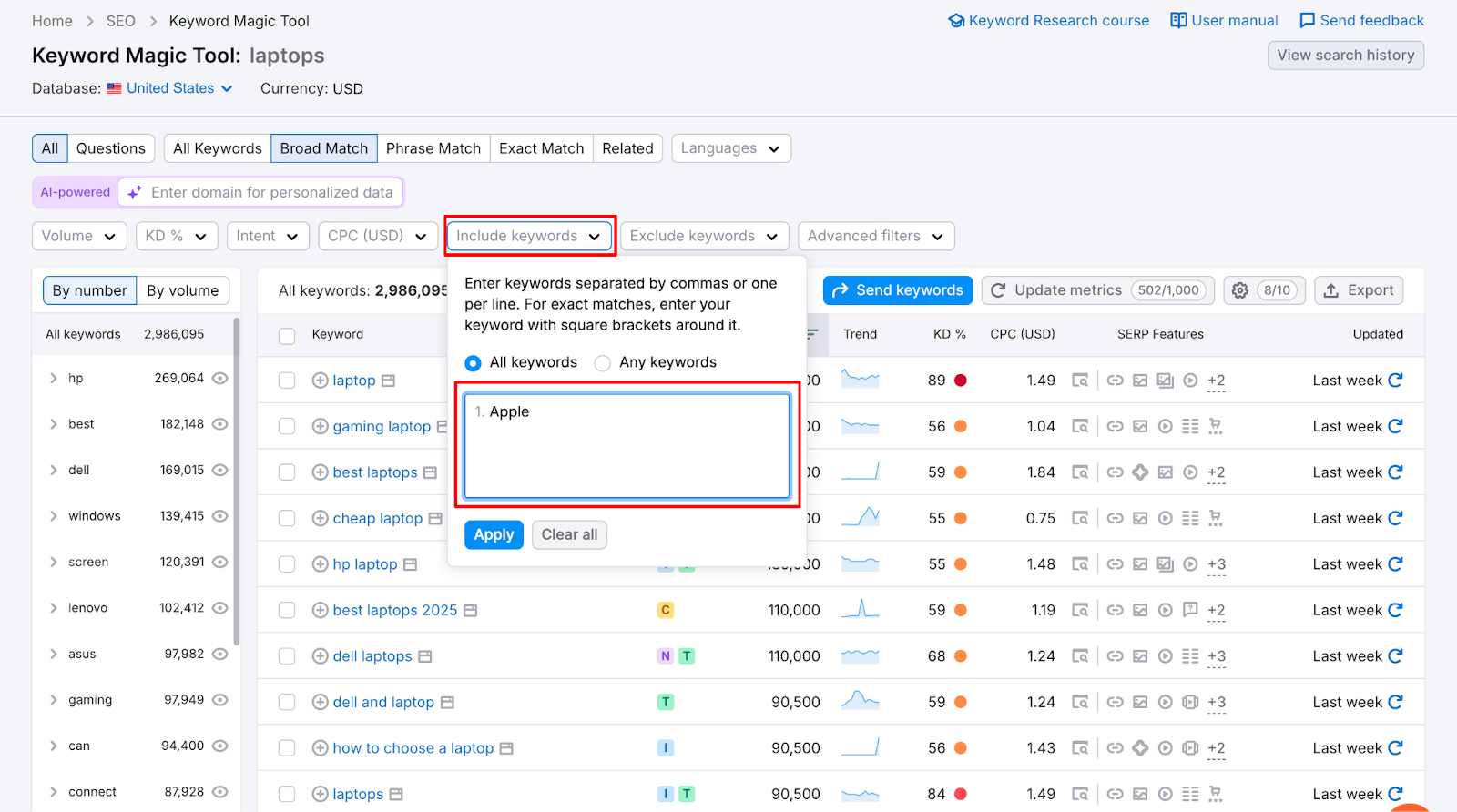
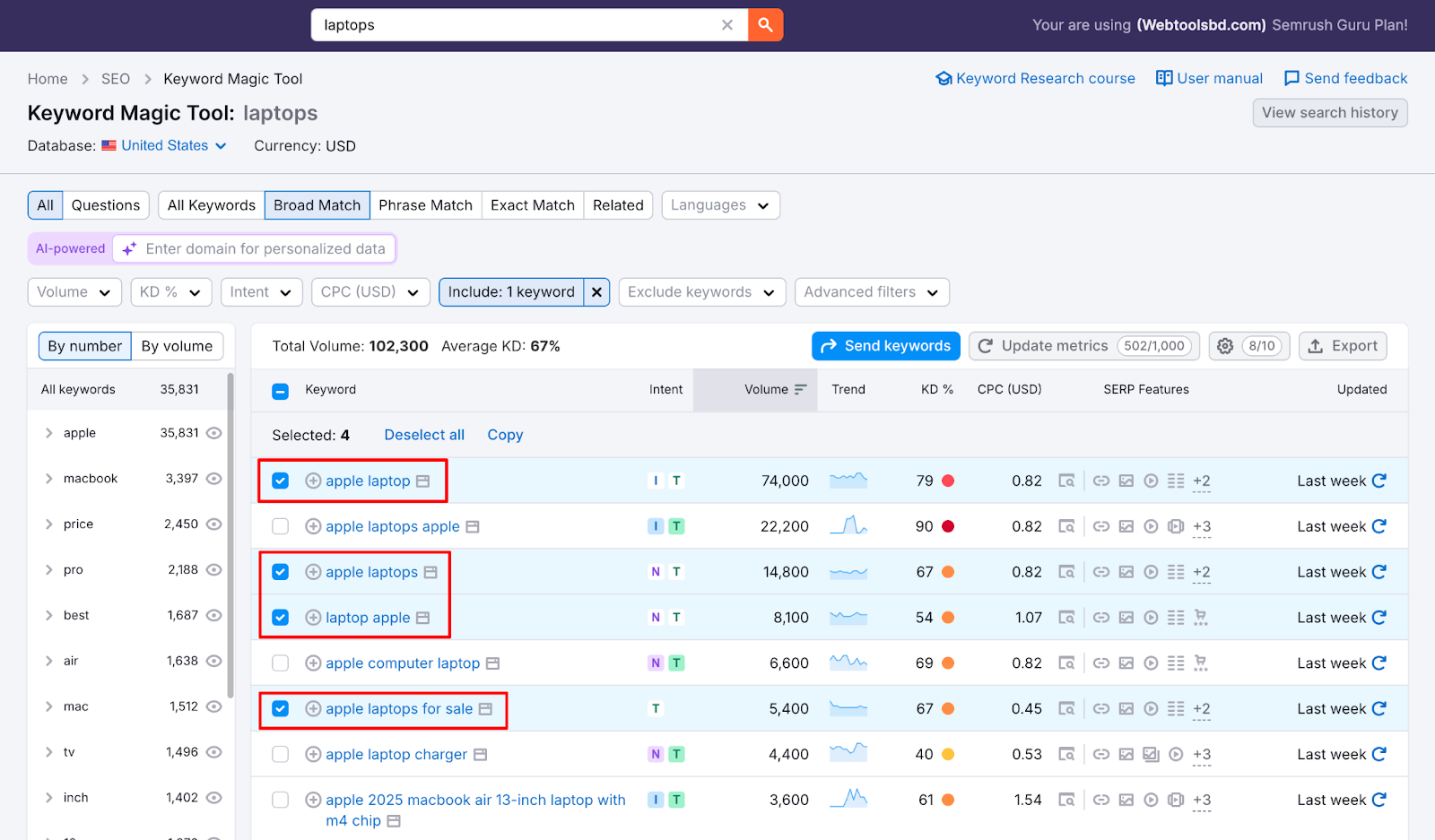
Then, check the boxes next to the keywords you want to target.
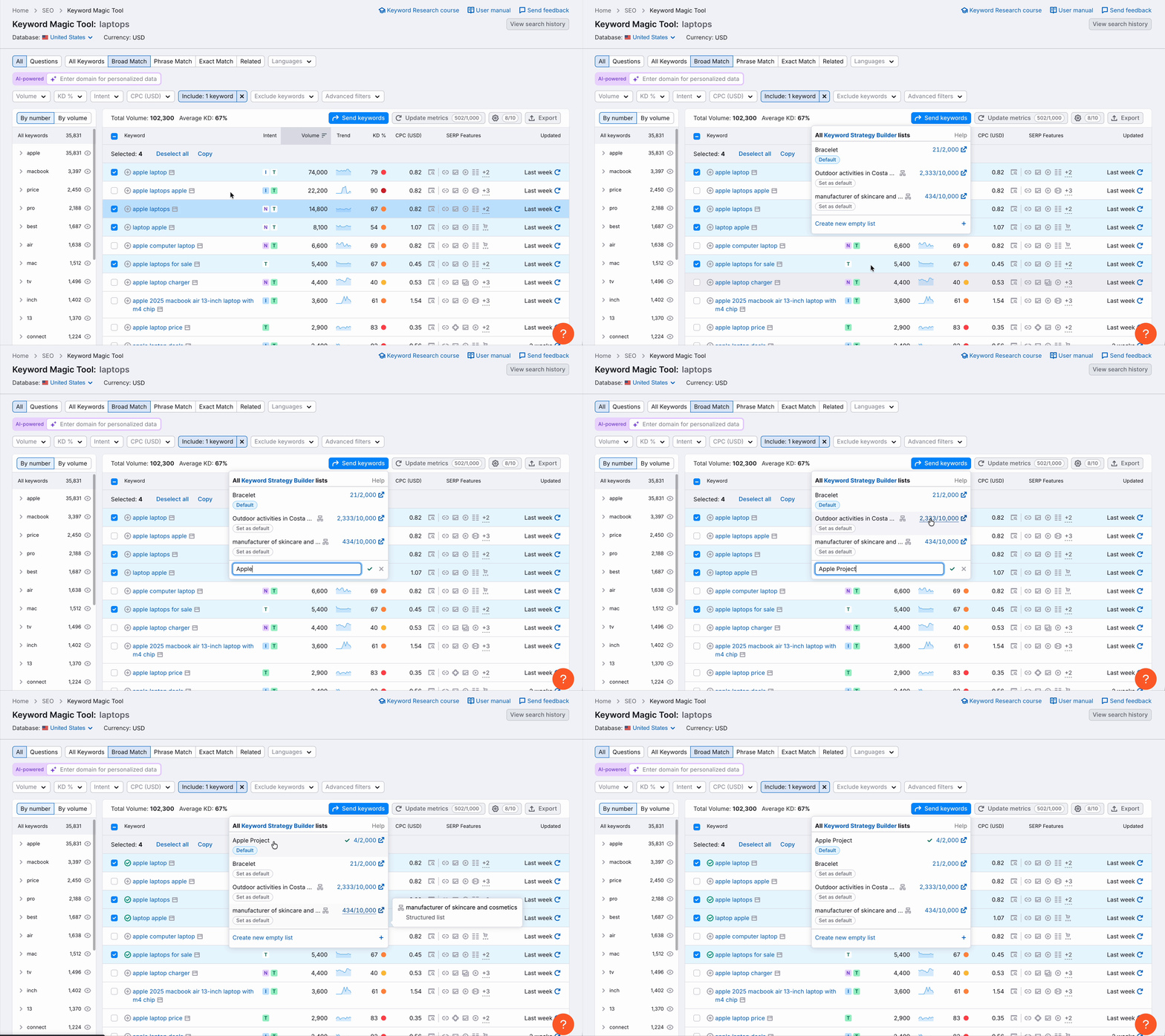
Click the “Send keywords” button. Create a new empty list, add the name for your list and click the check mark to save the list. You’ll then see your keyword list available when you click ‘Send keywords.‘
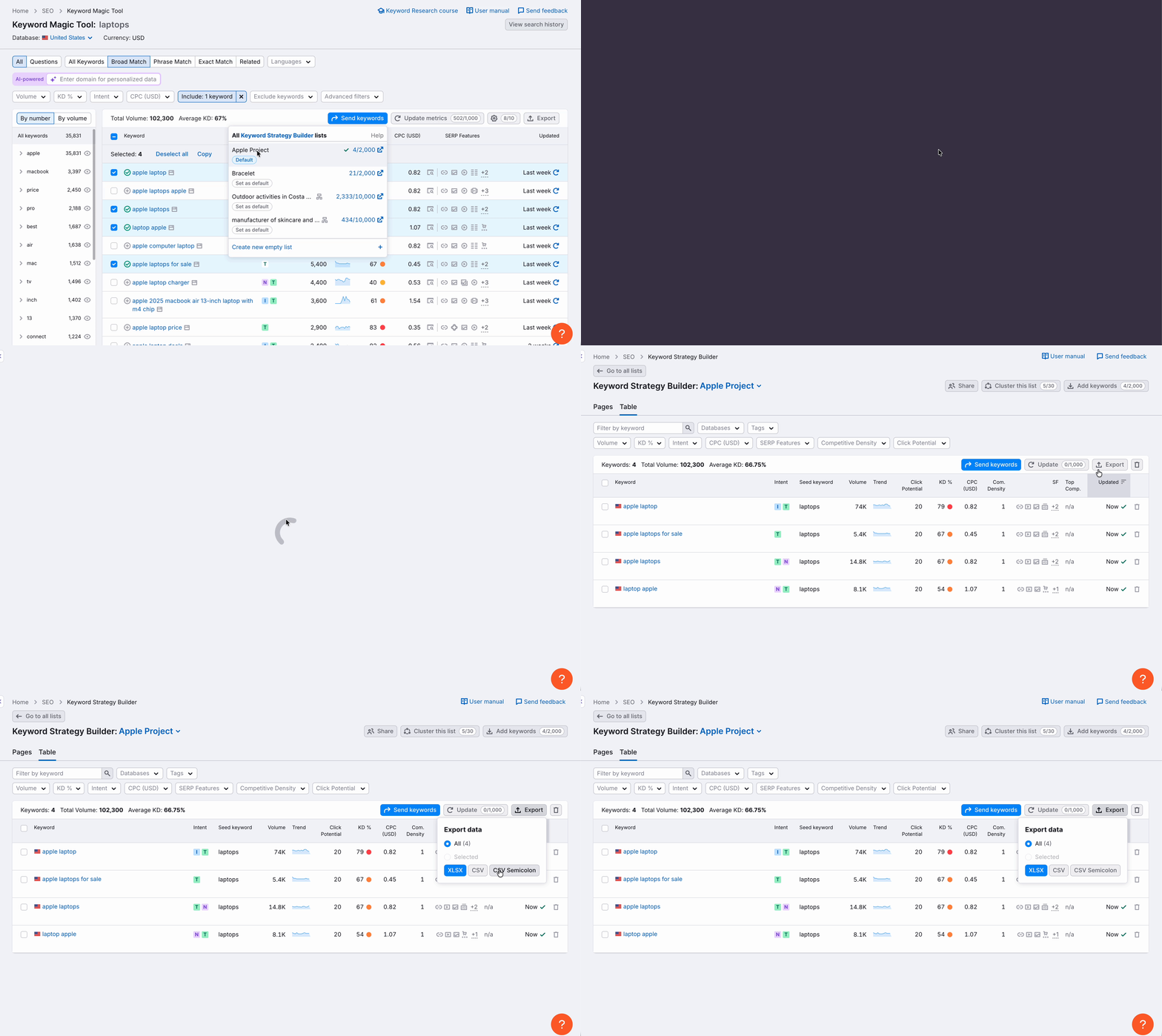
Export your selected keywords in whatever format you need (CSV, XLSX). Click the export icon. Select “Selected” and choose your preferred file format. Incorporate your keywords into your website’s content and SEO strategies to enhance visibility and attract targeted traffic.
2. Synchronizing Your Brand Identity
Consistent messaging across every channel is the key to a unified brand experience. By aligning your tone, style, and keywords across your website, ads, and social media, you reinforce your brand identity. This ensures that no matter where a customer finds you, they recognize your unique “voice.”
However, maintaining a uniform feel across high volumes of content can be challenging. Here is how to automate that process using the Semrush Content Toolkit:
- Define Your Brand Voice: Use the Brand Voice feature to analyze your existing content. Simply upload a sample, such as a homepage or a top-performing blog post and the tool will extract your specific tone and style to create a custom profile.
- Scale with AI: When using the AI Article Generator, select your saved brand voice profile. The tool will then guide the language and flow of every draft to match your established identity.
- Eliminate Disconnects: By applying these profiles, you ensure that every blog post feels like it was written by the same person, regardless of who is actually managing the tool.
3. Keeping Track of Your Rankings in 3 Steps
Do not let market shifts catch you off guard. Use Position Tracking to monitor your performance and stay ahead of the curve.
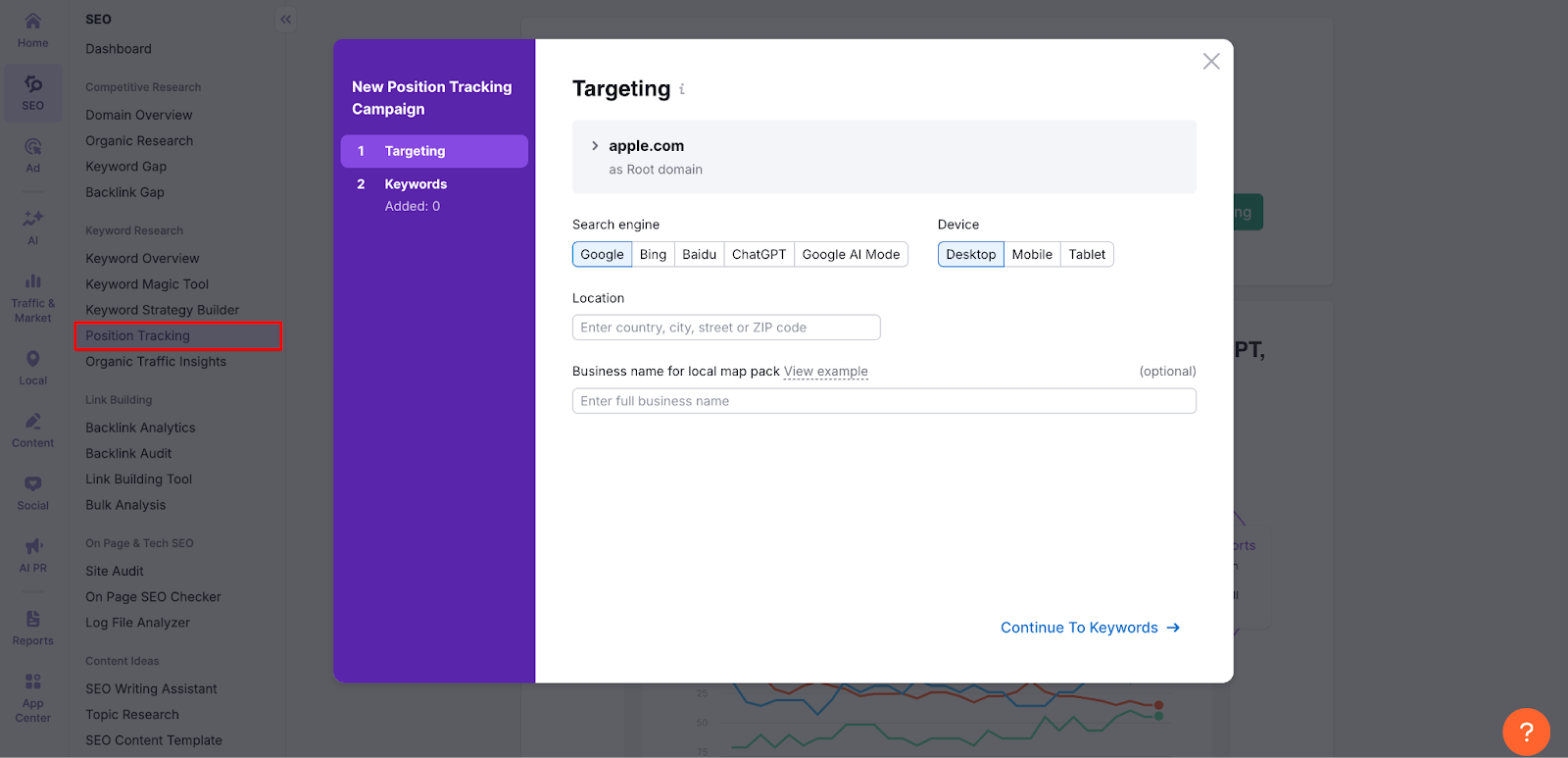
- Create a campaign by entering your domain, target keywords, and device type.
- View the Landscape tab for an instant visibility score and estimated traffic. Check the automated summary for a “TL;DR” of your recent wins and losses.
- Scroll to the performance table and click any keyword to see its history. Use the Landing Pages view to see exactly which content is winning the most traffic.
4. Maximizing Reach with Content Cross-Promotion
Think of content cross-promotion as a digital megaphone: it amplifies your message across different platforms to ensure your hard work gets the visibility it deserves. By strategically sharing your content, you drive traffic from multiple sources and introduce your brand to new audiences. Here are a few ways to promote your content effectively:
- Social Media Integration: Do not just publish a blog post and leave it on your site. Share key takeaways or snippets on your social channels to spark engagement and drive clicks back to your website.
- Newsletter Deep-Links: Use your email list by embedding links to relevant articles or service pages within your newsletters. This provides extra value to your subscribers while boosting site traffic.
- Community Engagement: Participate in industry forums and online discussions (like Reddit or Quora). When relevant, reference your content as a helpful resource to establish authority and attract qualified leads.
Understanding the difference between branded and non-branded keywords is not about picking a side; it is about building a balanced, resilient SEO strategy. Non-branded keywords help you capture attention, earn trust, and compete in broader markets, while branded keywords protect your visibility, reinforce credibility, and drive higher conversions.
Maximizing ROI Through Balanced Optimization
The brands that win in 2026 will be those that use non-branded keywords to create demand and branded keywords to convert that demand into long-term growth. By aligning both approaches, you position your business to attract new audiences while maximizing the value of customers who already know and trust you.
We hope you found this blog helpful and feel free to share your thoughts with us by commenting below. If you want to read more exciting blogs, subscribe to our blog page, and join our Facebook community to get along with all WordPress experts.