The world of search is changing very fast. You might notice that you often find answers on Google without ever leaving the search page. This is what we call a zero click search. It happens when a search engine gives you the information you need right there on the results page. You do not have to click on any website to get your answer. It is an opportunity to use Smart Linking to reach your audience in new ways.
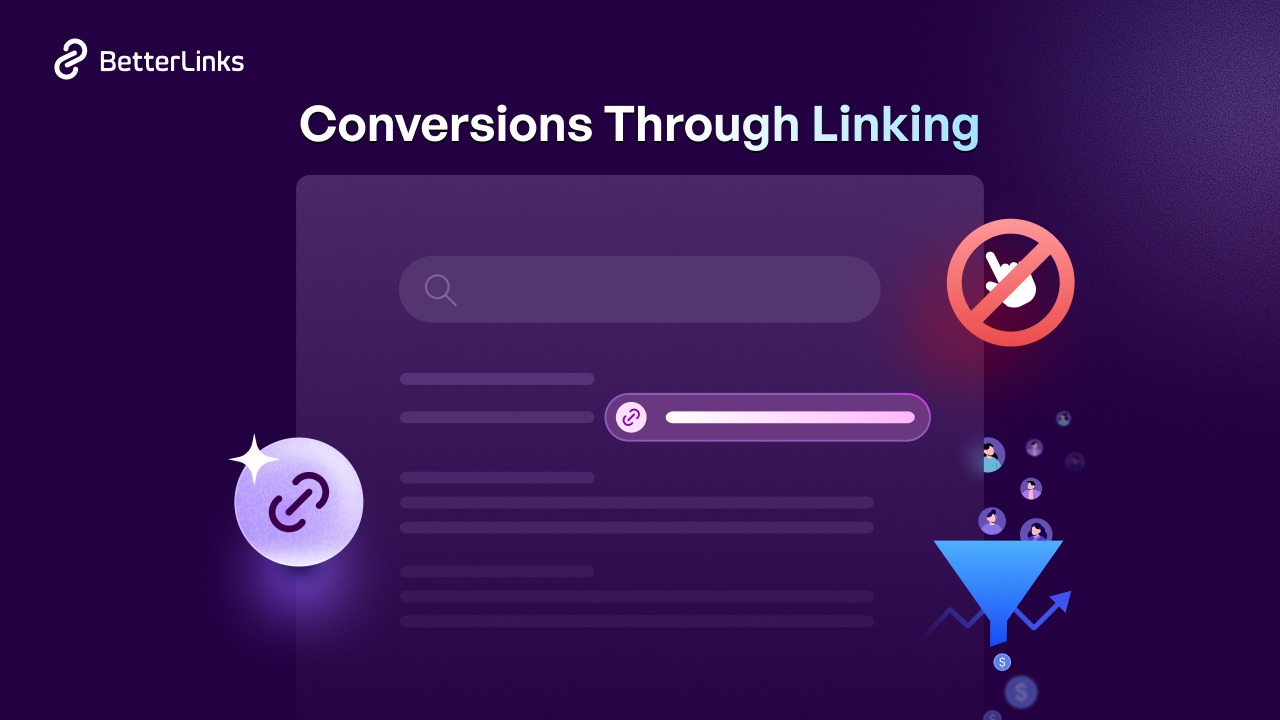
In this guide, we will look at how you can adapt to these organic search trends. We will talk about how to keep your search engine visibility high. You will learn how to use link optimization to turn clickless search results into real results for your business.
Quick Summary (TL;DR)
Too Long; Didn’t Read? Here’s what you need to know:
Zero Click Search: Zero-click search happens when people find the answer they need right on the search results page without clicking a link. This is becoming very common because of features like AI Overviews and featured snippets that summarize information for users.
You should focus on these strategies:
- Use internal linking to clarify your site structure for search engines.
- Apply smart linking to send users to the right page by location or device.
- Add schema and clean formatting to improve AI visibility.
- Track brand mentions and AI visibility beyond clicks.
The table below breaks down how smart linking supports zero-click visibility — from content structure to conversion flow. Use it as a checklist when optimizing existing pages.
| Area | Tips & Tactics | Why It Works | Practical Action |
| Featured Snippet Pages | Do not fully answer the topic on one page | Partial answers encourage deeper reading | Link to detailed guides from snippet-winning pages |
| Internal Linking Depth | Limit links to 3 to 5 strong internal paths per page | Too many links reduce clarity for users and bots | Prioritize links to high-intent and related pages |
| Anchor Text Usage | Use natural phrases instead of exact match keywords | Over optimized anchors reduce trust | Match anchor text with user intent and context |
| Smart Linking Logic | Route users based on device intent not just location | Mobile and desktop users behave differently | Send mobile users to faster simpler pages |
| SERP Behavior Analysis | Track queries with high impressions but low CTR | These are strong zero click opportunities | Add smart internal links to expand value |
| Content Formatting | Use short answer blocks before long content | AI prefers clear structured answers | Add 2 to 3 sentence summaries before sections |
| Conversion Linking | Delay product links until trust is built | Early selling lowers engagement | Link to education first then conversion pages |
| Link Placement | Place internal links above the fold when relevant | Early links get higher interaction | Add one strong link in the first 150 words |
| Page Intent Mapping | Assign one clear intent per page | Mixed intent confuses search engines | Separate info pages from conversion pages |
| Authority Flow | Link from high visibility pages to money pages | Snippet pages often have strong authority | Pass value using contextual internal links |
| AI Citation Signals | Add definitions and clean lists | AI prefers easy to quote content | Use simple language and clear formatting |
| Measurement Strategy | Track scroll depth and page paths | Clicks alone hide real performance | Measure engagement flow not just visits |
What Is Zero Click Search?
A Zero Click Search occurs when the search engine provides the answer directly on the results page. This means the user does not need to click through to any specific website. You see this often when you look for the weather, sports scores or the height of a celebrity. Google uses different features to show this information. These include featured snippets, knowledge panels and local packs. Now, we also have AI Overviews that summarize information from many sources at once.
These features are becoming much more common. In 2024, nearly 60% of searches in the US and Europe ended without a single click. This number is likely to grow as AI becomes a bigger part of how we search. When Google shows your content in an AI answer, your impressions might go up but your clicks might go down. For SaaS and content-driven businesses, this often means fewer visits but higher-intent users — making internal journeys and smart routing more critical than raw traffic volume.
This happens because users get what they need right away. It is a shift from ‘search and click’ to ‘search and get answer’.
Here are the main types of features that lead to these results:
- AI Overviews uses artificial intelligence to write a summary of a topic using various websites as sources.
- Featured Snippets show a block of text at the top of the page that answers a question very clearly.
- Knowledge Panels appear on the right side of the screen and give facts about people, places or brands.
- People Also Ask boxes show a list of related questions that users can click to see short answers.
- Local Packs show a map and a list of three local businesses related to your search.
Each of these features aims to make the user experience better. While it might seem like you are losing out, being featured in these spots actually builds massive brand awareness. If your brand is the one giving the answer, people start to see you as an expert. This is a key part of Zero Click SEO in 2026. You want to be the source that the search engine trusts the most.
How Organic Search Is Evolving in the Age of AI & Zero-Click Results?
The way people use the internet is shifting toward clickless search results. Consumers want information as fast as possible without extra steps. This trend is not just happening on Google. People are also using social media sites like TikTok and X for news. Many are turning to AI tools like ChatGPT or Perplexity to find answers directly. Even YouTube and Amazon are acting like search engines for many users.
This means your search engine visibility must extend beyond just the first page of Google. You need a strategy that covers multiple platforms. This is often called “Search Everywhere Optimization”. It ensures that your brand shows up wherever your audience is looking. If they are asking a voice assistant a question, you want your content to be the answer. If they are browsing an AI chat, you want your brand cited there, too.
The reasons for this growth include:
- Mobile users want quick answers on small screens without loading many pages.
- AI can now summarize complex topics into simple sentences.
- Search engines want to keep users on their own pages for longer.
- Voice search relies on direct answers that can be read aloud by assistants.
Even though clicks are down, the total number of searches is going up. This means more people are seeing your brand name than ever before. You are building a ‘billboard’ on the search results page. This visibility helps when the user is finally ready to make a purchase. They will remember the brand that gave them the best answers for free.
Why Is Smart Linking the Key to Success?
A smartlink is a special type of link that routes traffic intelligently. Instead of just being a static URL, it can detect things like a user’s location, device or browser. This technology ensures that every click you make is used in the best way possible. It reduces wasted traffic and helps you increase conversions.
When you use smart linking, you are making sure the user lands on the most relevant page. For example, if someone clicks your link on an iPhone, they could go to the App Store. If they are on a desktop in another country, they could go to a specific landing page for that region. This creates a frictionless experience for the consumer. Studies show that personalizing these experiences can lead to huge increases in conversion rates.
Benefits of using this smart linking technology include:
- It eliminates the need for many different links for different audiences.
- It automatically sends users to the correct offer based on their data signals.
- It helps you monetize every single click, so none are lost.
- It can increase your return on investment by 25% or more.
While smart links ensure that every external click lands on the most relevant experience, internal linking builds authority inside your site. Together, they turn visibility into action.
How to Develop A Strong Internal Linking Strategy?
Your internal linking strategy is like a roadmap for your website. It tells both users and search engines how your pages are related. In the age of zero click search, this is more important than ever. Search engine crawlers use these links to find new content and pass authority between pages. If you want to rank in AI Overviews or snippets, you need to show that your site is an authority.
Topic clusters are a great way to build this authority. You create a main ‘pillar’ page that covers a broad topic. Then, you write several smaller pages that go into detail on specific parts of that topic. You link all these pages together. This structure signals to Google that you have deep knowledge of the subject. It helps you gain search engine visibility for many related keywords at once.
Consider these best practices for your links:
- Link from your high-authority pages to newer ones to give them a boost.
- Use descriptive anchor text so users and search engines know what the next page is about.
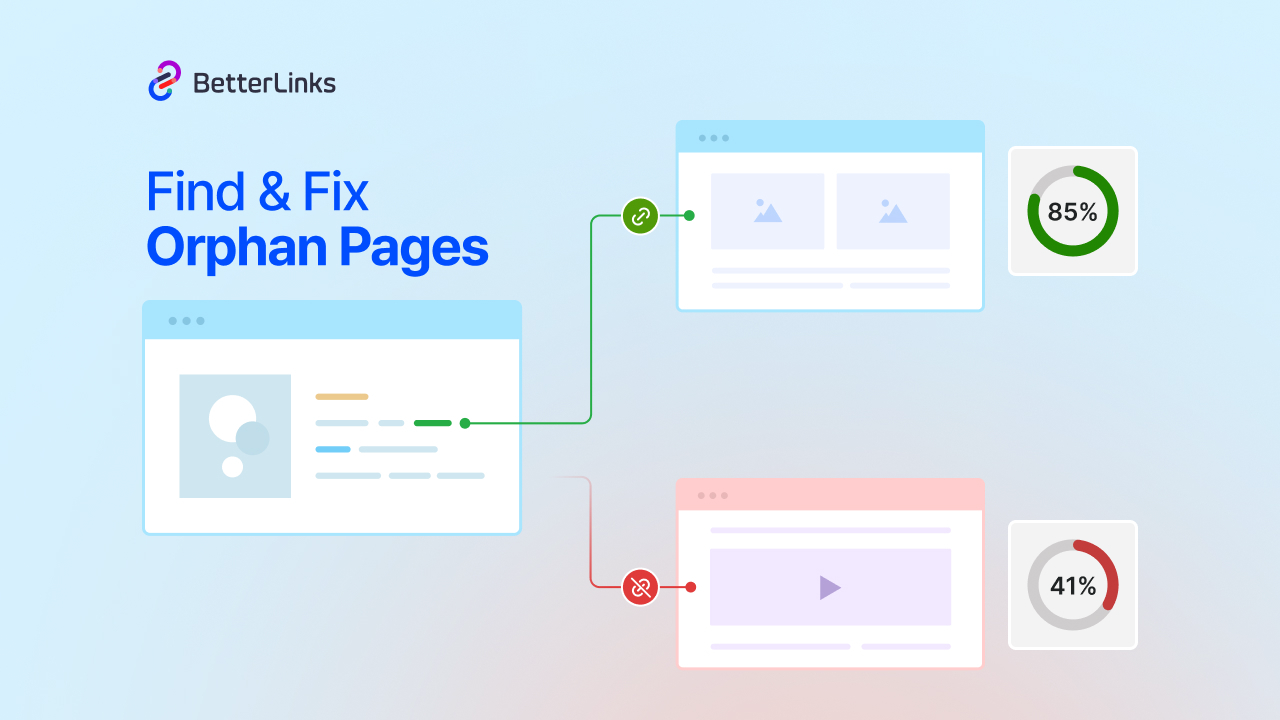
- Avoid having ‘orphan pages’ that have no links pointing to them.
- Keep the number of links on a page balanced so you do not overwhelm the reader.
When you organize your site well, users stay longer. They can easily jump between related topics and discover new info. This improves the user experience and builds trust in your brand. A site that is easy to navigate will always perform better in search results. It also helps search engines index your pages more efficiently.
How Link Optimization Can Increase Website Traffic?
Link optimization is the process of making your links as effective as possible. This involves choosing the right words for your links and placing them where they matter most. You want your links to feel natural and helpful to the reader. If they look like spam, users will not click them. Good links help guide people toward your most important pages, like your product or service pages.
One part of optimization is fixing broken links. A broken link is a dead end for a user and a bad signal for search engines. You should audit your site regularly to find and fix these issues. Using tools like Google Search Console can help you see which links are working and which are not. Keeping your site healthy shows that you care about the user experience.
Try these steps to optimize your links:
- Use keywords in your anchor text but do not overdo it.
- Place links in the main body of your content where people are already reading.
- Use breadcrumbs to show users where they are in your site’s hierarchy.
- Add schema markup to your links to help search engines understand their purpose.
When your links are optimized, you will see a rise in SEO traffic. Search engines will find it easier to crawl your site and understand your content. Users will find it easier to browse and find what they want. This leads to longer visit times and a lower bounce rate. All of these factors help you rank higher on the first page of search results.
How to Achieve Higher Website Conversions?
You want your visitors to take action, whether that is signing up for a newsletter or buying a product. Smart linking plays a huge role in this. By guiding users through a logical journey, you make it easy for them to convert. You can link from a helpful blog post directly to a product page that solves the user’s problem.
Strategic placement of links can nudge visitors in the right direction. You should identify your ‘high-stakes’ pages that drive the most revenue. Then, make sure these pages have plenty of internal links pointing to them. This increases their authority and makes them more visible to both users and search engines. The fewer obstacles a user faces, the more likely they are to finish a purchase.
Follow these tips to improve your conversion rates:
- Connect your “how-to” articles to the specific products mentioned in the steps.
- Use clear calls to action near your links so users know what to do next.
- Monitor which links get the most clicks and use that data to improve other pages.
- Ensure your landing pages are fast and easy to use on all devices.
By focusing on the user’s needs, you build a loyal audience. People appreciate it when a website makes their life easier.
Advanced Zero Click SEO Strategies for 2026
Traditional SEO focuses on clicks, but Answer Engine Optimization (AEO) focuses on being the source material for AI. Your content needs to be very easy for an AI to read and summarize. This requires a different way of writing and formatting your pages.
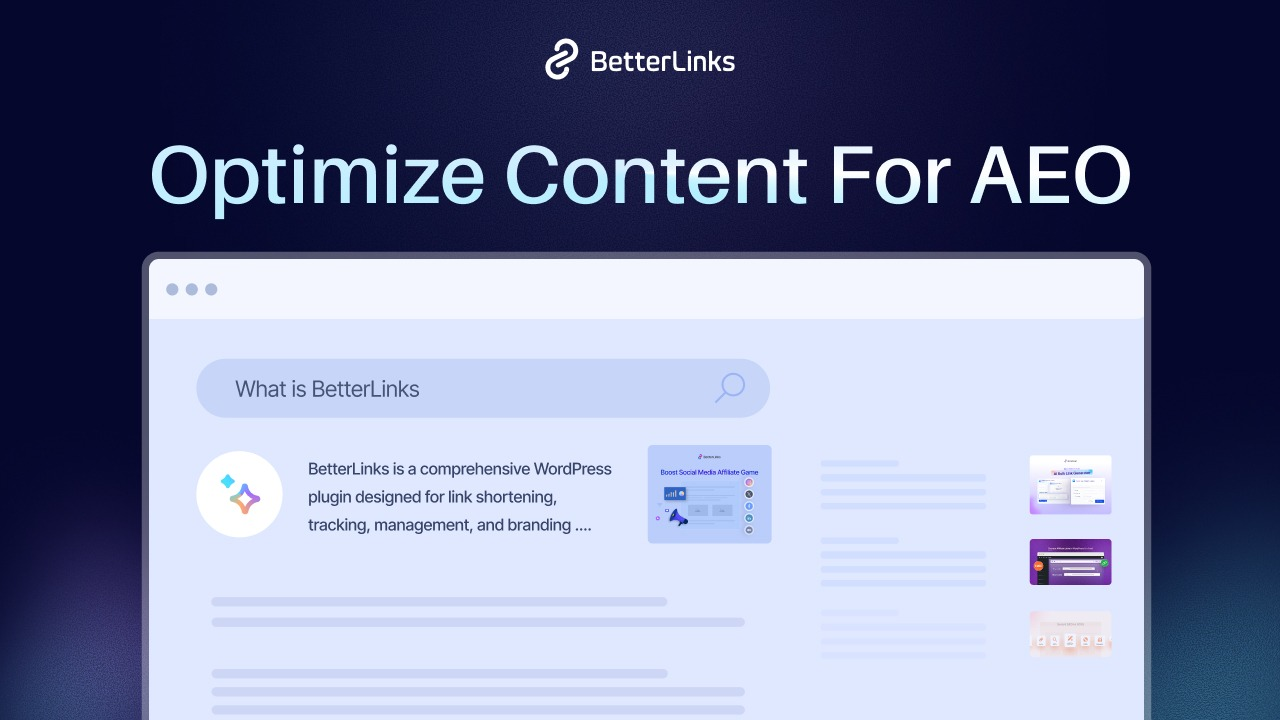
One of the best things you can do is implement schema markup. This is code that tells search engines exactly what is on your page. For example, you can use FAQ schema to highlight questions and answers. You can use the HowTo schema for step-by-step guides. This increases the chance of your content appearing in featured snippets or AI Overviews. It gives your brand a ‘position zero’ spot on the results page.
On WordPress, ThinkRank makes this part easy. It adds FAQ and HowTo markup through its FAQ and HowTo blocks and publishes an llms.txt file, so AI Overviews and assistants can find and quote your best answers.
Use these tactics to boost your AI visibility:
- Start your paragraphs with a direct answer to a common question.
- Use clear headings that match exactly what people are searching for.
- Break down complex processes into simple numbered or bulleted lists.
- Build your E-E-A-T by showing your expertise and trust markers.
According to the official Google Search Central documentation, using structured data is one of the best ways to help Google understand your site. You should also look for ‘unanswered questions’ in your niche. These are topics where the current search results are weak. If you can provide a better, clearer answer, search engines will likely feature your brand. This is a great way to steal visibility from your competitors.
How to Measure Success in the Clickless Search World?
Old metrics like click-through rates do not tell the whole story anymore. If you only look at clicks, you might think your SEO is failing when it is actually doing great. You need new ways to measure your success in the zero click search era. One important metric is your AI Visibility Score. This tracks how often your brand is cited in AI-generated answers.
You should also look at your SERP feature share. This shows what percentage of snippets or local packs you own for your target keywords. Even if people do not click, seeing your brand name at the top of the page builds authority. Another key metric is Brand Sentiment. You want to make sure that when AI talks about you, it is in a positive way.
Keep an eye on these indicators of health:
- Track how many of your pages are used as sources for AI Overviews.
- Monitor your rankings for ‘People Also Ask’ questions.
- Use engagement metrics like “time on page” for the users who do click through.
- Observe if your direct traffic increases as more people become aware of your brand.
By tracking these details, you can show the real value of your SEO efforts. You might have fewer clicks but the clicks you do get are often higher quality. These users have already seen your summary and want to learn more. They are closer to making a decision. This means your conversion rates might actually go up even if traffic volume goes down.
Final Thoughts on Navigating The Search Revolution
Your focus should be on providing the best possible value to the user, whether they click or not. When you become the most trusted source of information, your brand will naturally grow. This builds long-term authority that no algorithm update can take away.
Do not forget to audit your site regularly and look for new ways to improve your search engine visibility. Use plugins like BetterLinks to manage your intelligent routing and track your success. Stay flexible and be ready to adapt to new organic search trends as they appear. The brands that win in 2026 will be the ones that conversationally provide immediate value.
The future of search is about being helpful and easy to find. If you put the user first, you will always find a way to succeed. Start optimizing your links today and watch your brand reach new heights. Remember that, providing clear answers and a smooth journey is the best way to win in the long run.
Is this blog helpful? Join our Facebook community to stay updated with the latest blogs, product reviews and WordPress solutions. Subscribe to our blog for in-depth tutorials, tips and visit our social media platforms for the newest updates.